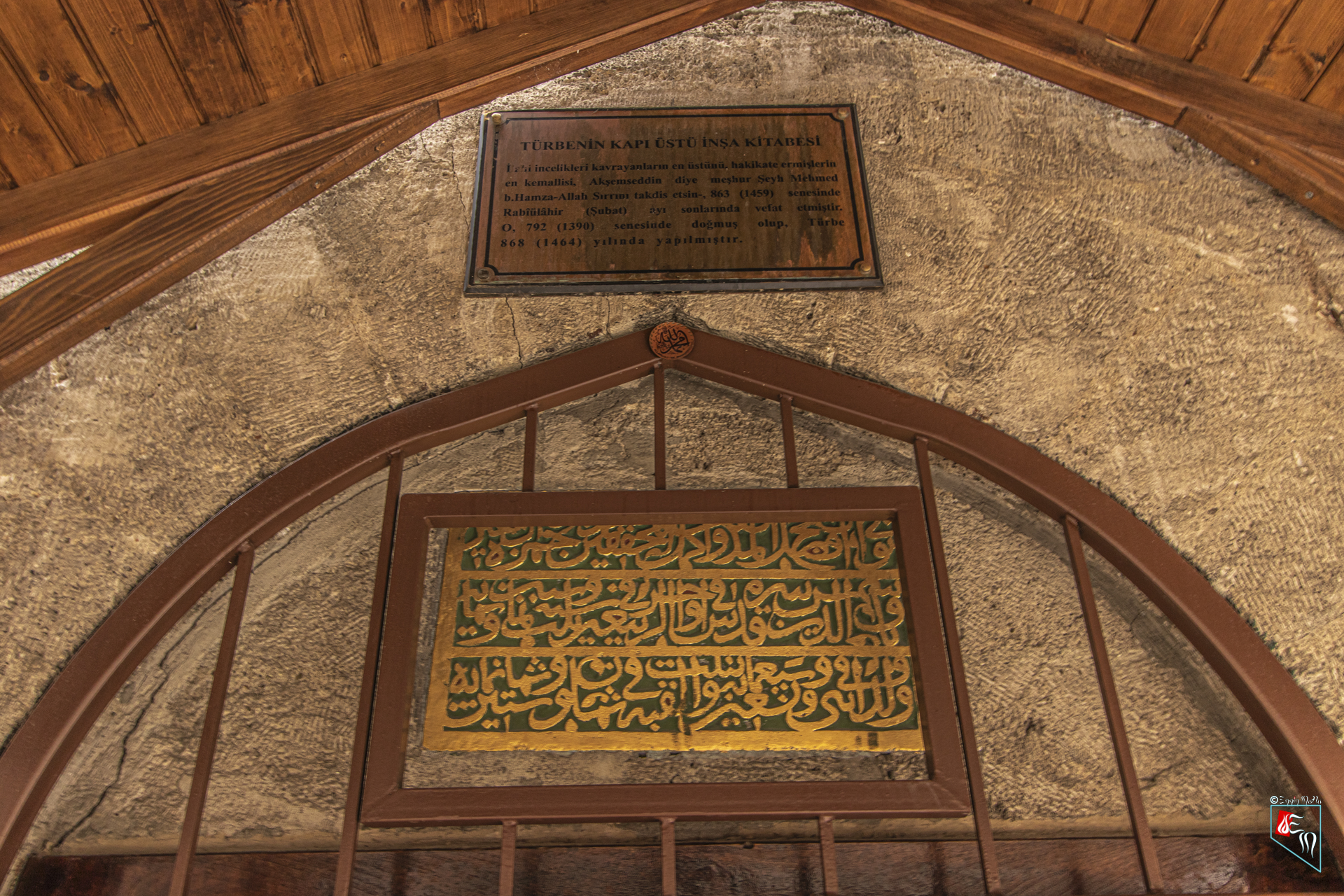
Asıl adı Şemseddin Muhammed b. Hamza’dır. Ancak Akşemseddin veya kısaca Akşeyh adıyla şöhret bulmuştur. 792 (1390) yılında Şam’da doğdu. ʿAvârifü’l-maʿârif sahibi Şeyh Şehâbeddin Sühreverdî’nin torunlarından Şeyh Hamza’nın oğludur. Baba tarafından nesebi Hz. Ebû Bekir’e kadar uzanmaktadır.
Kur’an’ı ezberleyip kuvvetli bir dinî tahsil gördükten sonra Osmancık Medresesi’ne müderris oldu. Yine bu arada iyi bir tıp tahsili yaptığı da anlaşılmaktadır. Akşemseddin, şeyhi Hacı Bayram’ın II. Murad’la münasebetlerinde hemen daima yanında olduğundan oğlu II. Mehmed ile de tanışmış ve tahta çıktıktan sonra da onunla görüşmeye devam etmişti. Tarihi kesin olarak bilinmemekle beraber İstanbul’un fethinden önce iki defa Fâtih’in yanına Edirne’ye giden Akşemseddin, ilkinde II. Murad’ın kazaskeri Çandarlıoğlu Süleyman Çelebi’yi, öbür defasında da Fâtih’in kızlarından birini tedavi ederek iyileştirmiş, Fâtih’in kızı da kendisine Beypazarı’ndaki pirinç mezralarını vermişti.
Fetihten sonra Ayasofya’da kılınan ilk cuma namazında hutbeyi Akşemseddin okuduğu gibi, İslâm ordularının daha önceki kuşatmalarından birinde şehid düşmüş olan sahâbeden Ebû Eyyûb el Ensârî’nin kabrini de Fâtih’in isteği üzerine yine o keşfetti. Fâtih tarafından kiliseden çevrildikten sonra Fâtih medreseleri yapılıncaya kadar önce medrese olarak kullanılan Zeyrek Camii’nin güney ihata duvarında pencere üstündeki bir kitâbeden, Akşemseddin’in İstanbul’da bulunduğu yıllarda burada oturduğu ve ders verdiği anlaşılmaktadır.
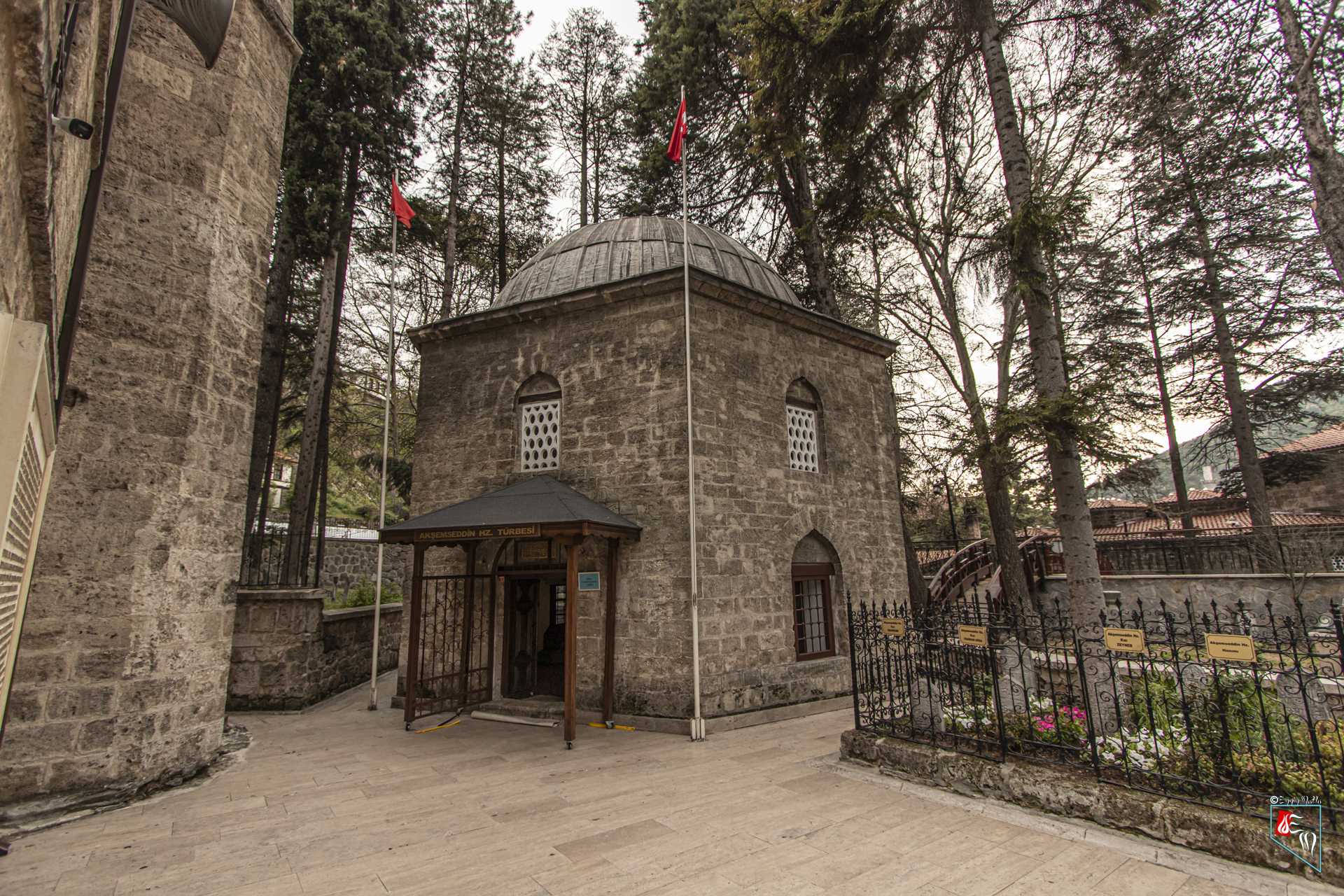
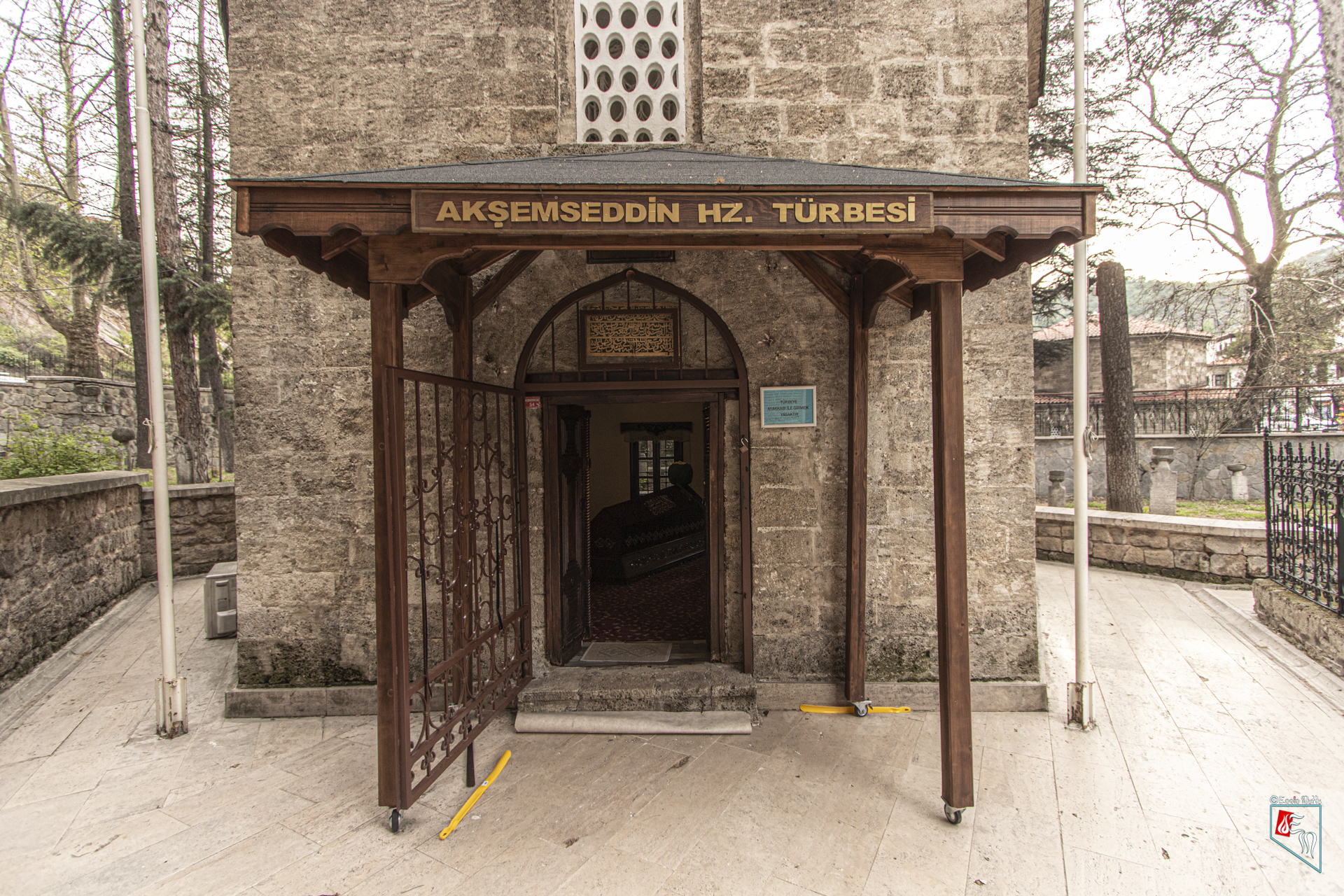
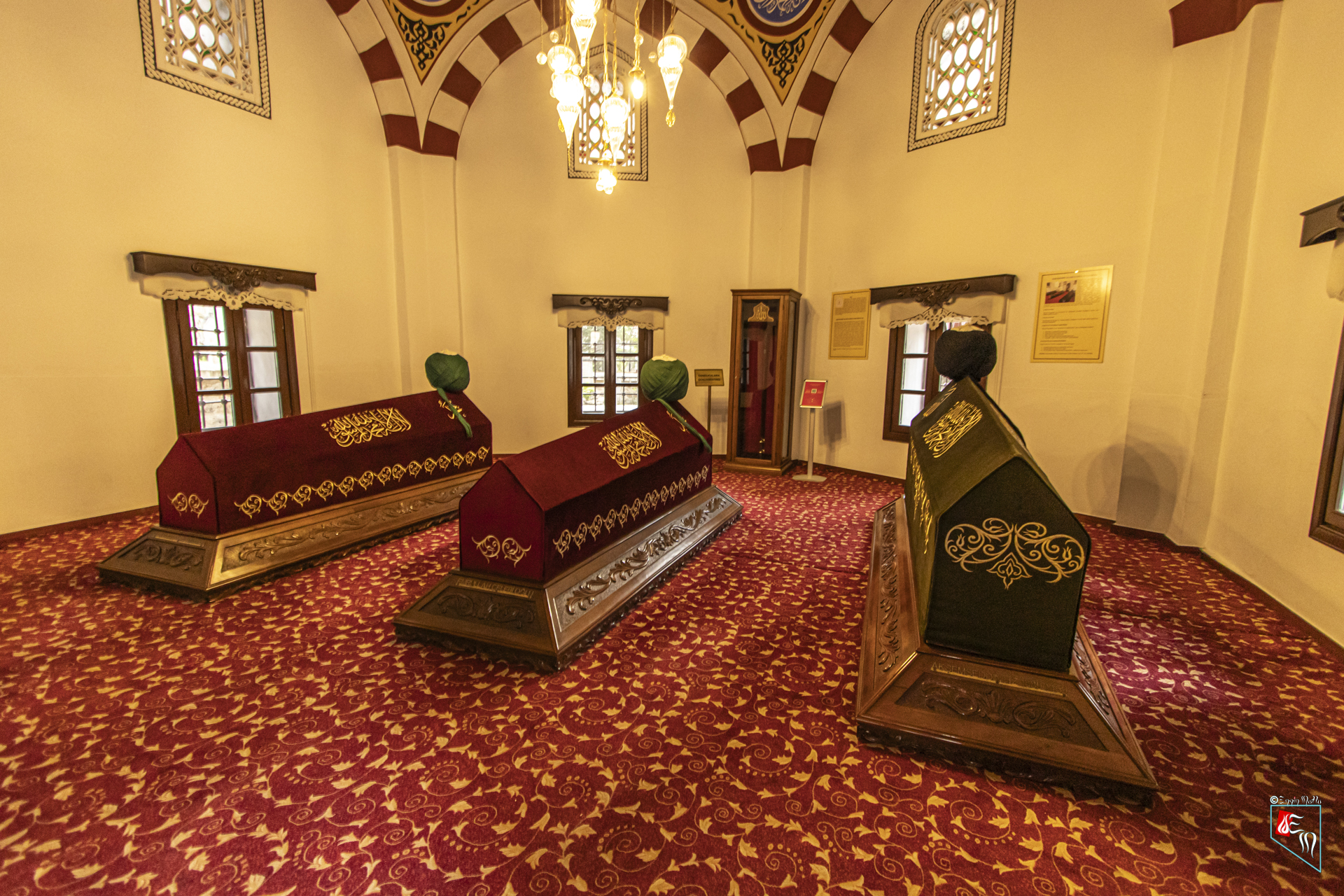
Hayatının son yıllarını Göynük’te geçirdiği tahmin edilen Akşemseddin, Menâkıbnâme’ye göre 863 Rebîülâhirinin sonunda (Şubat 1459) burada vefat etti. Türbesi halen ziyaretgâhtır.
Kaynaklarda aynı zamanda “tabîb-i ebdân” olduğu, devrinin iyi bir hekimi sıfatıyla da şöhret kazandığı ve tıbba dair eserleri bulunduğu belirtilen Akşemseddin’in, tıp tarihinde ilk defa mikrop meselesini ortaya atmak ve hastalıkların bu yolla bulaştığı fikrini öne sürmekle, bu alanda kesin bilgiler veren Fracastor adlı İtalyan hekimden en az 100 yıl önce bu konuya ilk temas eden tabip olduğu kabul edilmektedir.1
—–