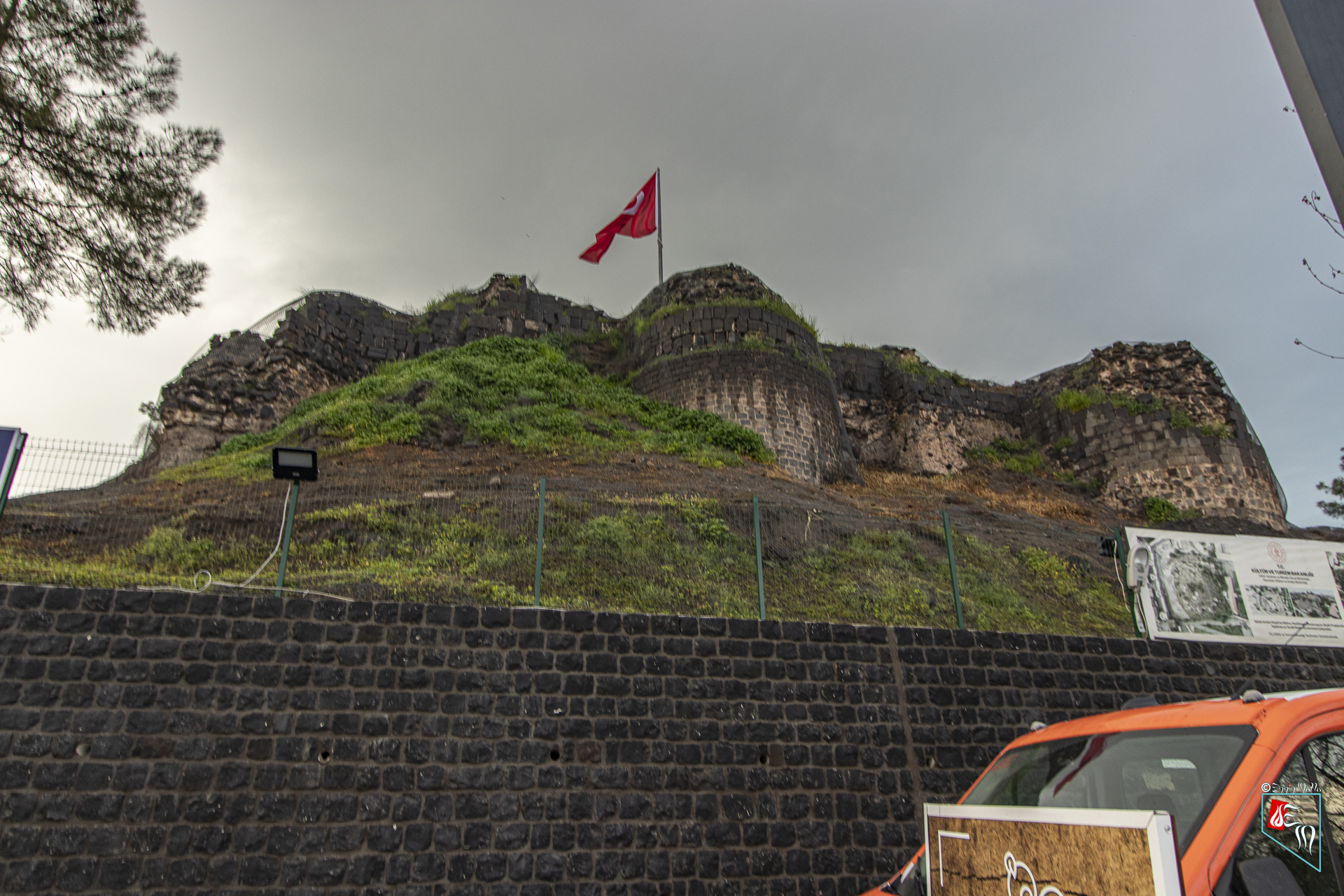
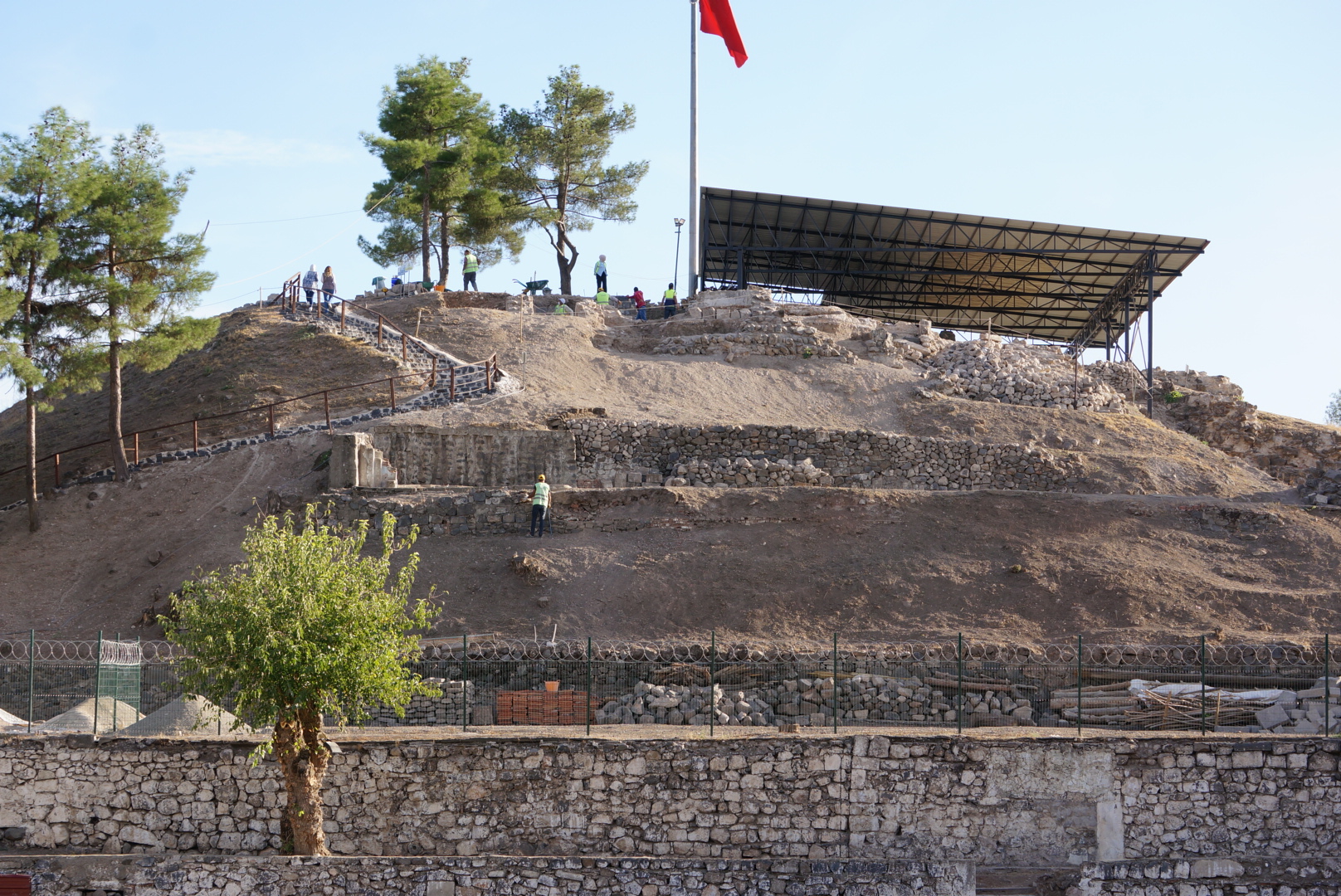
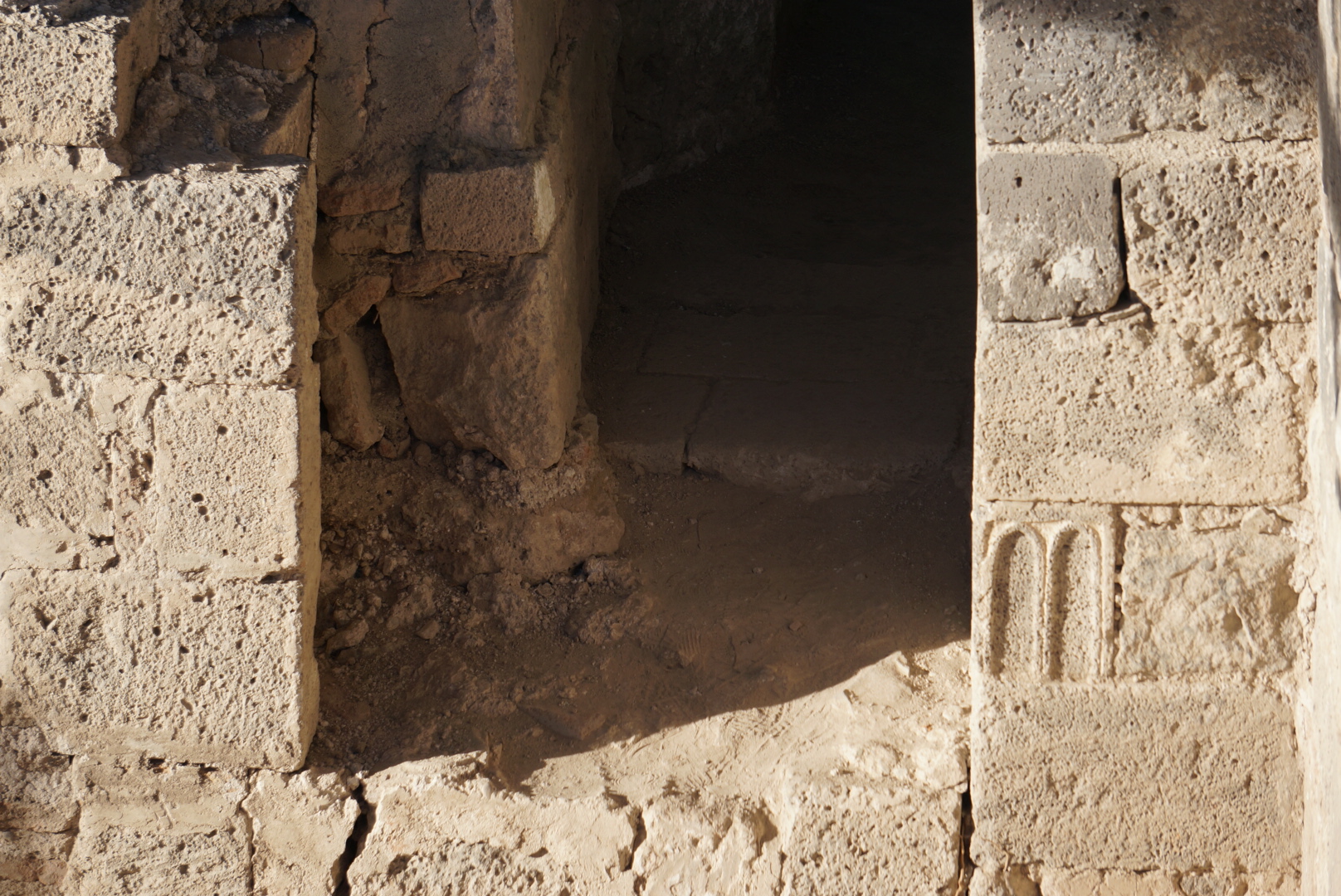
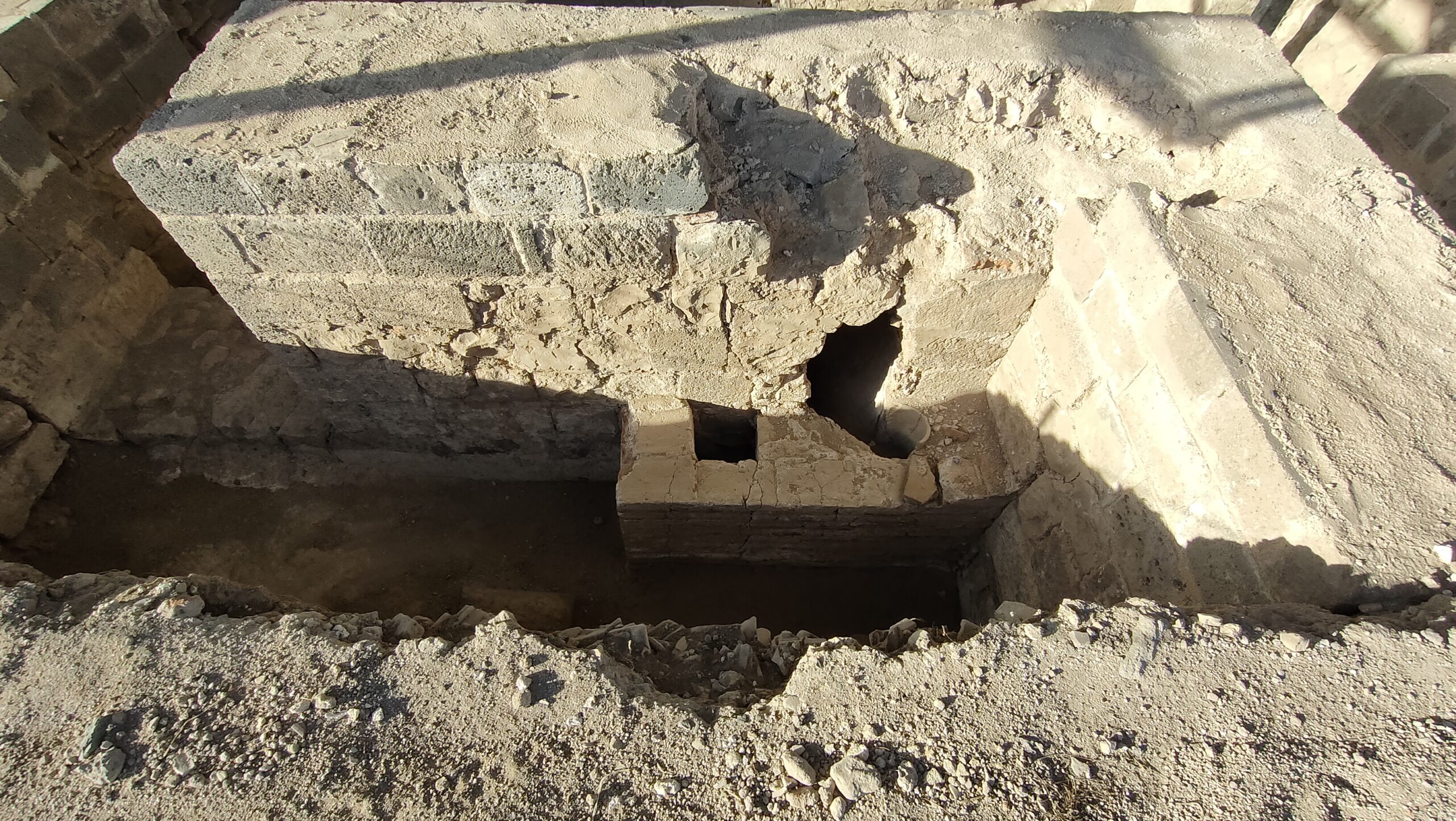
Diyarbakır şehir merkezinde, İçkale’de bulunan Amida Höyük, Diyarbakır merkezde ilk yerleşimin başladığı yerdir. Höyük, deniz seviyesinden 663.00 metre yükseklikteki tabandan yaklaşık 20 metre yüksekliktedir. Diyarbakır Arkeoloji Müze Müdürlüğü ve Prof. Dr. İrfan Yıldız Amida Höyük’te ilk yerleşim 8 bin yıl önce bulundu. MÖ 6100’de (Geç Neolitik-Erken Kalkolitik Dönem) başladığı ve günümüze kadar kesintisiz olarak devam ettiği tespit edilmiştir.
Kentin adı yazılı kaynaklarda ilk kez Asur döneminde geçmektedir. Asur belgelerinde kentin adı Amidi, Amēdi, Amidu, Amida olarak geçmektedir. Kentin adı, saltanatının son yıllarında Diyarbakır bölgesine saldıran Orta Asur Kralı I. Adad Nirari’nin (MÖ 1307-1275) kılıç kabzasında Amidi veya Amida olarak yazılmıştır. Roma döneminde kentin adı “Mezopotamya Metropolü’nün Amida Kolonisi” olarak geçmektedir.
Diyarbakır bölgesinin idari merkezi olan Amida Höyük, 8 bin yıldır kesintisiz bir yönetim merkezi olması bakımından dünyadaki tek örnektir. Diyarbakır’ın kalbinde yer alan Amida Höyük, dünyada ilk robotların yapıldığı ve hizmet verdiği Artuklu Sarayı’na ev sahipliği yapması açısından da önemli.
*Amida Höyük kazı alanındaki bilgilendirme panosundan aktarılmıştır.
Kuzey Mezopotamya’nın çoğu çağdaş yerle-şiminde yerel el yapımı kaplar ile çark yapımı Ubeyd kaplarının ve devrik ağızlı Uruk kâselerinin bir arada bulunmasına karşın, Amida Höyük’te sadece yerel kapların bulunması, buranın yerel topluluklar tarafından iskân edildiğine işaret etmektedir. Üzerinde perdahlı astar kalıntıları bulunan bir grup kap parçası, höyükte Geç Kalkolitik dönemden Erken Tunç Çağına geçiş evresine tarihlenen bir yerleşimin bulunduğunu göstermektedir.
Yukarı Dicle havzasının çoğu yerleşim biriminde olduğu gibi, burada da MÖ 3. binin ilk yarısına tarihlenen seramik parçalarına rastlanmamıştır. Höyük MÖ 3. bin ortalarından itibaren yeniden iskân edilmiş görünmektedir. İnce hamurdan çarkta üretilmiş ve yüksek ısıda pişirilmiş az sayıda kap parçası, Kuzey Mezopotamya’nın Standart Seramiğinin astarlı ve perdahlı bir grubunu temsil etmektedir. Yüzey buluntuları arasında ele geçen bir parça, Orta Fırat havzasında Erken Tunç Çağı III’e tarihlenen yüksek ayaklı çanakların ayak ile çanak bölümlerinin birleştirildiği kısma aittir. Erken Transkafkas III seramiğine ait bir parça, bu seramik grubunun Yukarı Dicle havzasındaki varlığına ilişkin kanıtları artırmaktadır. Yukarı Dicle havzasında ele geçen en erken yazılı belge, Akkad Kralı Naramsin’in bölgeyi MÖ 23. yüzyılda fethettikten sonra Pir Hüseyin’e diktirdiği steldir. Bölgede Akkad yönetimi yaklaşık bir yüzyıl devam etmiştir, MÖ 3. binin son iki yüzyılı da Akkad sonrası döneme tarihlenmektedir. Buna karşın, Amida Höyük’te dönemin karakteristik Metalik Seramik ve Koyu Ağızlı Portakal Rengi Çanaklarına ait herhangi bir parça ele geçmemiş, dolayısı ile höyükte bu dönemde yerleşildiğine ilişkin bir bulgu elde edilmemiştir.
Yukarı Dicle havzasında Orta Tunç Çağı, standart Kırmızı-Kahverengi Boya Astarlı Kaplar ve Habur Boyalıları ile tanımlanmaktadır. Amida Höyük’te bu seramik gruplarına ait parçaların varlığı, Yukarı Dicle havzasındaki çoğu yerleşim biriminde olduğu gibi, burada da yerleşilmiş olduğuna işaret etmektedir. Yüzeyi düzeltilmiş standart tek renkli kaplara ve ince hamurlu bej astarlı kaplara ait parçalar ile olasılıkla Nuzi Boyalılarına ait bir gövde parçası, höyüğün Mitanni döneminde de kullanıldığını göstermektedir. Orta Assur yazılı belgelerine göre Amid ya da Amedi, Bit-Zamani adlı bir Arami kabilesinin başkentidir. Kentin MÖ 1260-1190 yıllarında Orta Assur krallığının egemenliğine girdiği bilinse de, höyük yüzey malzemesi arasında Orta Assur dönemine tarihlenen parçalara rastlanmamıştır. Olasılıkla Orta Assur yerleşimi, kentin başka bir bölümüne kaydırılmış olmalıdır.
Orta Assur krallığının bölgeden çekilmesi ile MÖ 9. yüzyılda Yeni Assur krallarının bölgeyi yeniden fethetmeleri arasında geçen sürede Yukarı Dicle havzasınınçoğu yerleşim biriminde, içinde Doğu Anadolu kökenli el yapımı kapların bulunduğu çukur evler ile mevsimlik yerleşim alanları açığa çıkartılmıştır. Amida Höyük yüzey malzemesi arasında bu kaplara ait herhangi bir parçaya rastlanmamış olması, Bit-Zamani krallığının bu göçer kabileleri kentten uzak tutmuş olabileceğini düşündürmektedir.
Yukarı Dicle havzası MÖ 9. yüzyıldan itibaren Yeni Assur İmparatorluğunun bir parçası haline gelmiştir. Höyük yüzeyinde ele geçen orta ve kaba nitelikli kaplara ait parçalar, tarihi belgelerde geçen, Amidi’nin vasal krallığın surlu kenti ve sonra da Bit-Zamani eyaletinin merkezi olduğuna ilişkin bilgilere arkeolojik kanıt sunmaktadır. Eyalet valisinin II. Sargon’a yazdığı bir mektupta, içinde kralın tasvirinin bulunduğu kral sarayından söz edilmekle birlikte, Amida Höyük’te Yeni Assur Saray Seramiğine ait herhangi bir kap parçasının bulunmaması, tepenin bu dönemde sadece askeri amaçla kullanılmış olabileceğini düşündürmektedir. MÖ 612 yılından sonra Kuzey Mezopotamya Geç Babil İmparatorluğunun ve MÖ 550 yılından itibaren de Pers İmparatorluğunun bir parçası olmuştur. Buna karşın, bu dönemlere ait karakteristik kap biçimlerine rastlanmamıştır. Yeni Assur standart seramiği Geç Babil ve Pers dönemlerinde de kullanılmış görünmektedir. Tarihi belgelere göre kent Büyük İskender tarafından, daha sonra da Ermeni, Roma ve Part krallıkları tarafından fethedilmiş olmakla birlikte, Höyüğün yüzey malzemesi arasında bu dönemlere tarihlenebilecek karakteristik parçalara rastlanmamıştır.
Kentin Orta, Yeni ve Yakınçağ tarihi daha iyi belgelenmiştir. Kent Roma ve Sasani kralları arasında sıkça el değiştirmiş; MS 330-349 yıllarında İmparator Konstantin, Roma İmparatorluğunun doğu sınırının geçtiği Amida kentini surlarla çevirtmiştir. Höyükte ele geçen, Geç Antik ve Bizans dönemlerine tarihlenen koyu yeşil sırlı kaba kaplara ve yalın yüzeyli günlük kaplara ait parçalar, bölgede yerel çömlekçiler tarafından sonraki dönemlerde de üretilmiştir.
Kent MS 639 yılında Arap orduları tarafından fethedildikten sonra, İslami dönem başlamıştır. Selçuklu, Eyyubi ve Moğol dönemlerinde Artuklular tarafından yönetilen kente Kara Amid denilmiştir. Artuklu dönemi sarayı, olasılıkla kentin en yüksek noktasını oluşturması nedeniyle Höyüğün üzerine inşa edilmiş-tir. MS 1335 yılında Moğolların çekilmesinden sonra kent, Akkoyunlu ve Karakoyunlu Türkmenlerinin savaşlarına sahne olmuştur. MS 11-14. yüzyıllara tarihlenen yalın yüzeyli, kırmızı astarlı, kalıplanan barbotin bezemeli ve yeşil sırlı kaplara ait parçalar bu dönemler boyunca üretilmiş ve kullanılmış görünmektedir. Kent 16. yüzyılda Osmanlı İmparatorluğu tarafından fethedilmiş ve Diyâr-ı Bekr vilayetinin başkenti olmuştur. Höyükten toplanan yüzey malzemesi arasında bulunan mavi-beyaz ve çok renkli sırlı kaplara ait parçalar ile pişmiş toprak pipo parçaları 16-18. yüzyıllara tarihlenmektedir. Osmanlı döneminde höyüğün eteklerine resmî ve askerî binalar inşa edilmiştir.
A. Tuba Ökse – Diyarbakır Kentinin En Eski Yerleşimi: İçkale’deki Amida Höyük