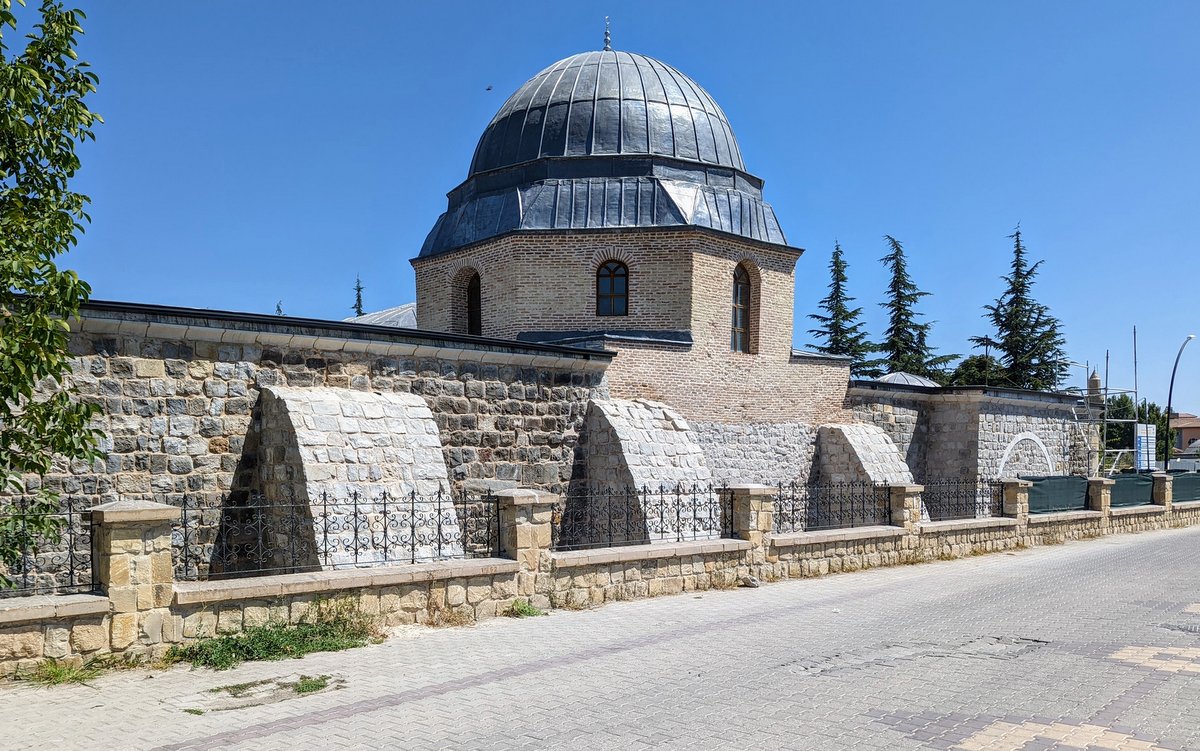
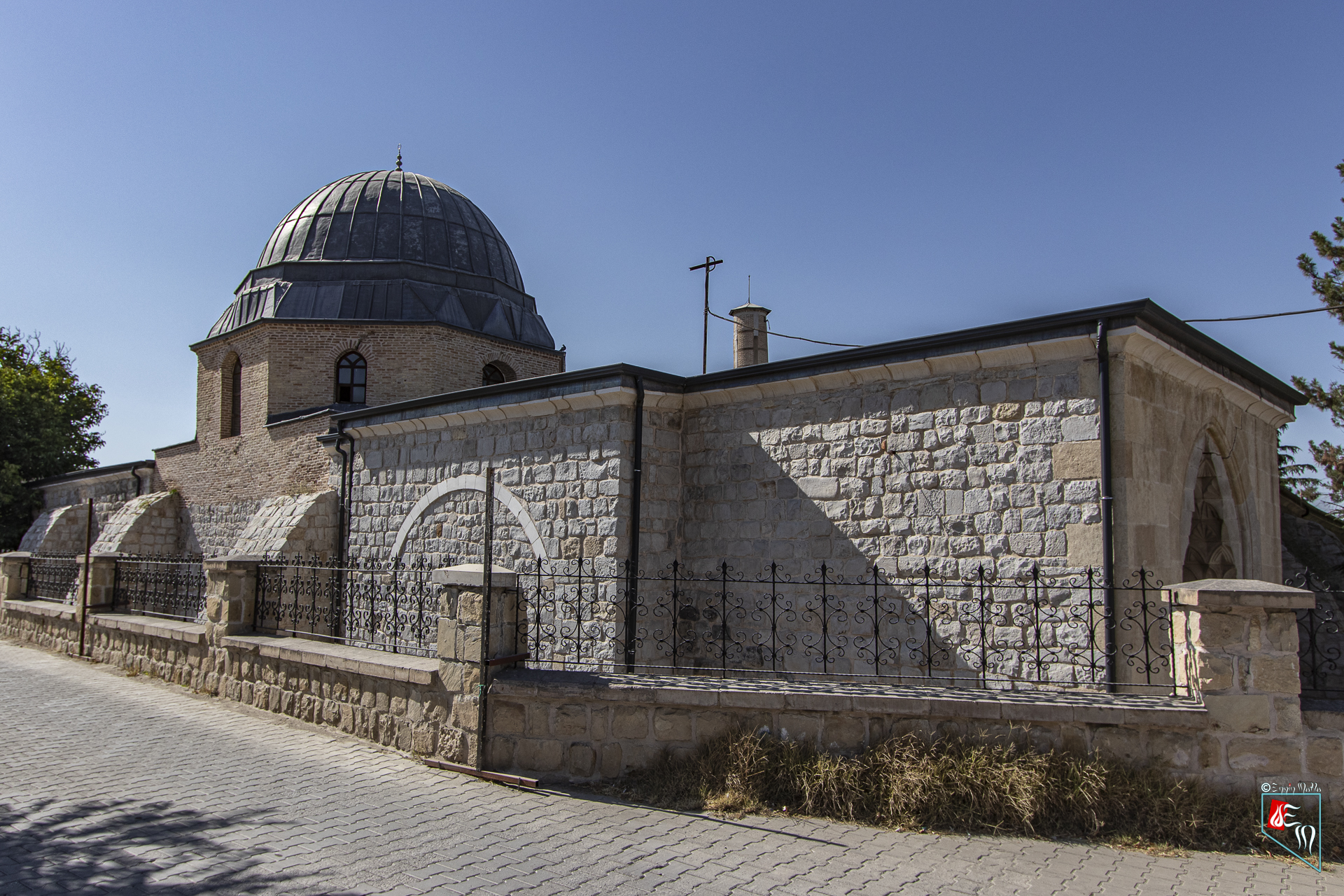
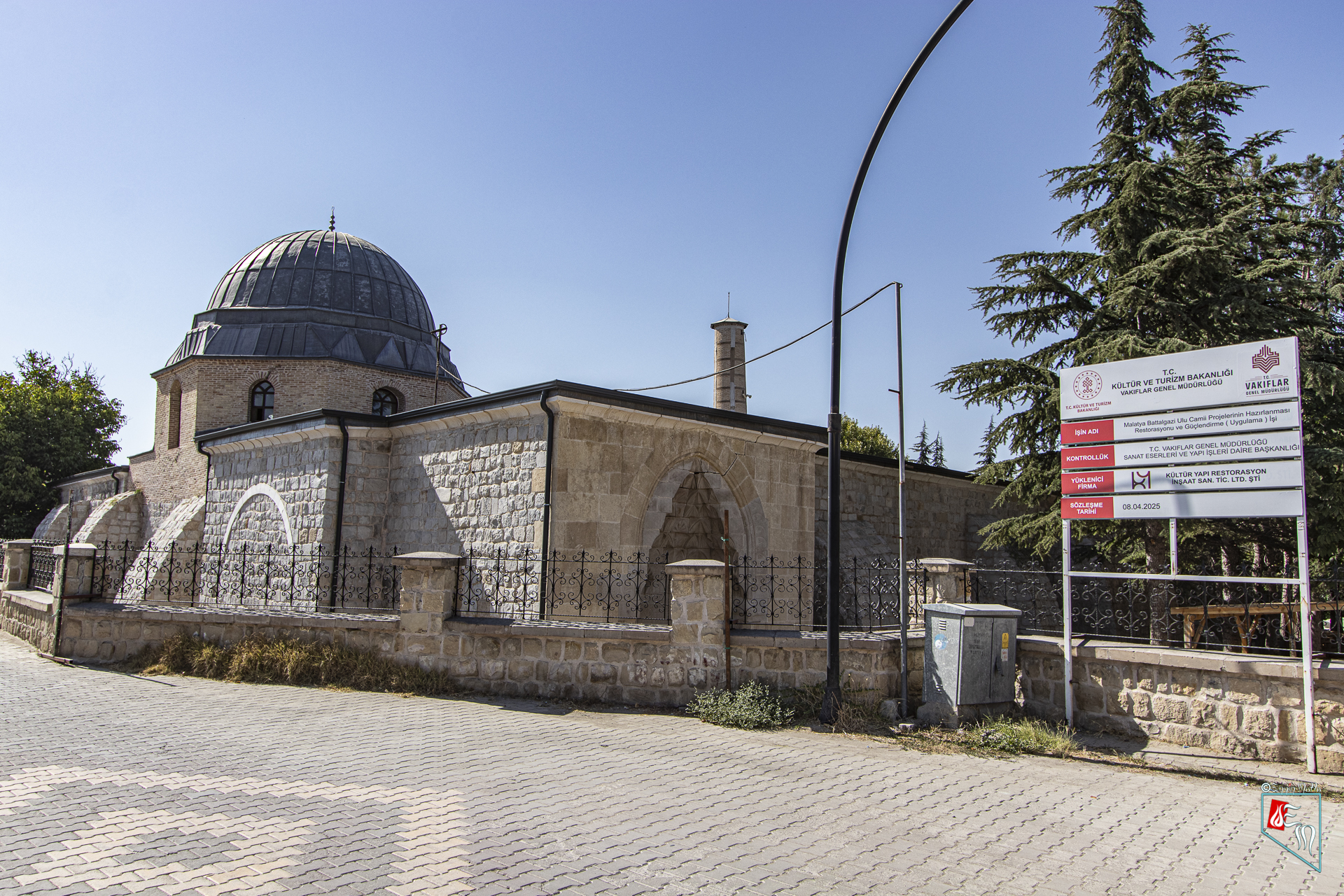
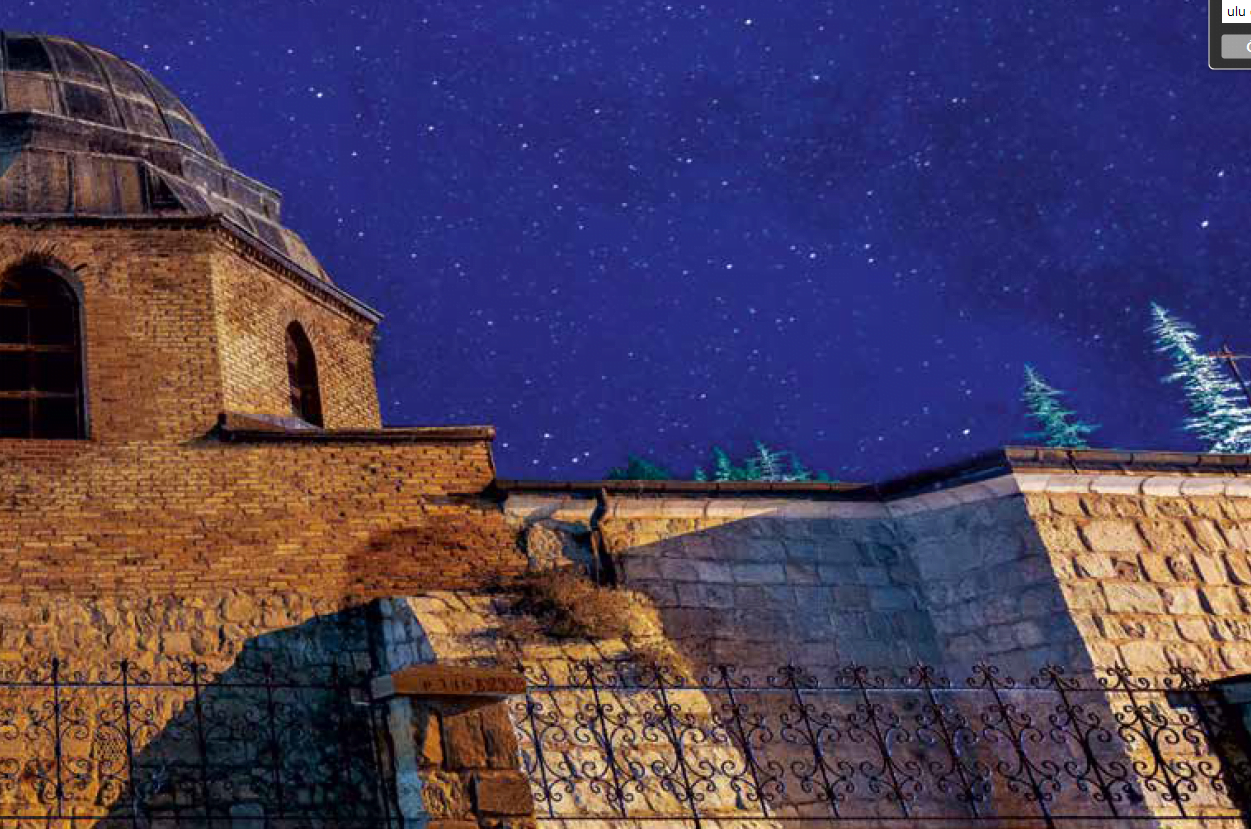
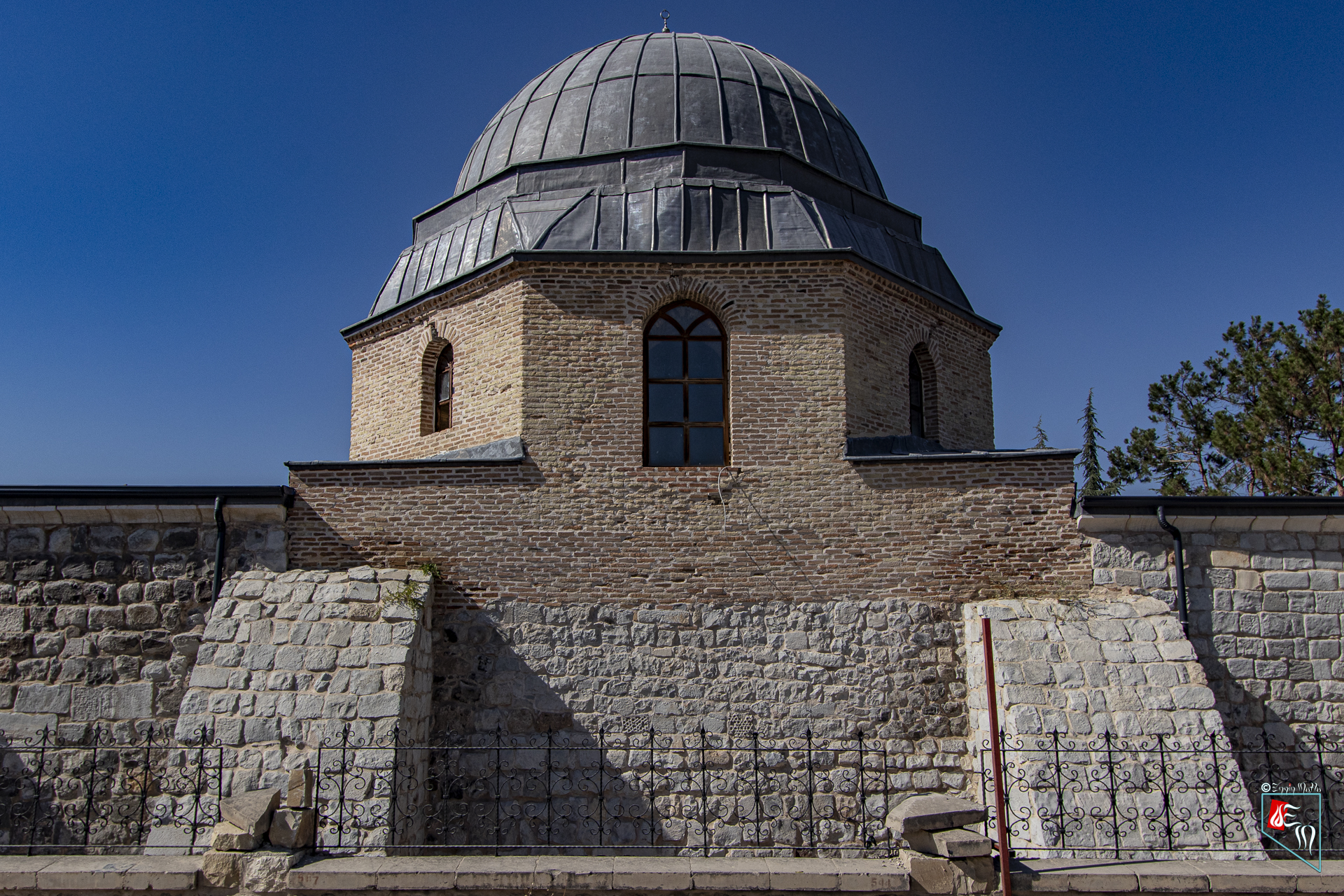
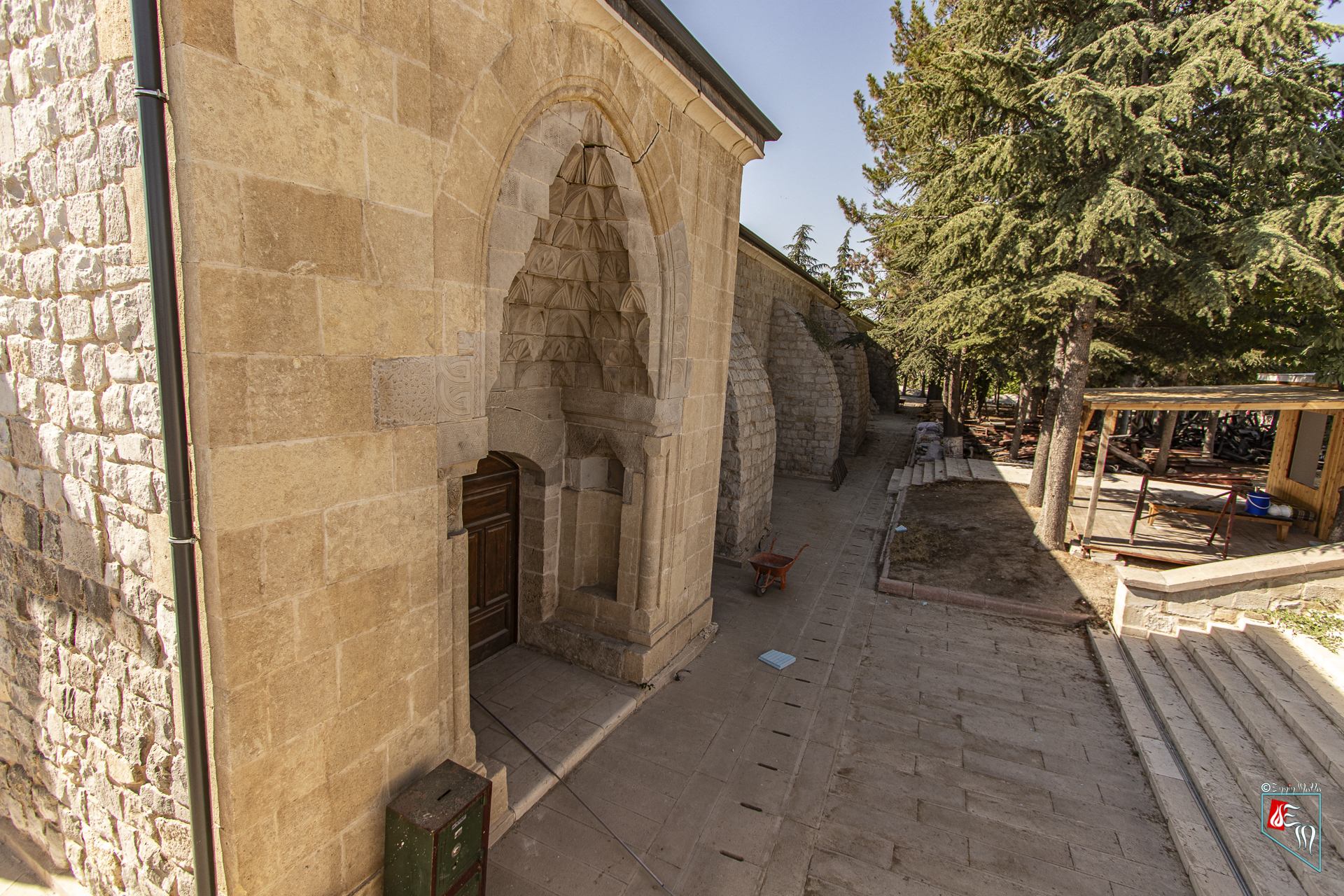
Şehir surlarının içinde yer alan Malatya Ulu Cami, çeşitli dönemlerde geçirdiği onarım ve ilavelerle bugünkü şeklini almıştır. İki ayrı bölümden ibaret olan yapı, eyvanlı ve iç avlulu asıl kısım ile kuzeydeki ikinci bir ek kuruluştan oluşmaktadır. Yapıda, mihrap önü kubbesi, buna bitişik eyvan ve bunun önündeki revaklı iç avlu planın esasını teşkil eder. Gerek planı, gerek tuğla malzemesi bakımından bu yapı doğrudan doğruya Büyük Selçukluların İran’daki cami yapım tekniğinin bir uzantısıdır. Yapının inşasında taş ve tuğla olmak üzere iki ayrı malzeme kullanılmıştır. Beden duvarları moloz taş; iç mekândaki destek ve kemerler ile portaller düzgün kesme taştır. Asli durumunu koruyan kubbe ve tonozlar ile avlunun batı revakı ve minare tamamen tuğladan inşa edilmiştir. Dışta, yapının bütün cepheleri sonraki onarımlar sırasında eklenen payandalarla desteklenmiştir (Eskici, 2013, s.36).
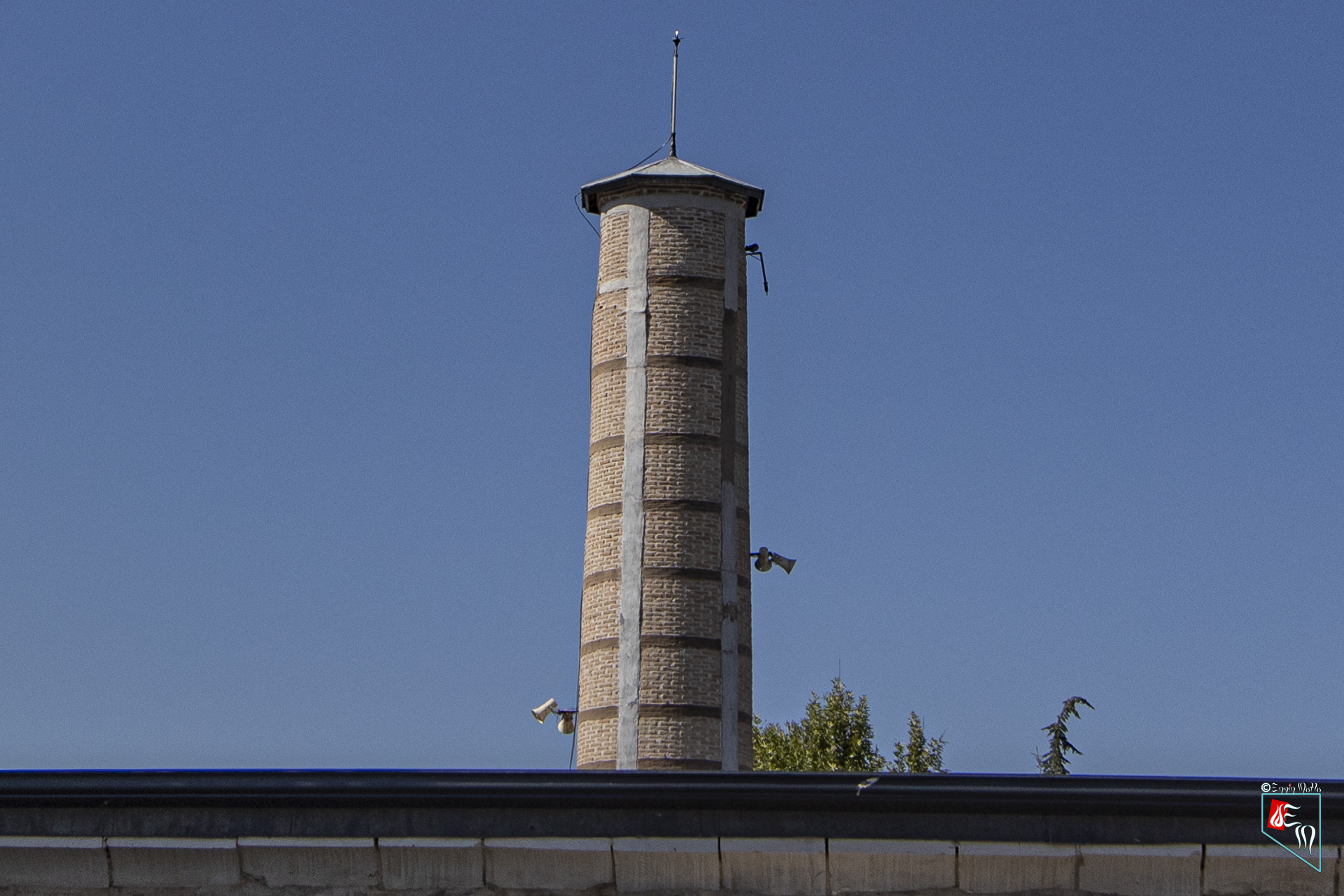
Minare, batı duvarının kuzey ucunda duvara bitişik olarak yapılmış olup kaidesi kuzeydeki ek bölümün içindedir. Gövdede yatay istif düzenindeki tuğla örgü, her sırada 1/2 tuğla boyu kaydırılarak istiflenmiştir. Yapıda bugün batı, güney ve doğu cephelerinde yer alan üç portal kalıntısı mevcuttur. Bunlardan sadece doğu portalı kullanılmaktadır. İç mekân, mihrap ekseninde art arda sıralanan kubbe, eyvan ve avlu kuruluşu ile yan kanatlarda kıbleye paralel uzanan sahınlardan oluşur. Sahınlar, sivri beşik tonozlarla örtülüdür. Yapıda bugün planın esasını teşkil eden unsurlar, mihrap önü kubbesi, buna bitişik eyvan ve eyvanın önündeki dikdörtgen planlı revaklı iç avludur.
Eyvan ve kubbe, asli tuğla yapısı ve çinili süslemeleriyle ayrıca dikkati çeker. Avlunun sadece batı revakı orijinal durumunu kısmen koruyabilmiştir. Mihrap, sonradan yapılmıştır. Sağda yer alan ahşap minber kuruluşu, yakın zaman ekidir.Yarım silindirik basit bir niş şeklindedir. Caminin, bugün üzerinde ilk inşa tarihini veren herhangi bir kitabe yoktur. Fakat değişik kısımlarında, farklı tarih ve dönemlere ait onarım ve ilave kitabeleri mevcuttur. Avluda bulunan çini tezyinatta mor renkli çinilerle kazıma tekniğinde usta kitabesi, soldakine ise grift bitkisel bezeme işlenmiştir. Ustakitabesinde “Amele, Yakup bin Ebûbekir el- Malatî” yazısı görülür (Yetkin, 1986, s.47). 2005-2006 yıllarında onarım görmüştür. Yapı, 24 Ocak 2020 tarihinde yaşanan depremde zarar görmüş olup Vakıflar Bölge Müdürlüğü tarafından onarımı gerçekleştirilmektedir.
6 Şubat 2023 depremlerinde yapının bazı bölümleri hasar almıştır.