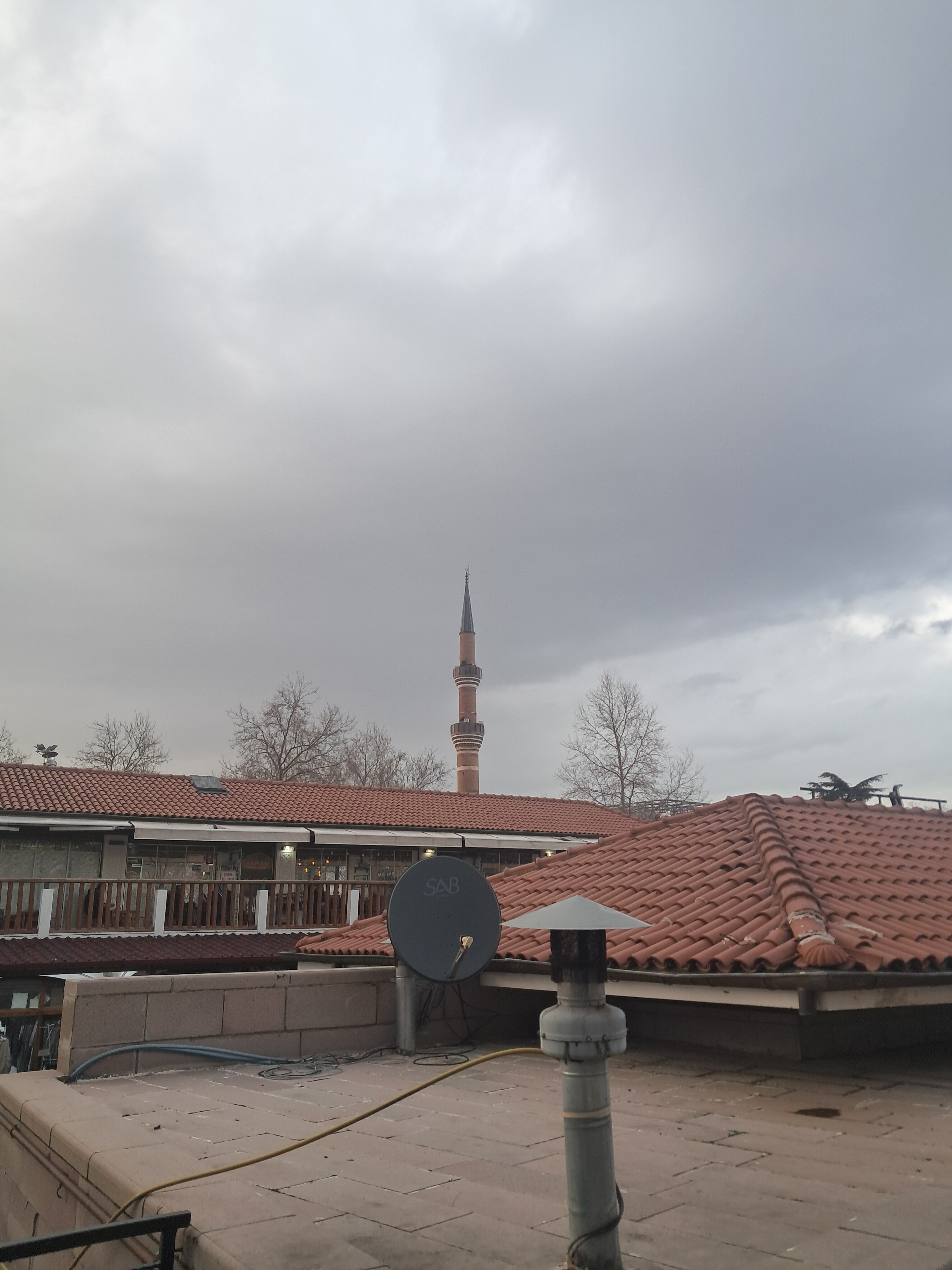
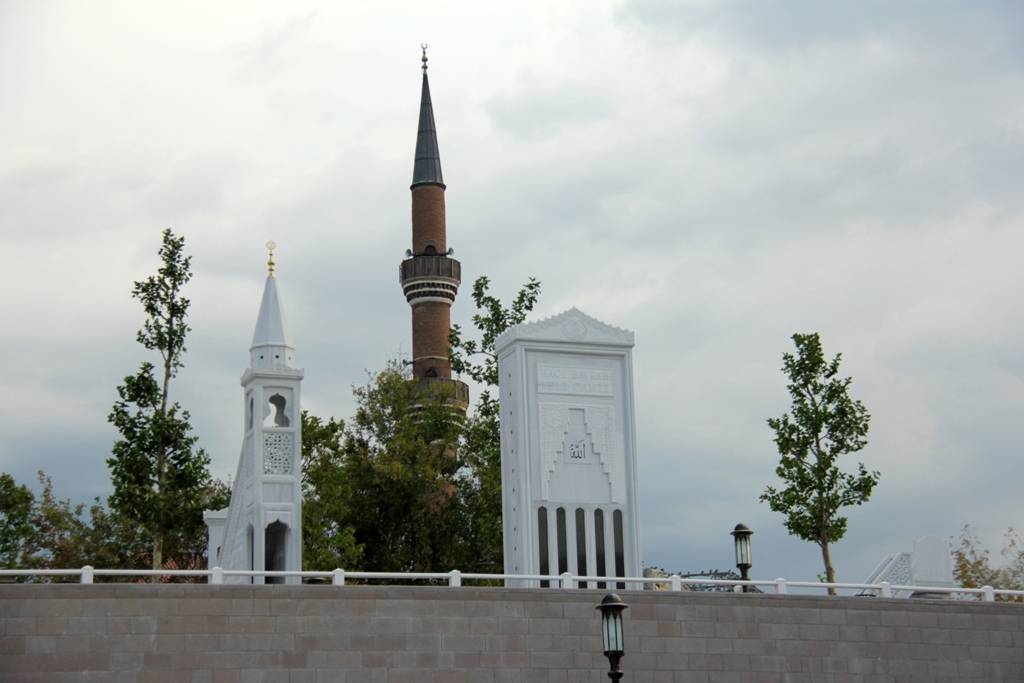
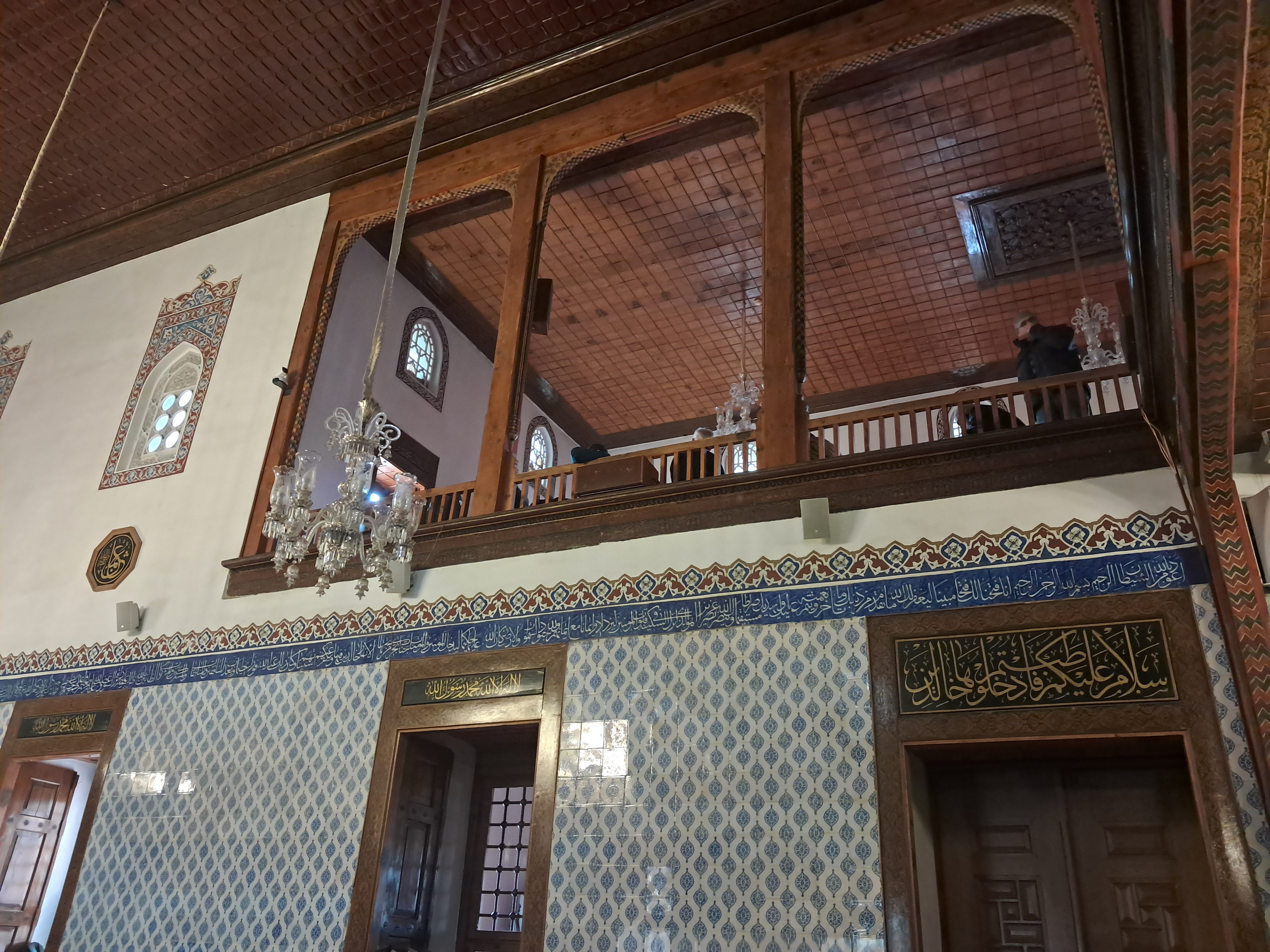
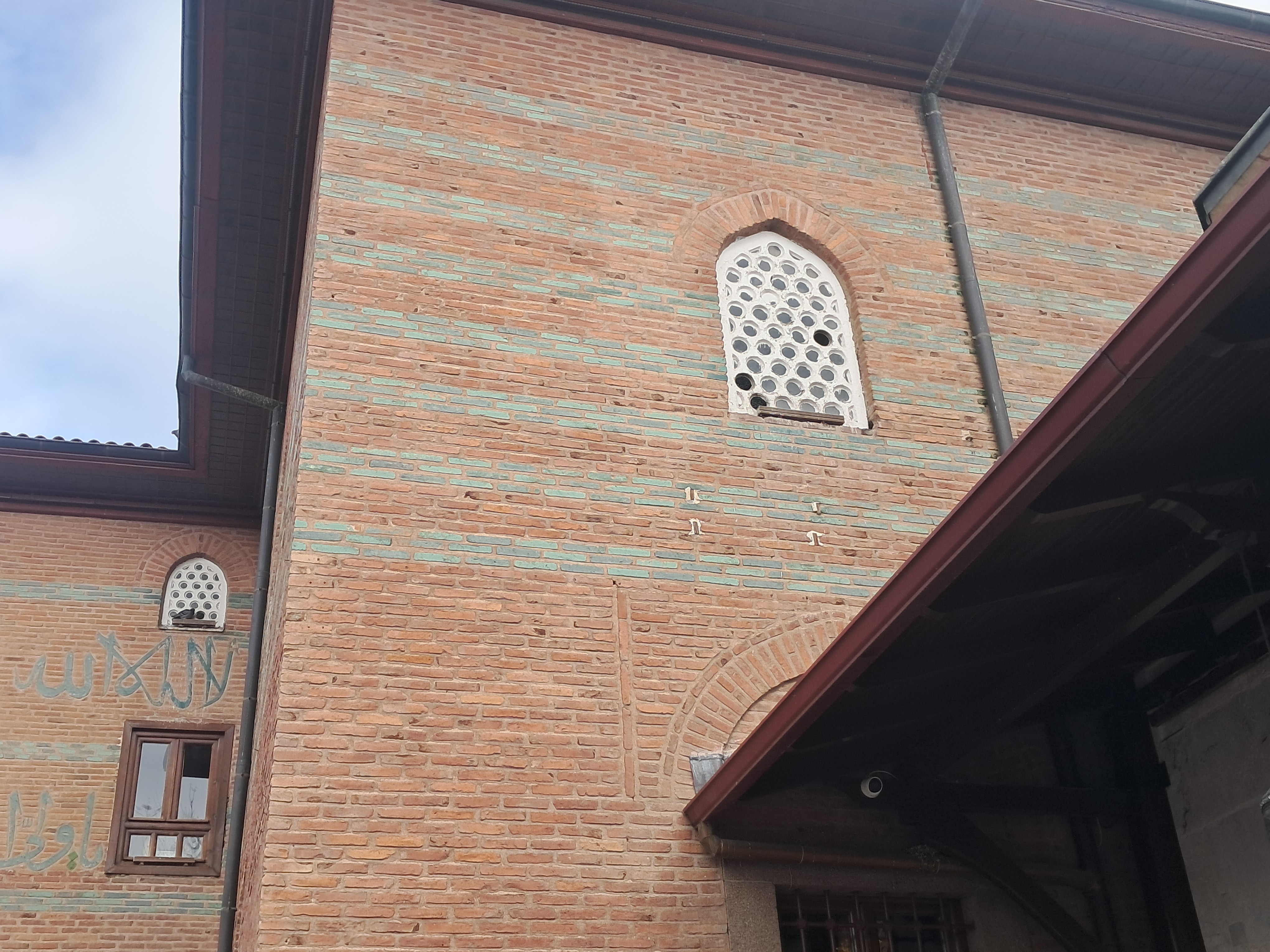
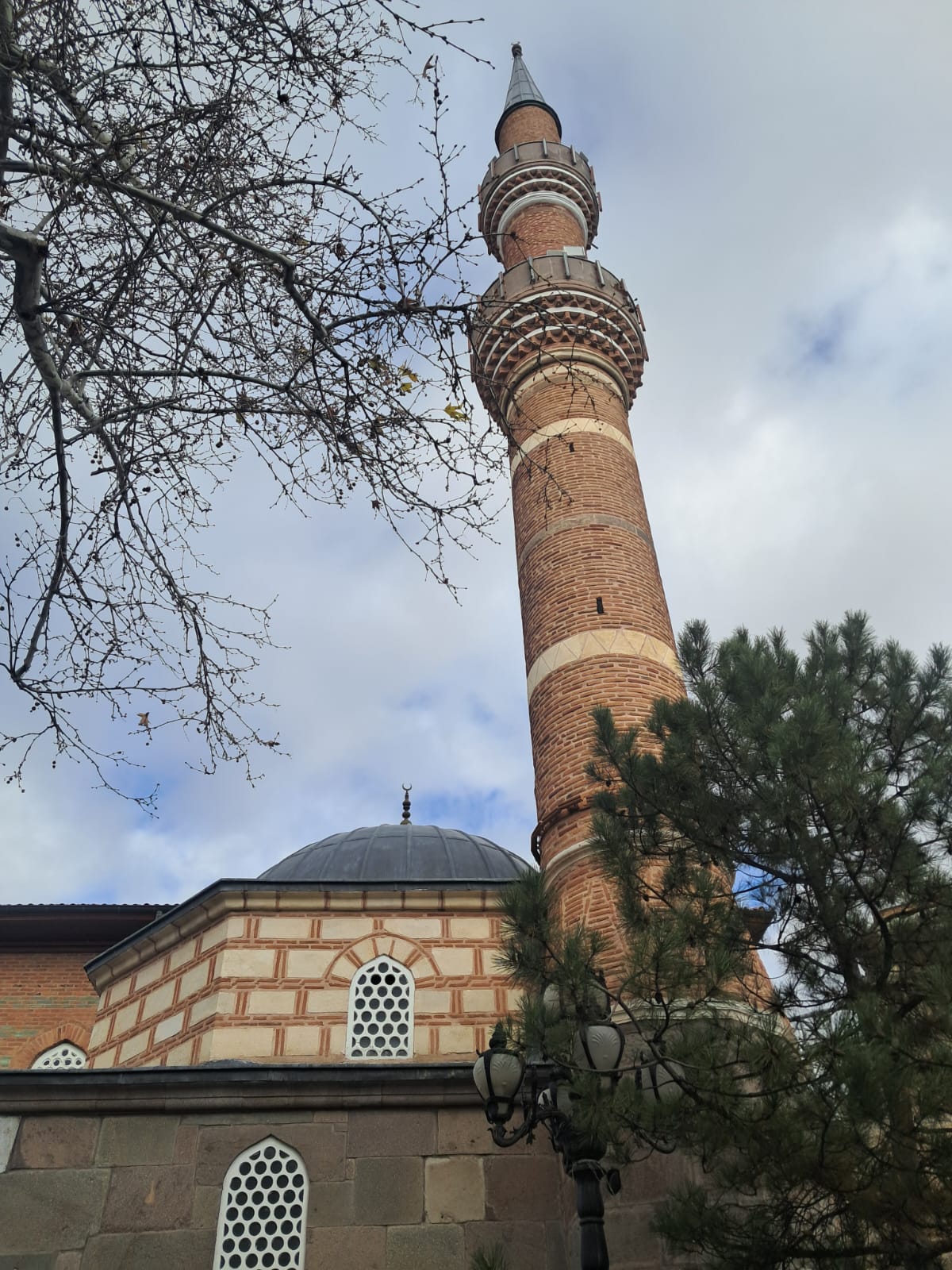
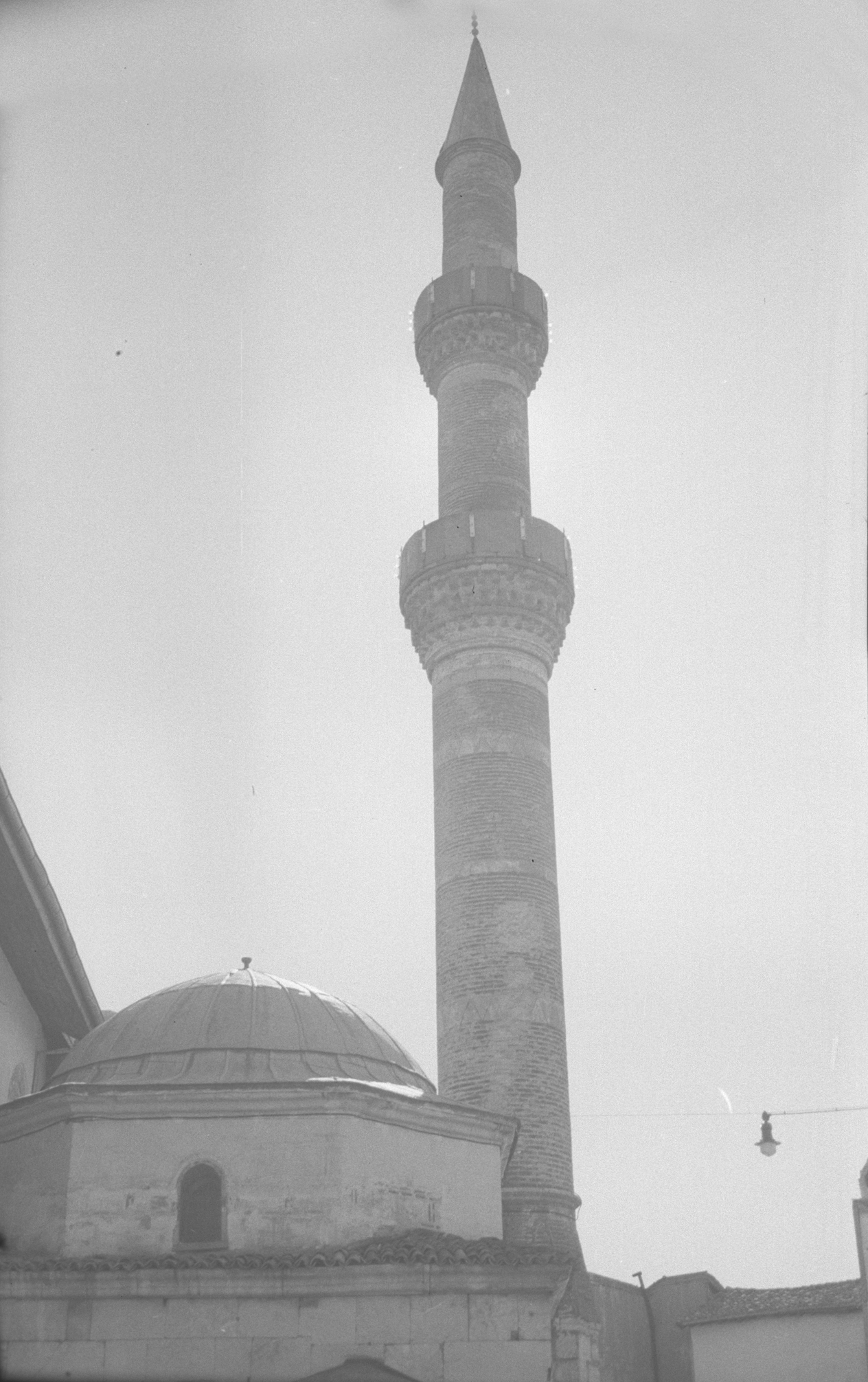
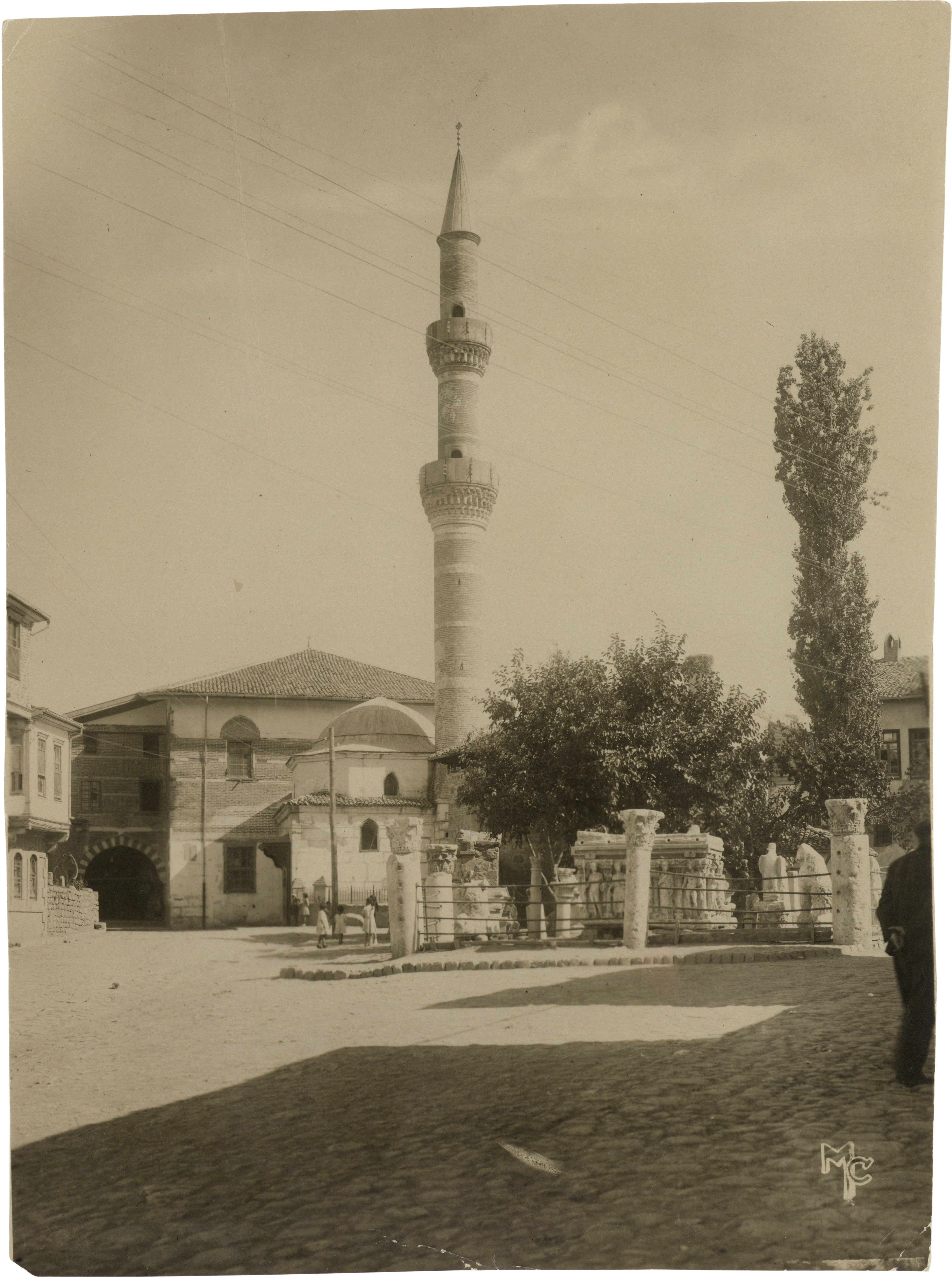
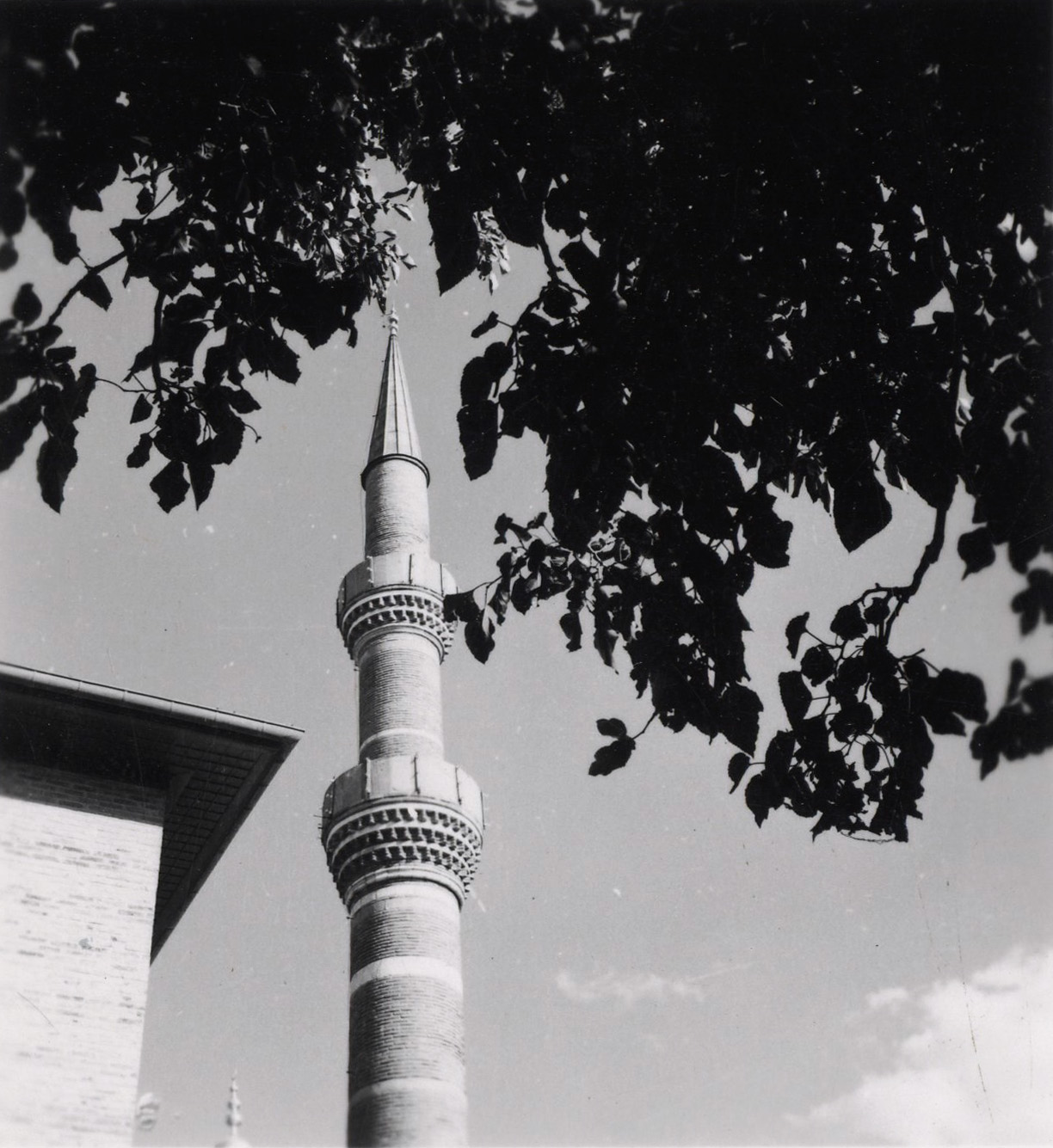
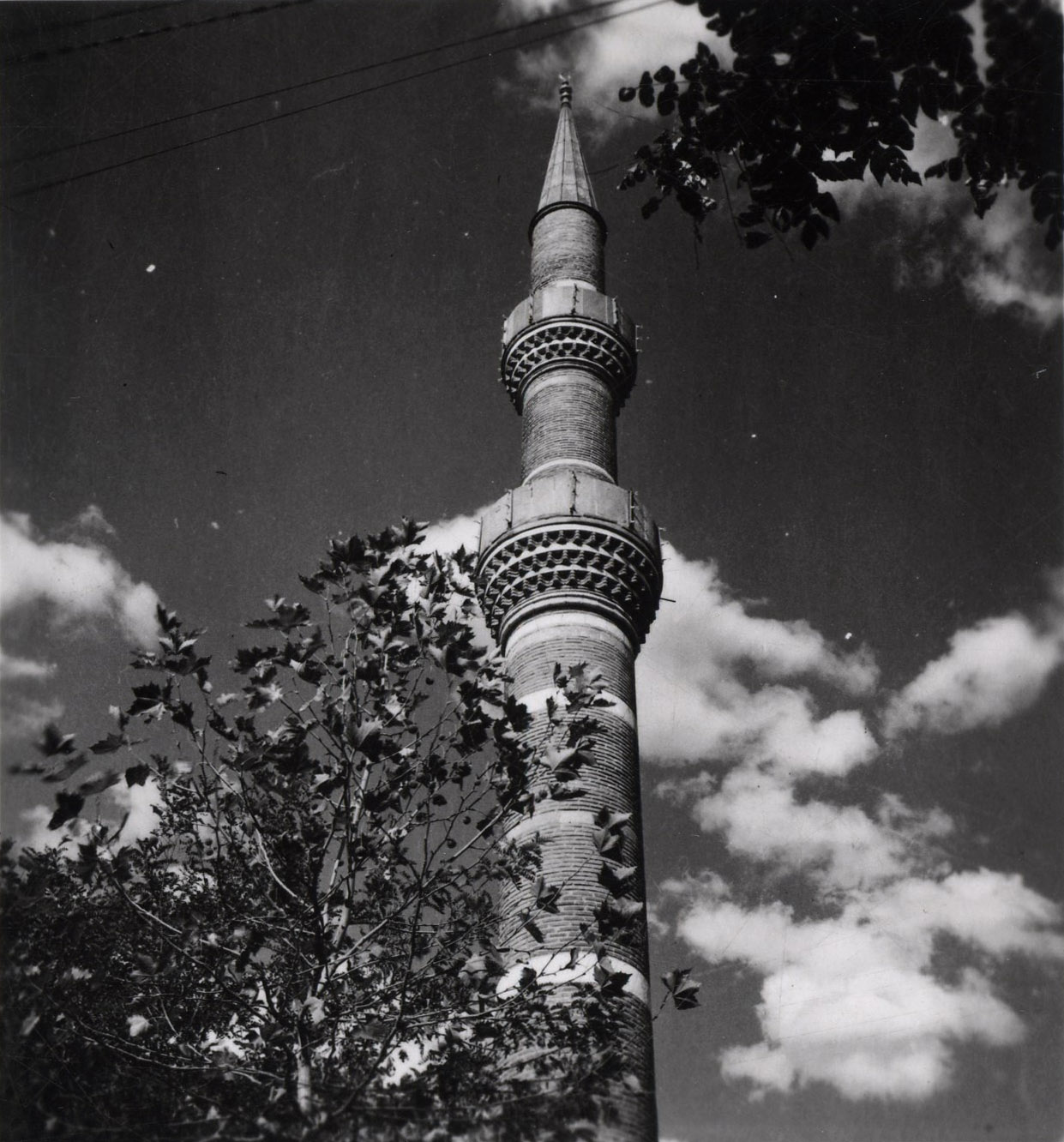
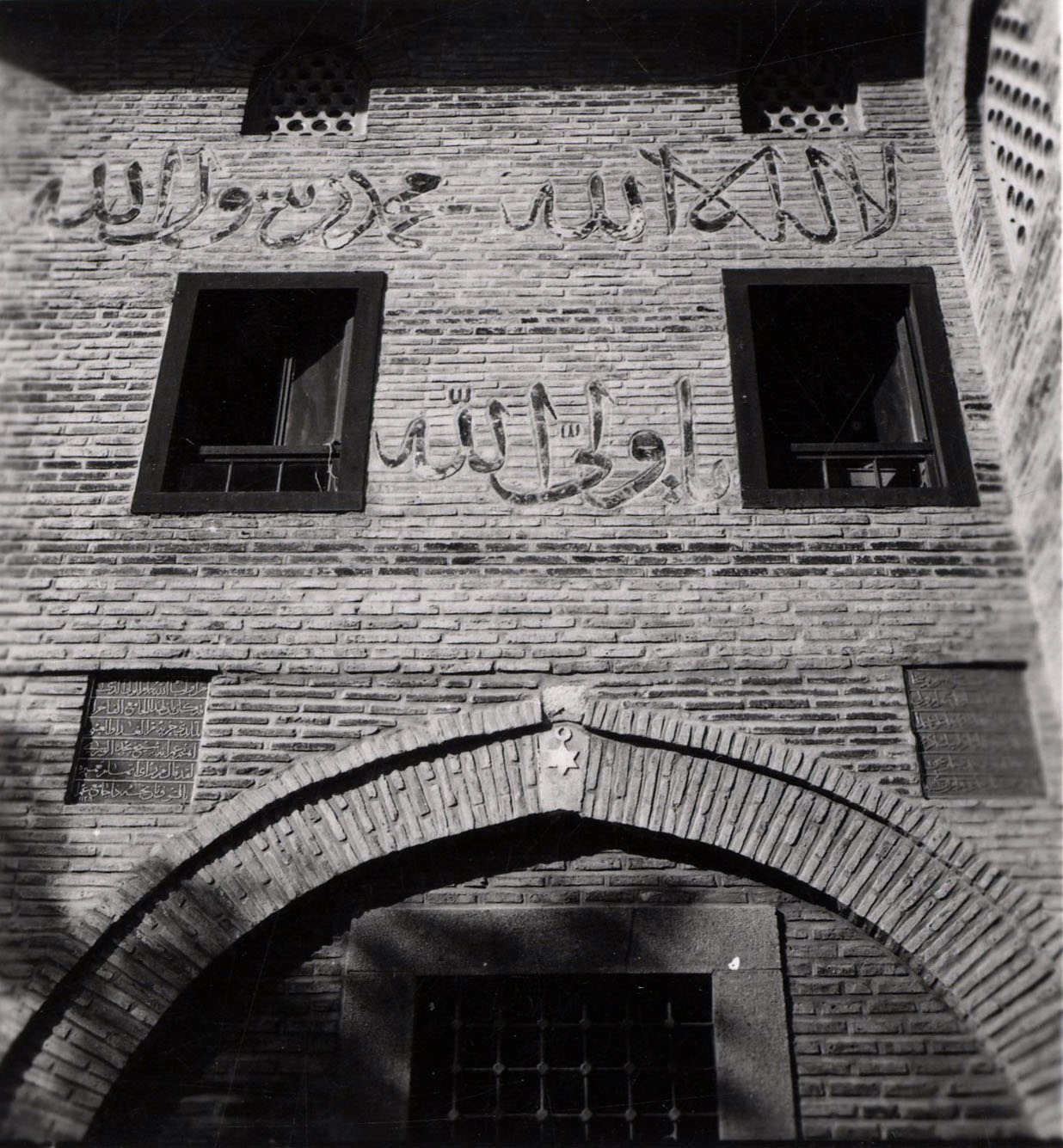
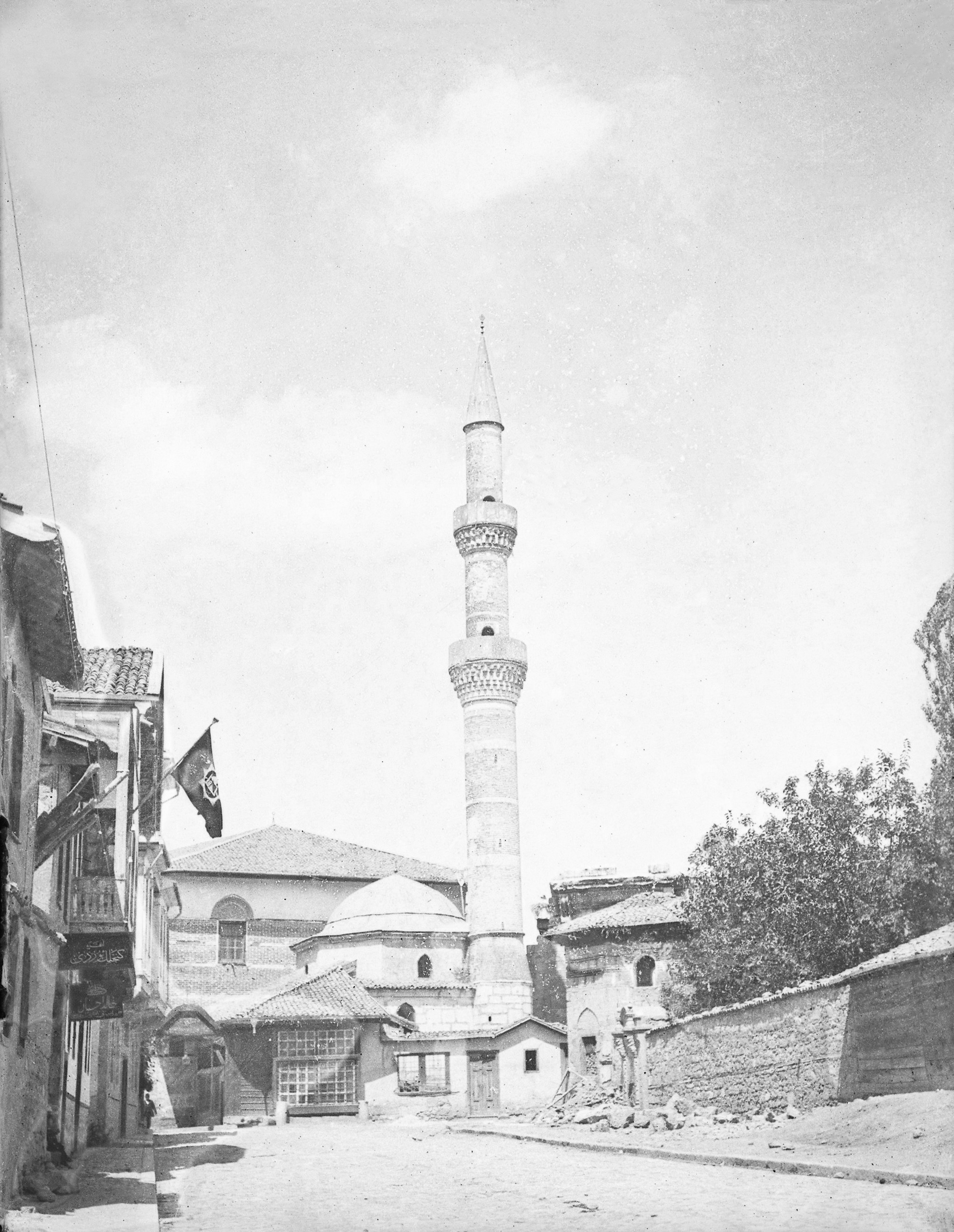
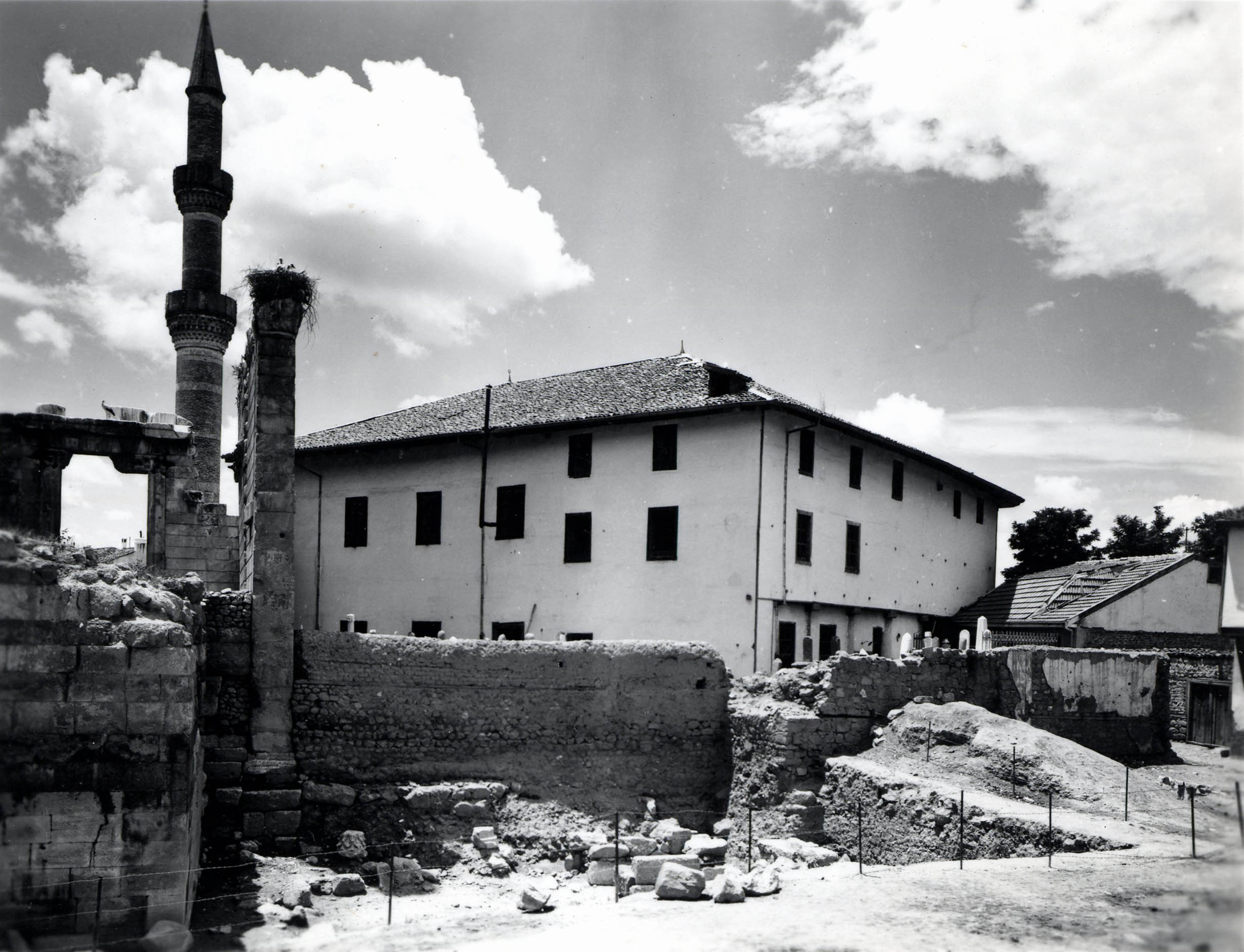
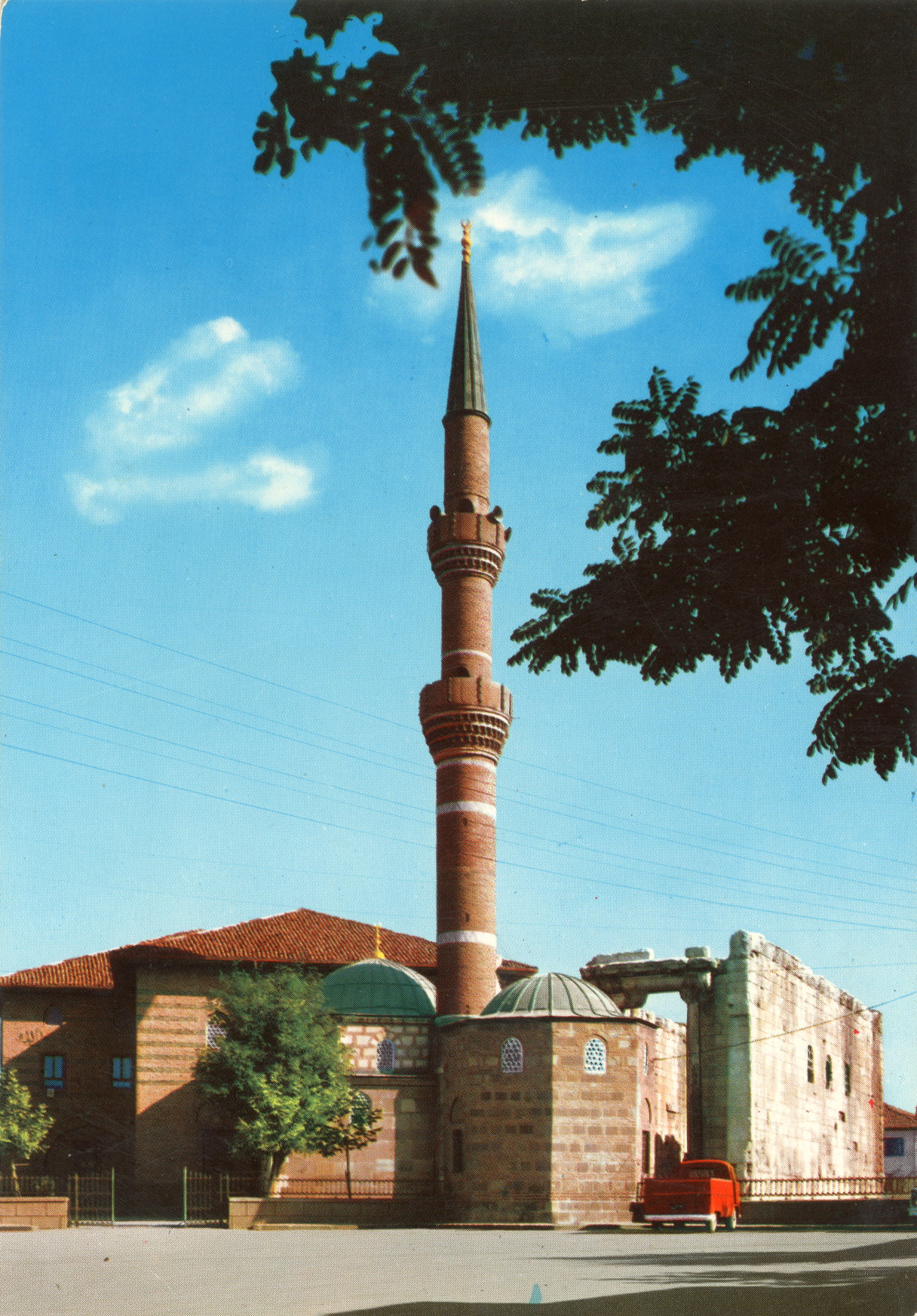
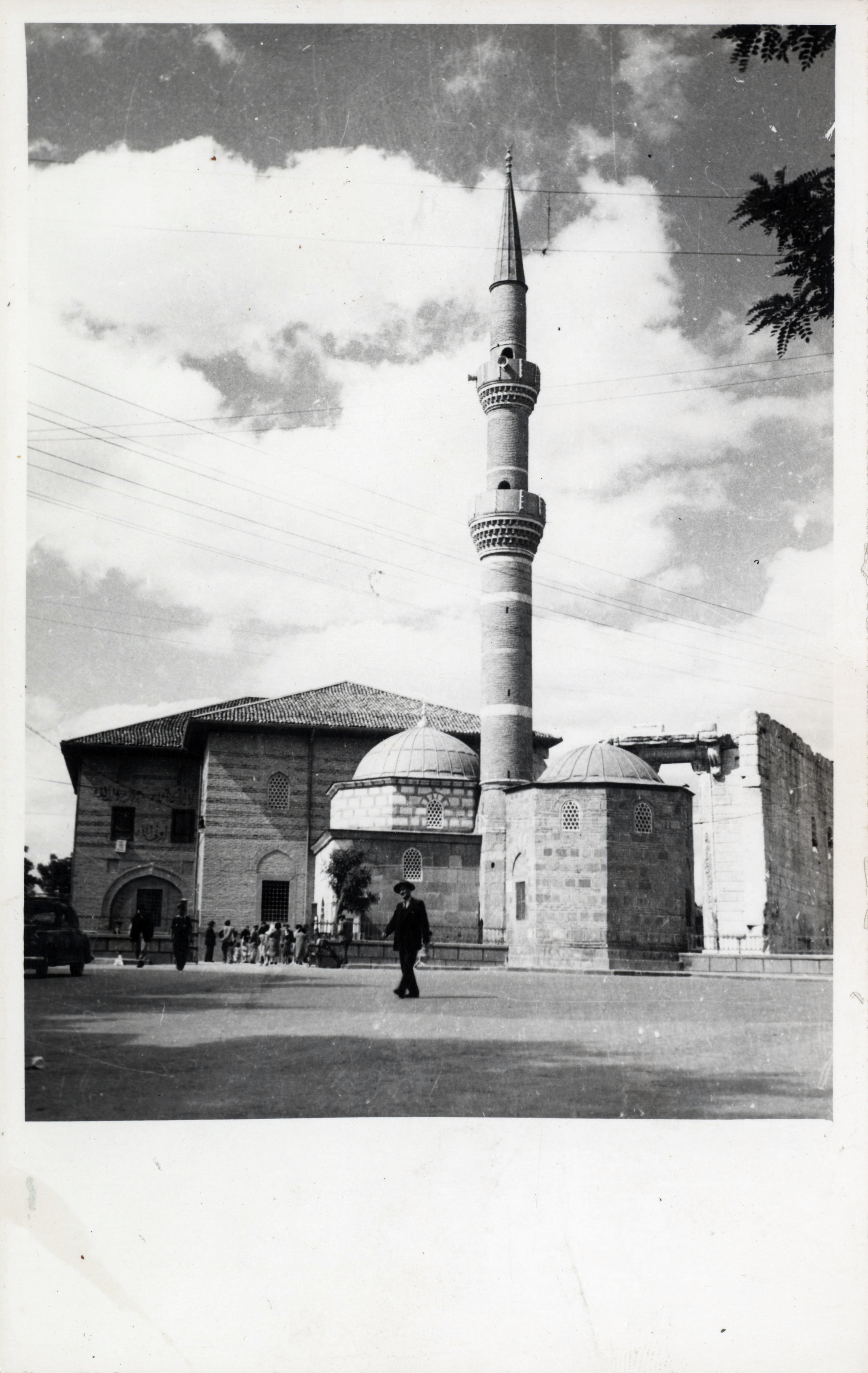
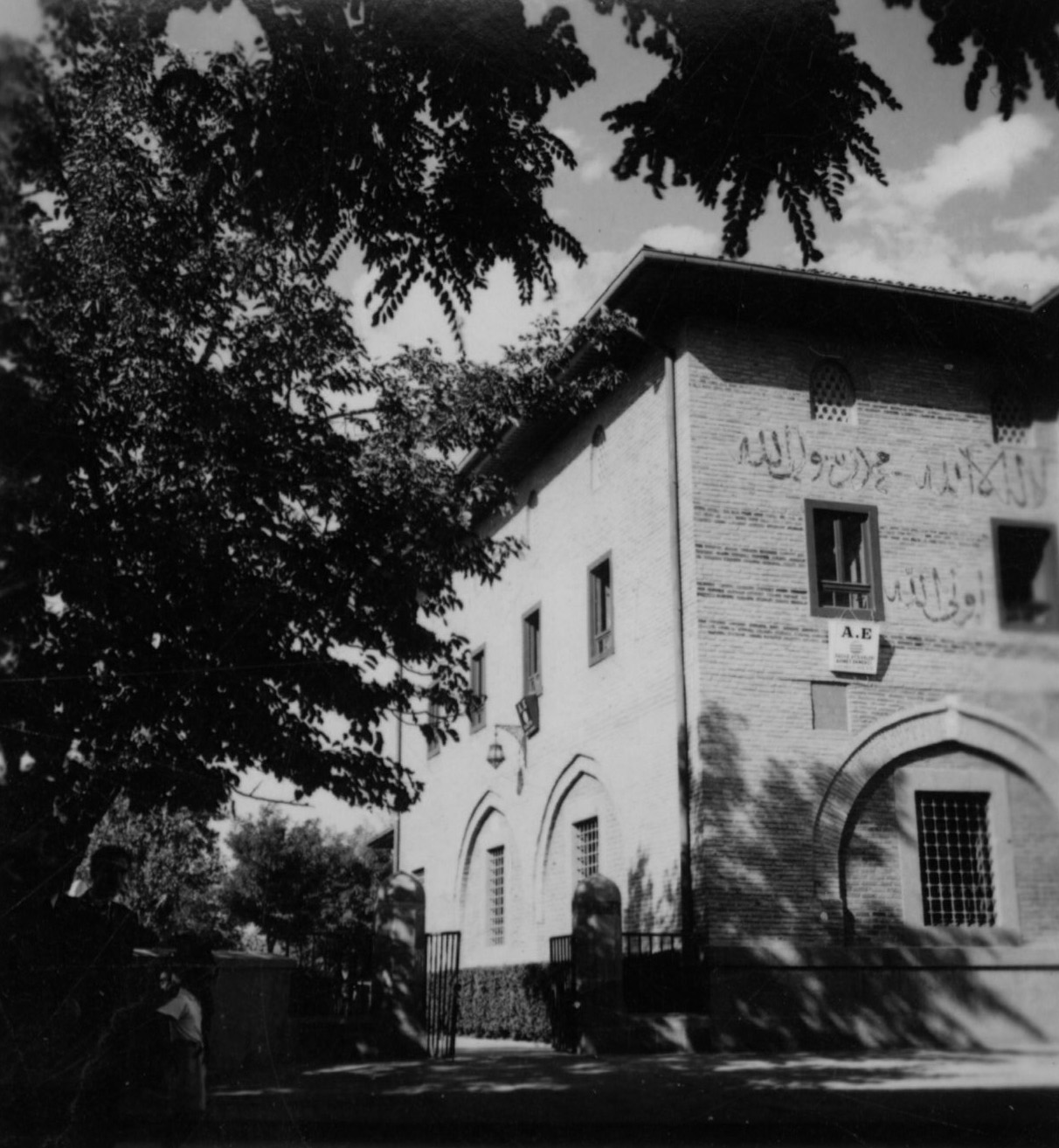
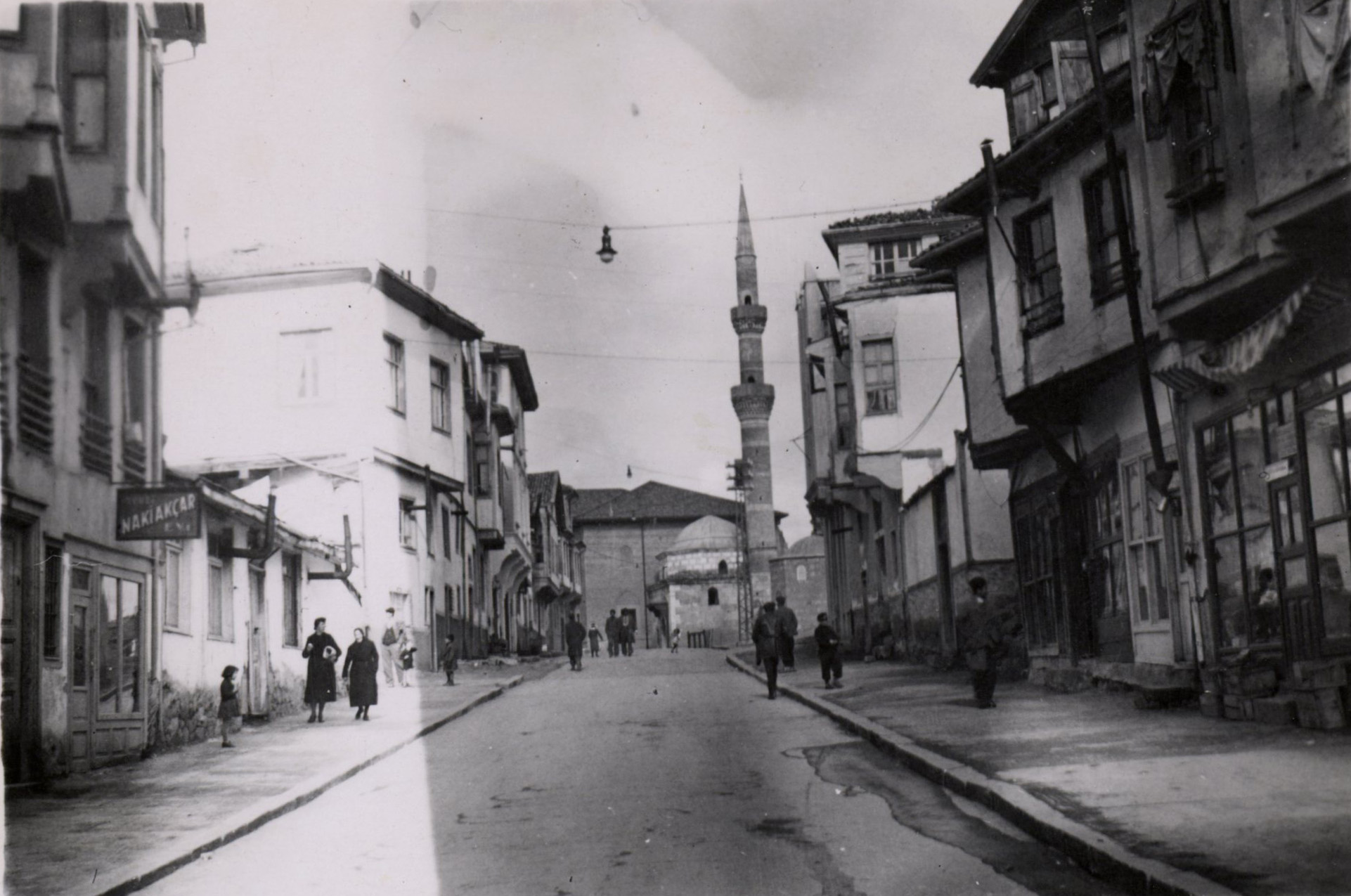
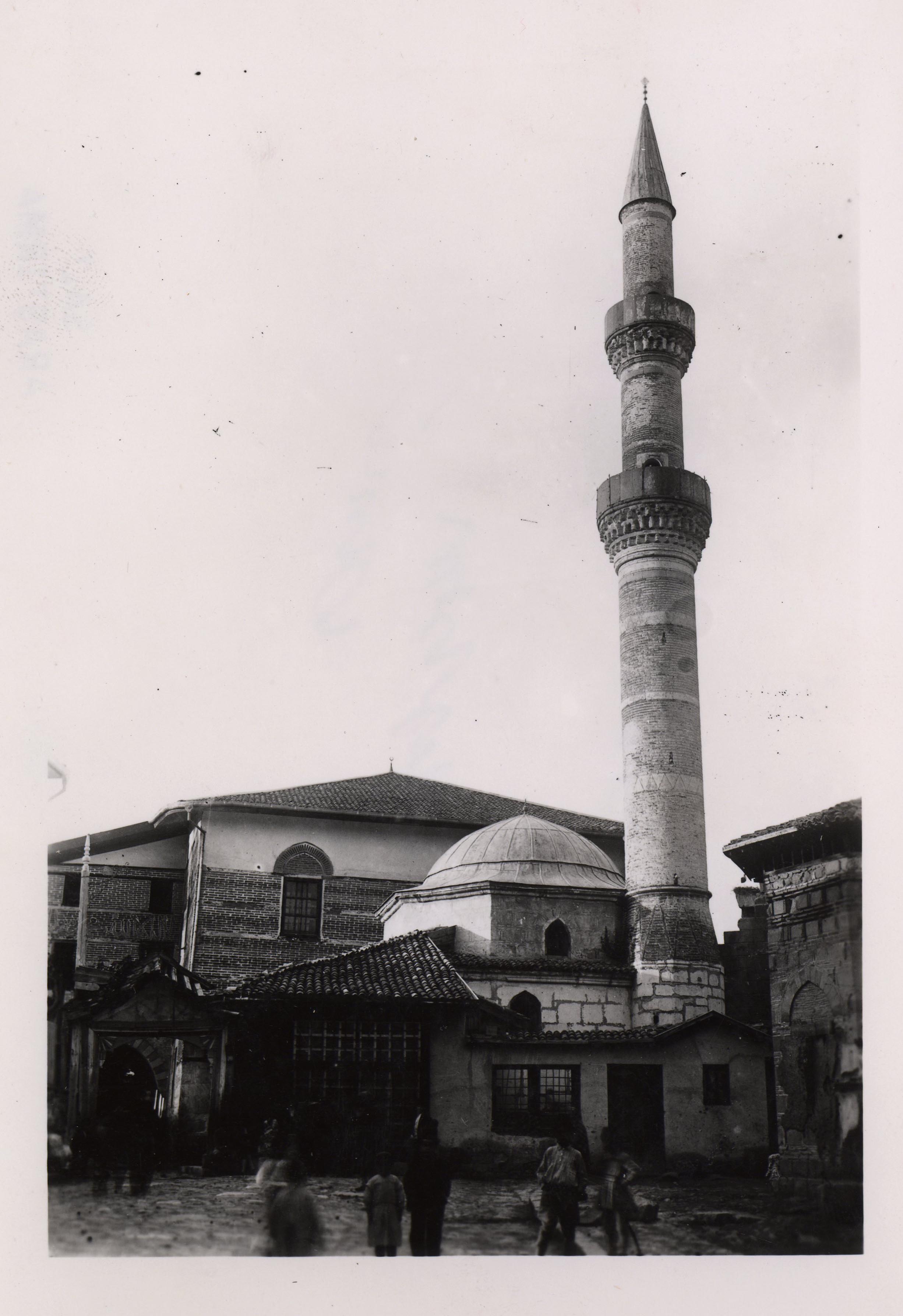
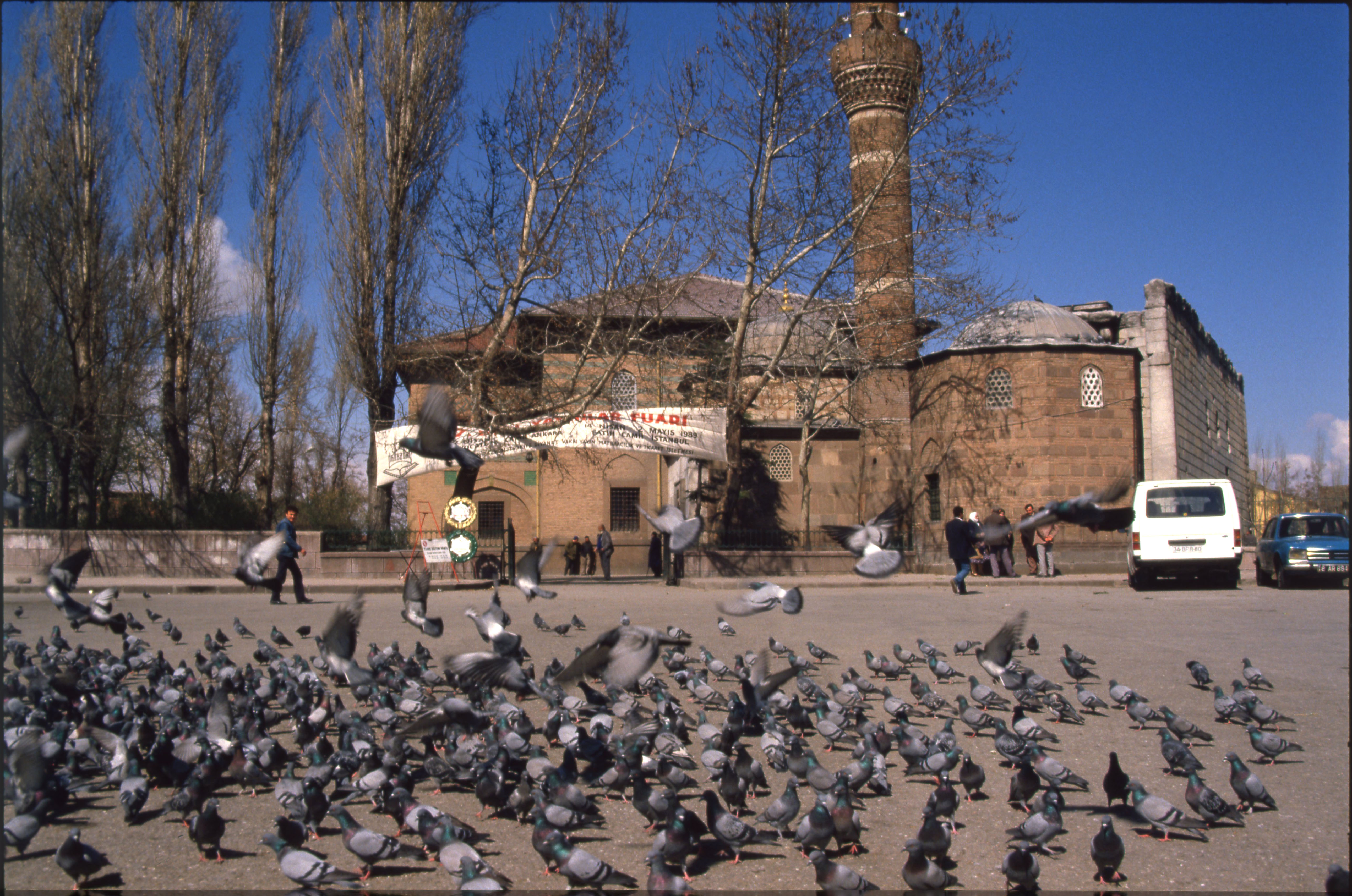
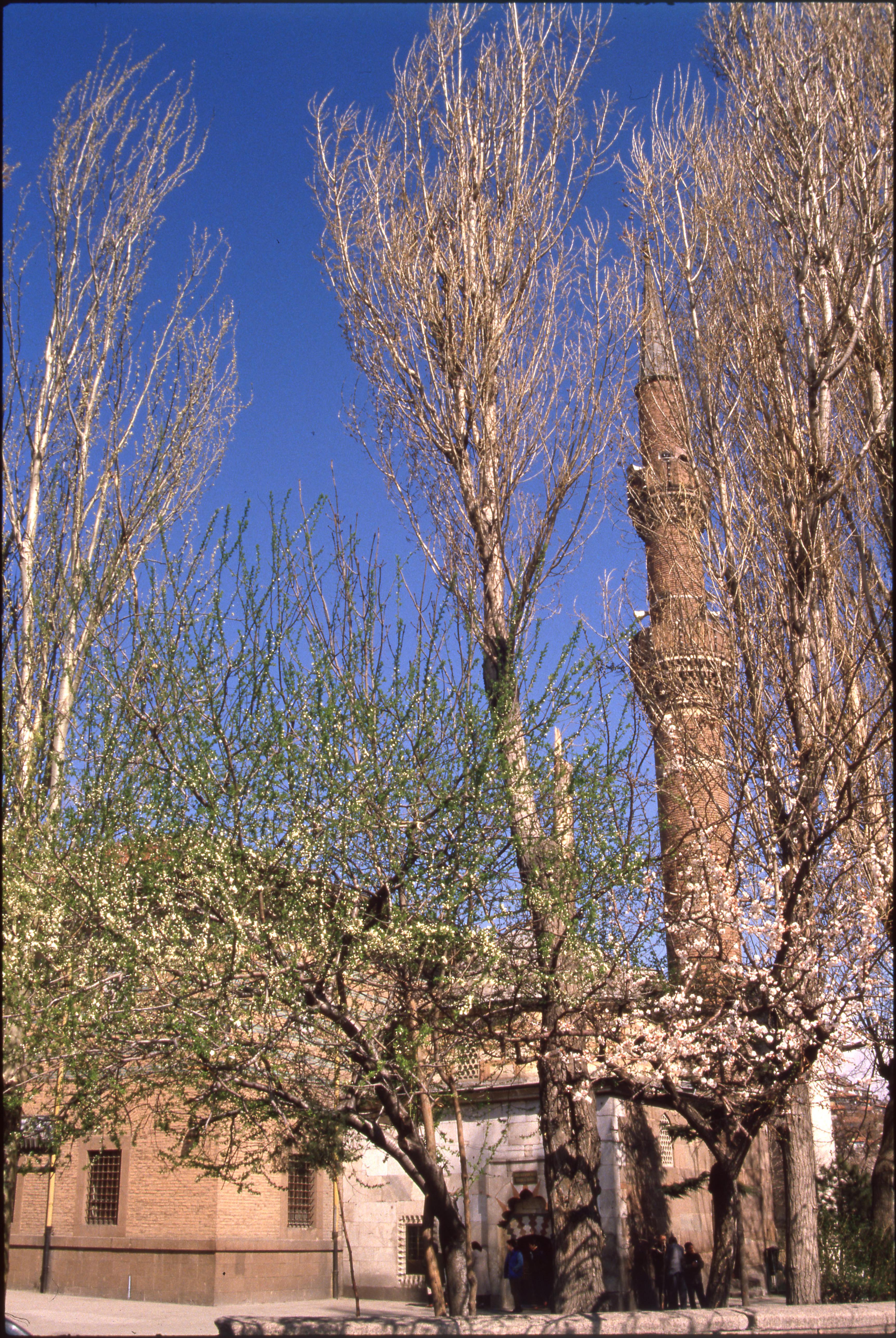
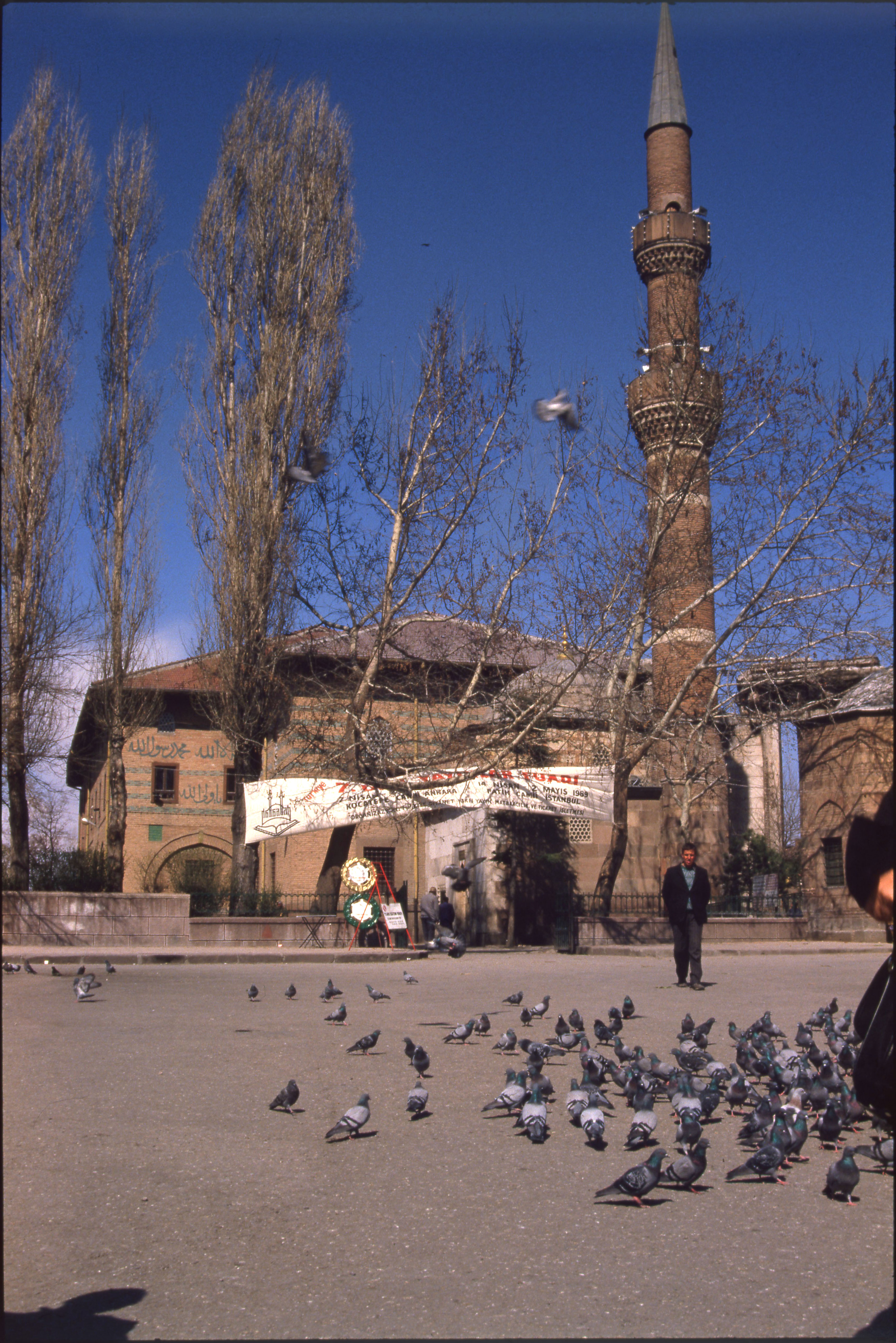
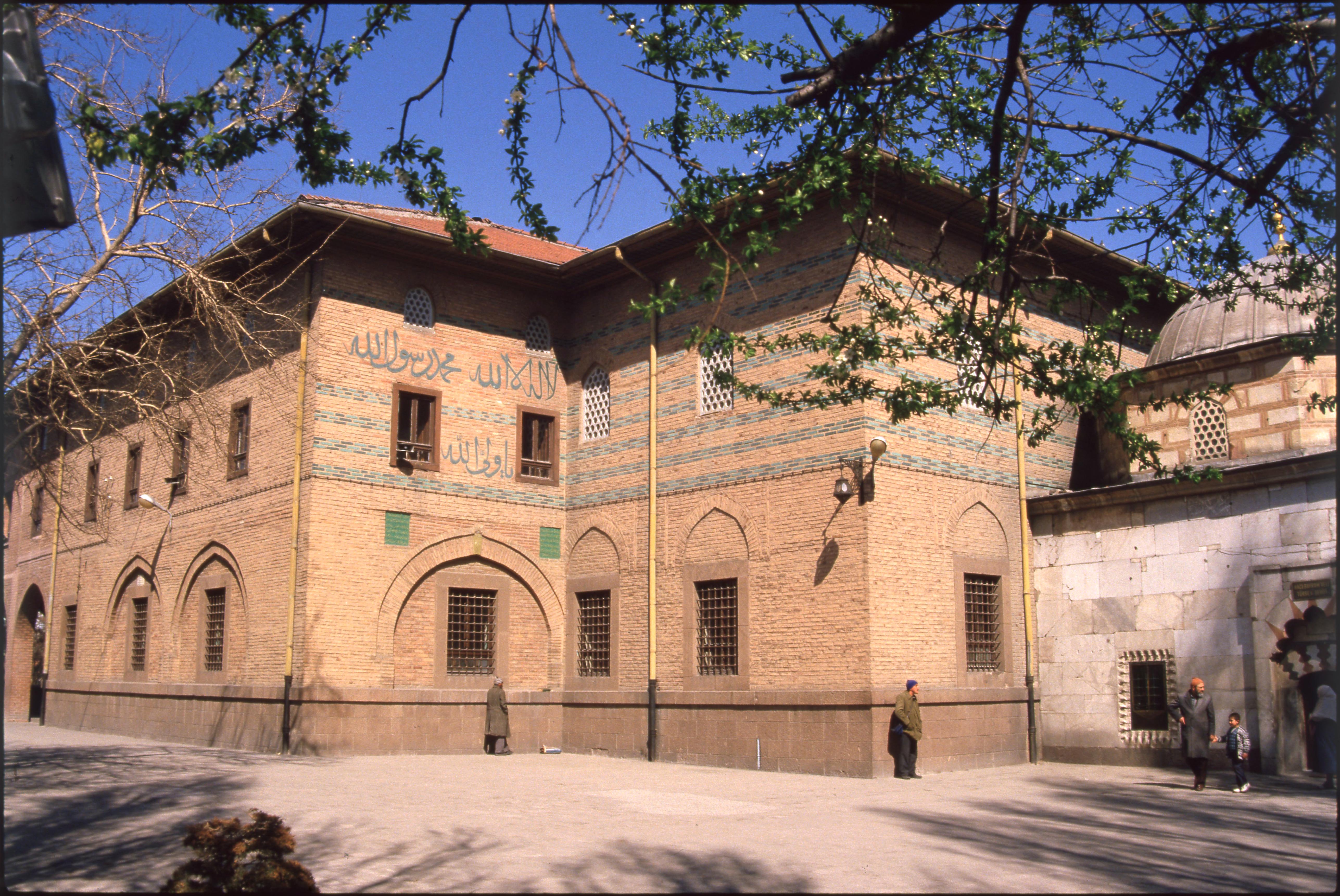
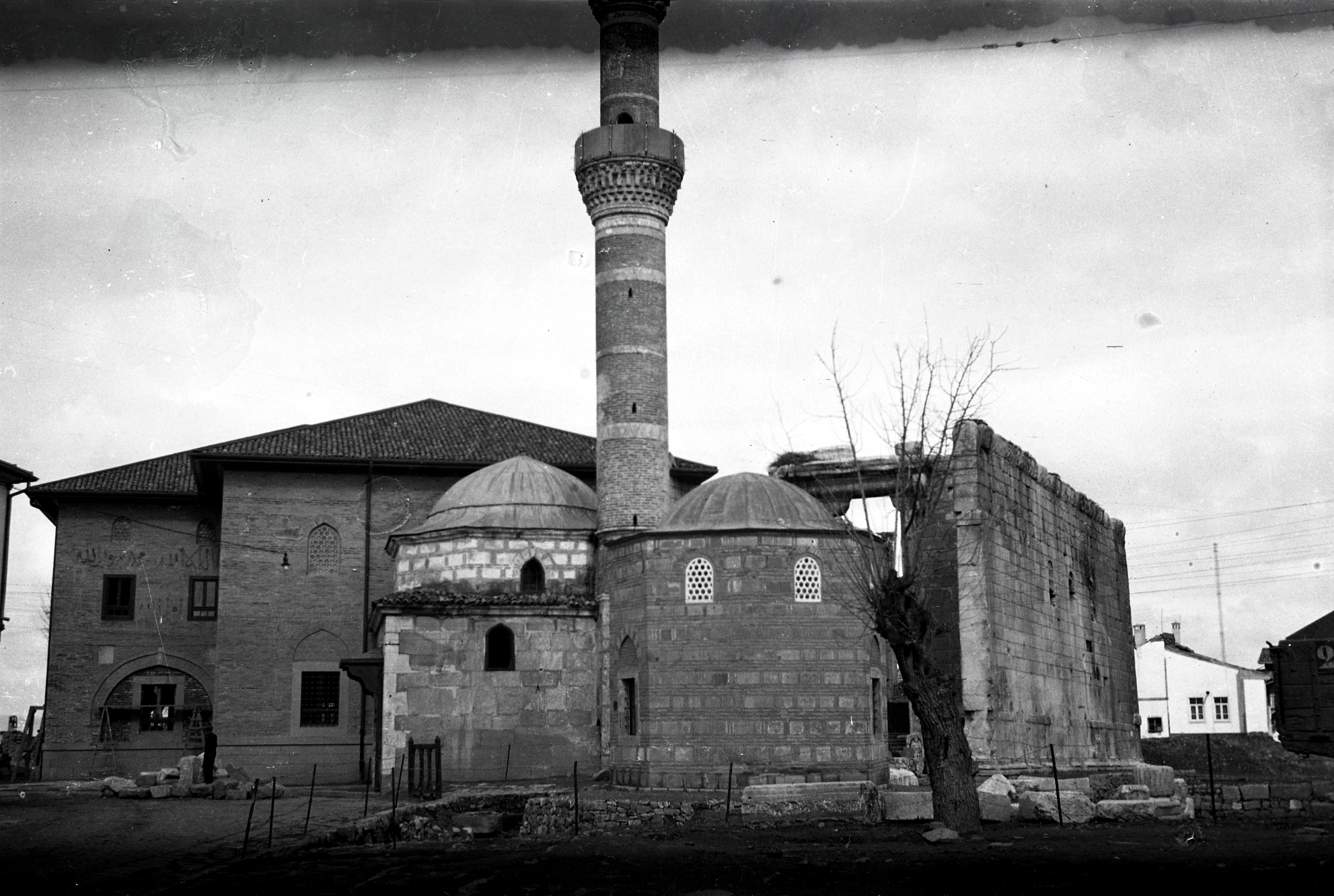
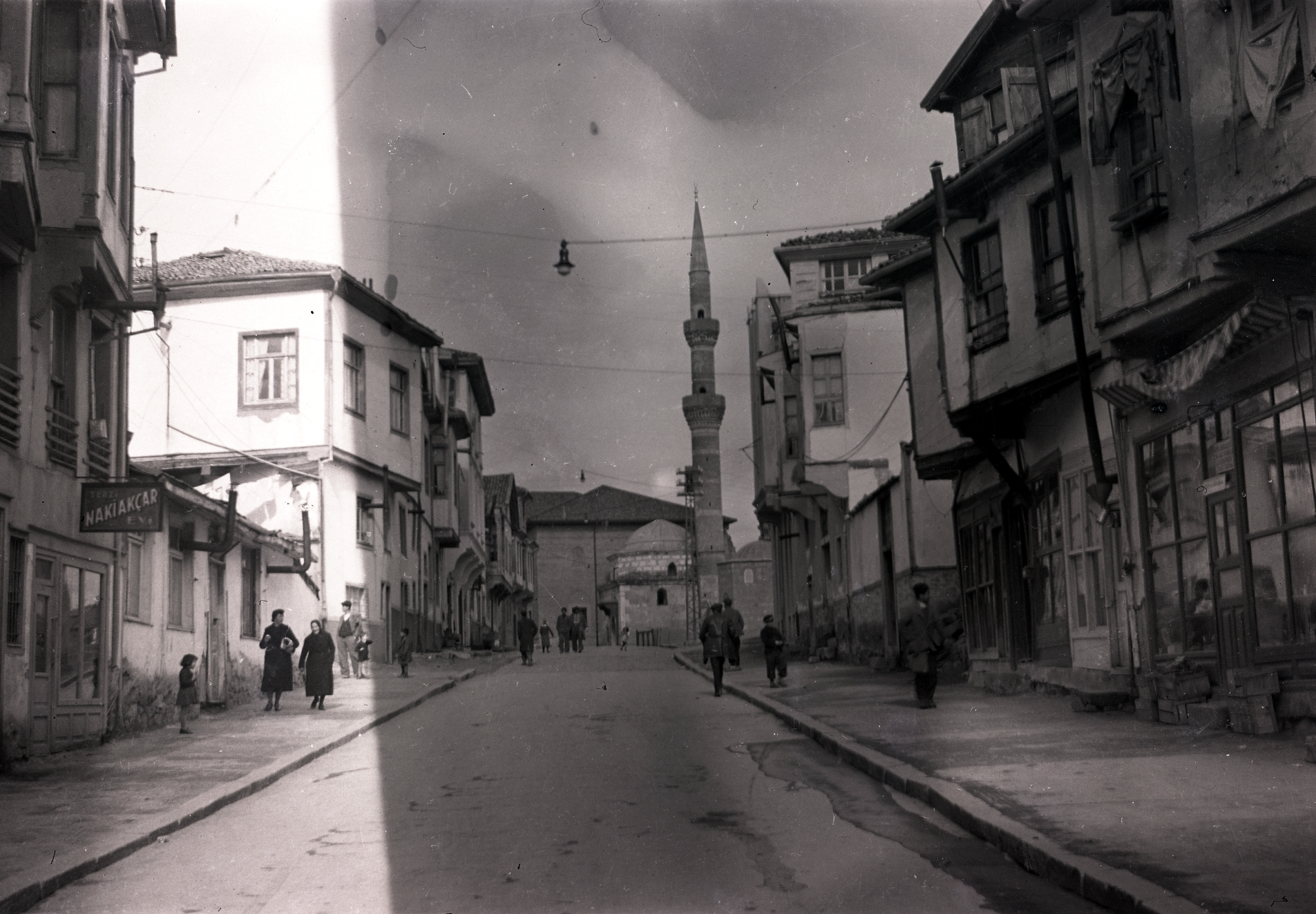
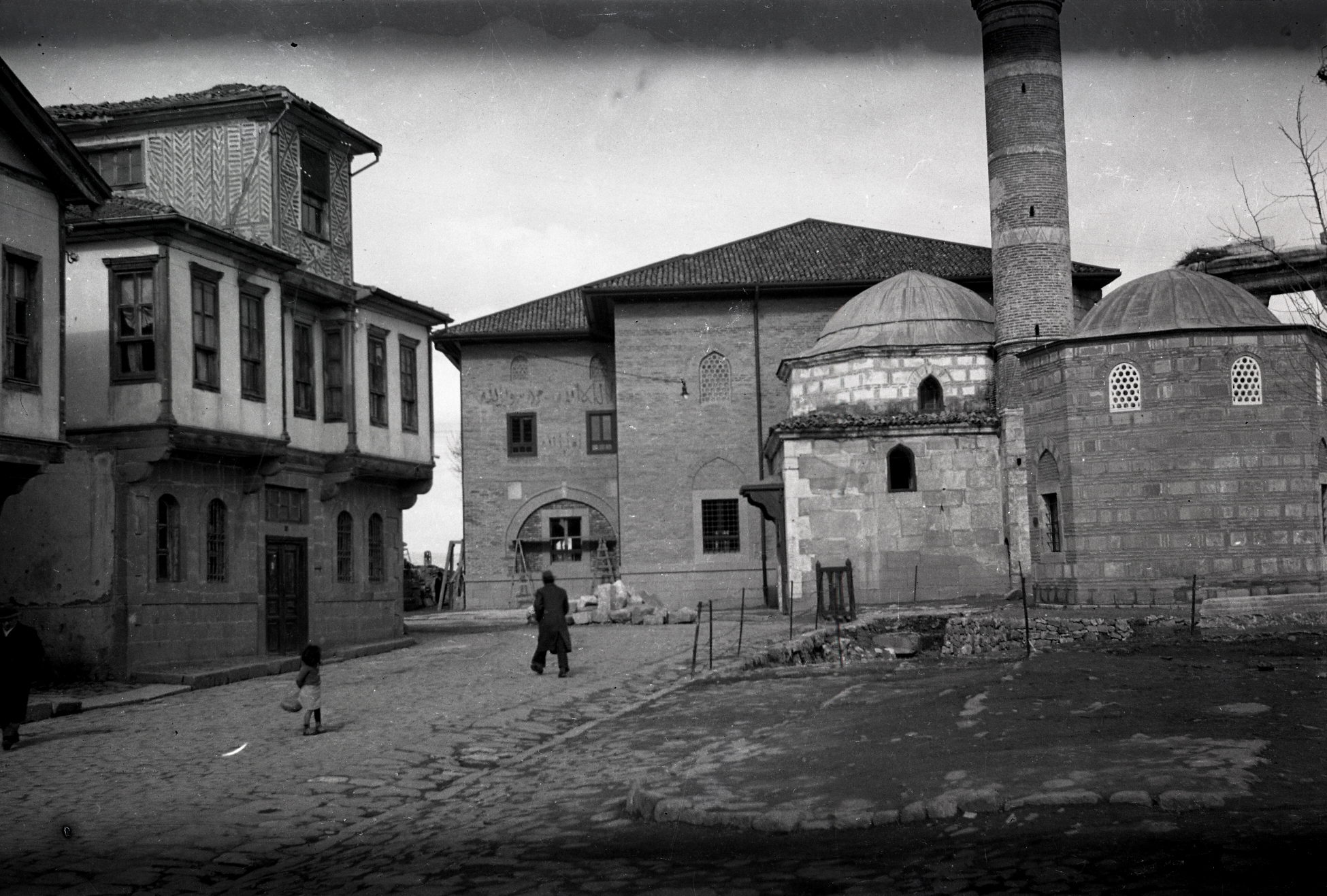
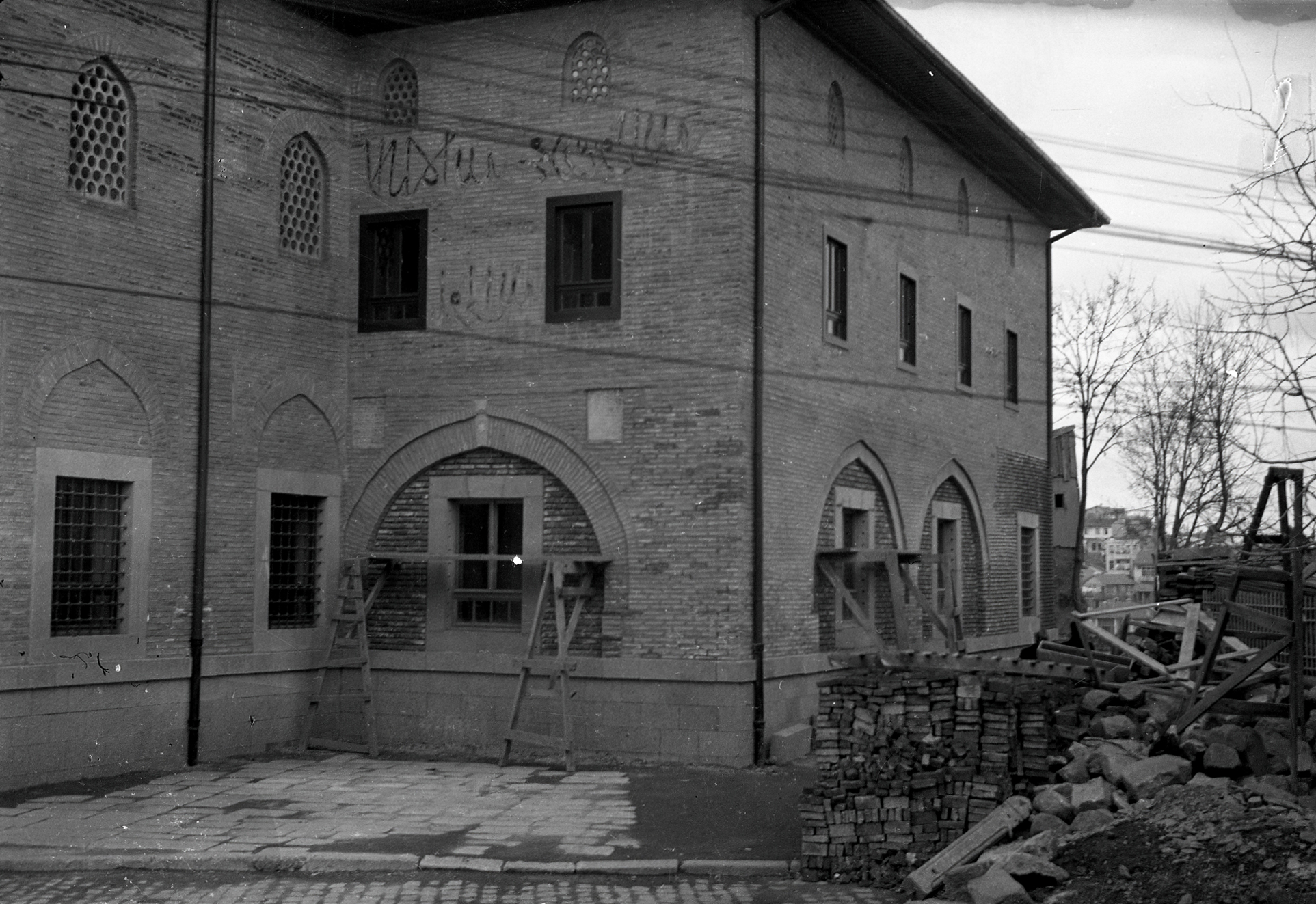
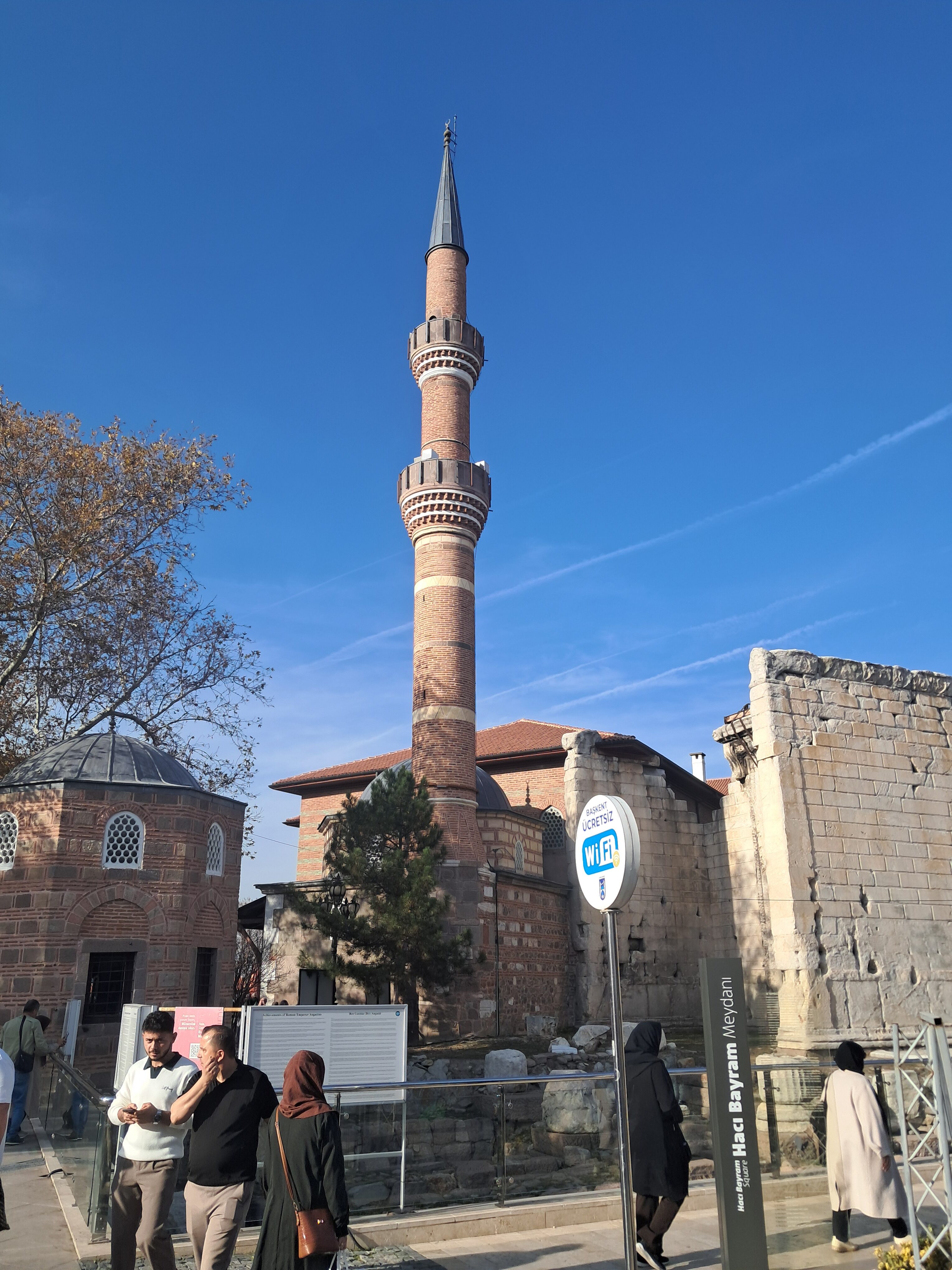
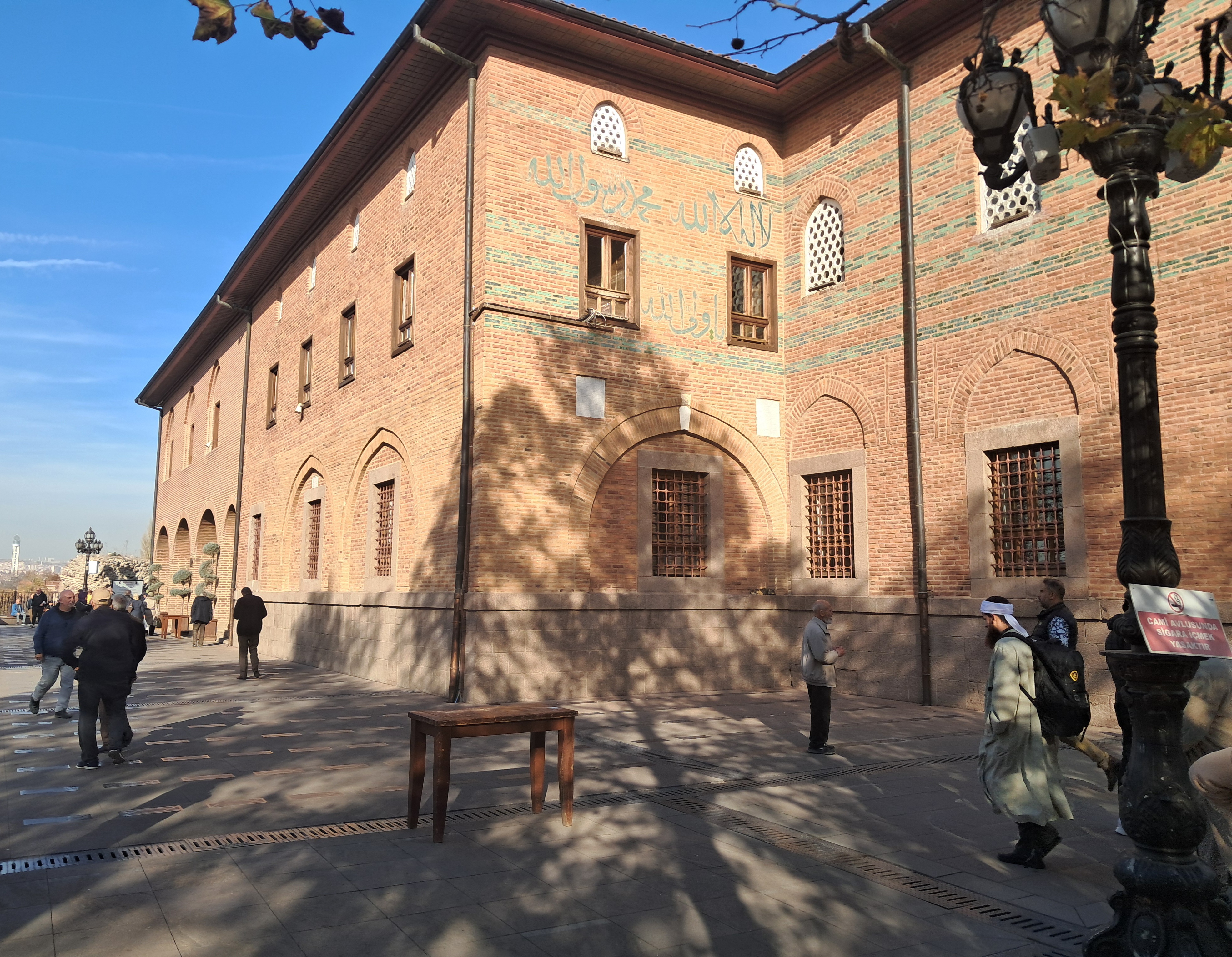
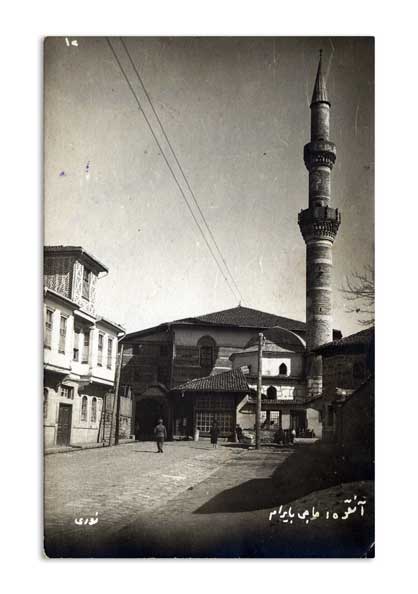
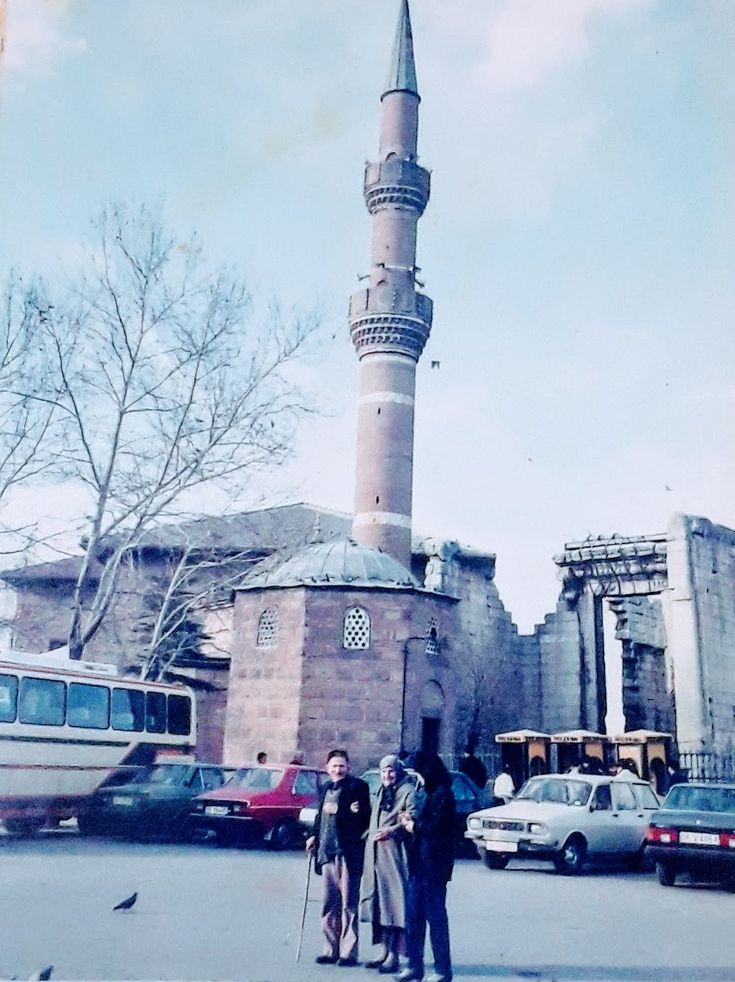
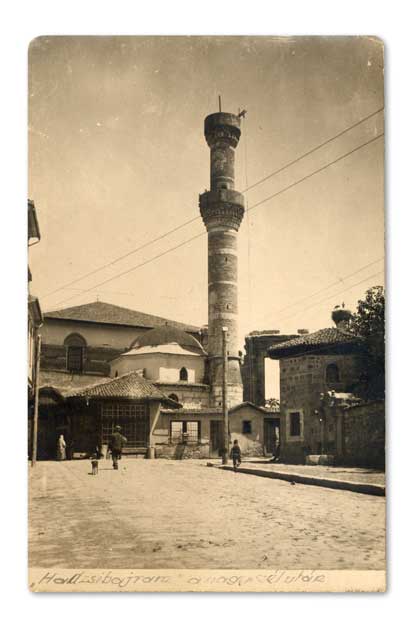
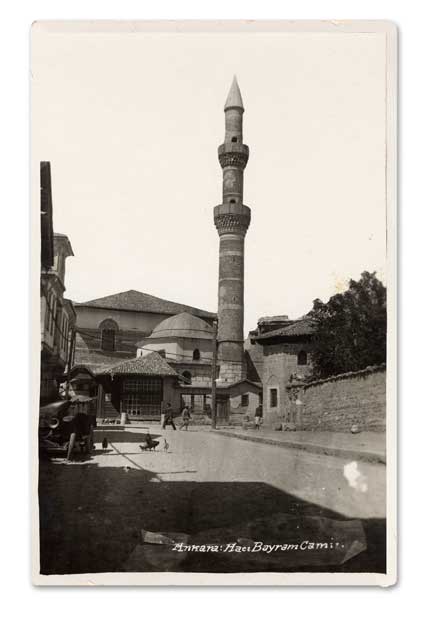
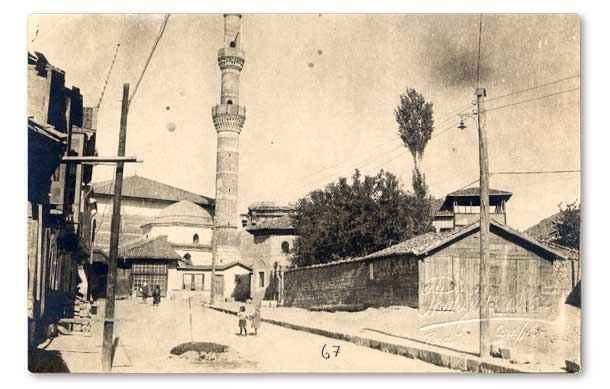
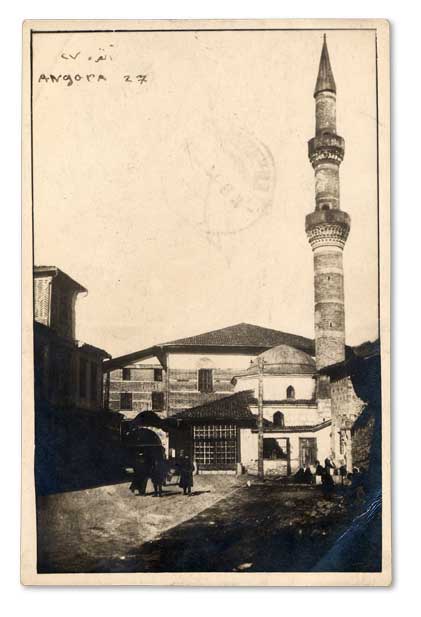
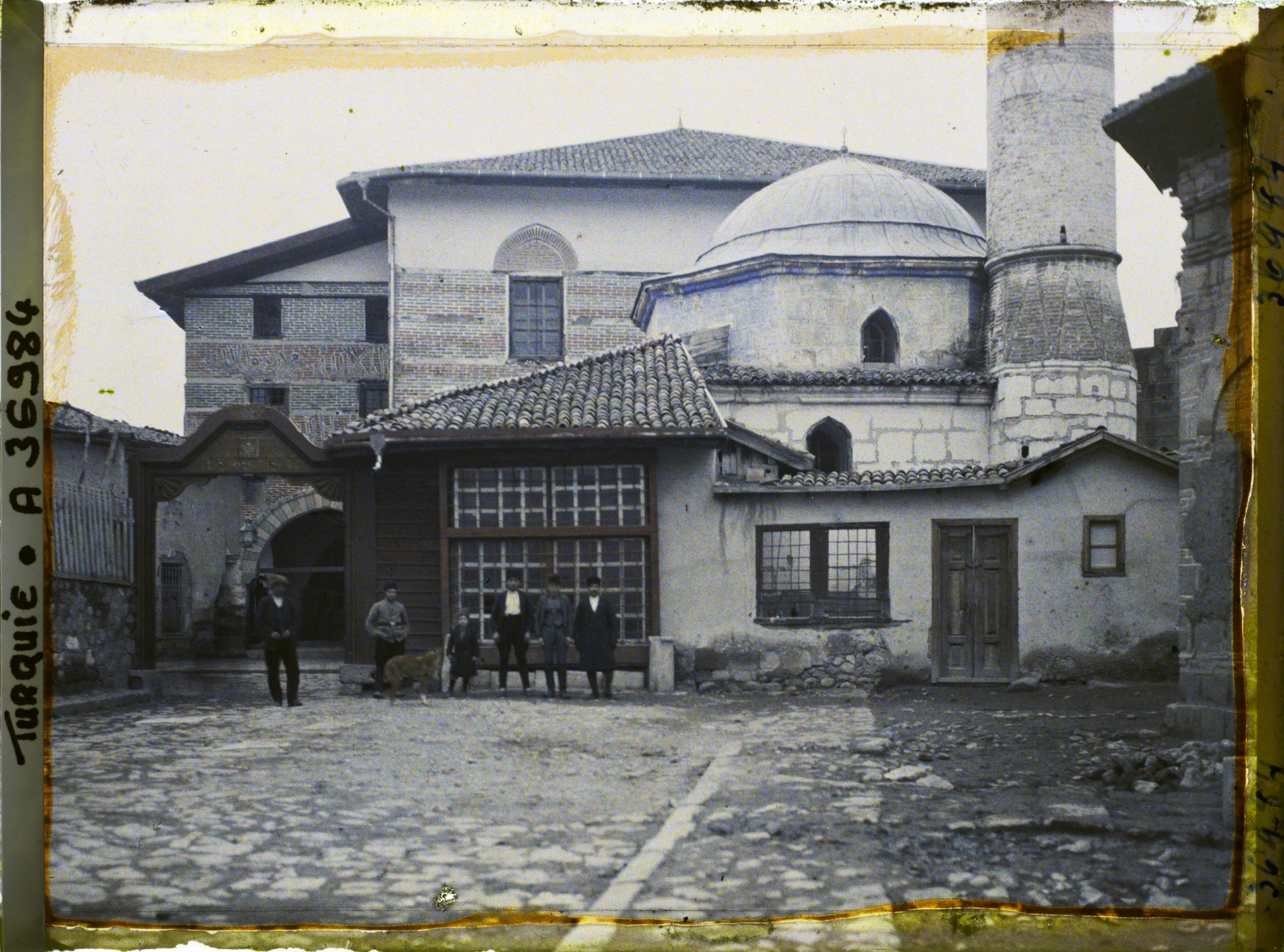
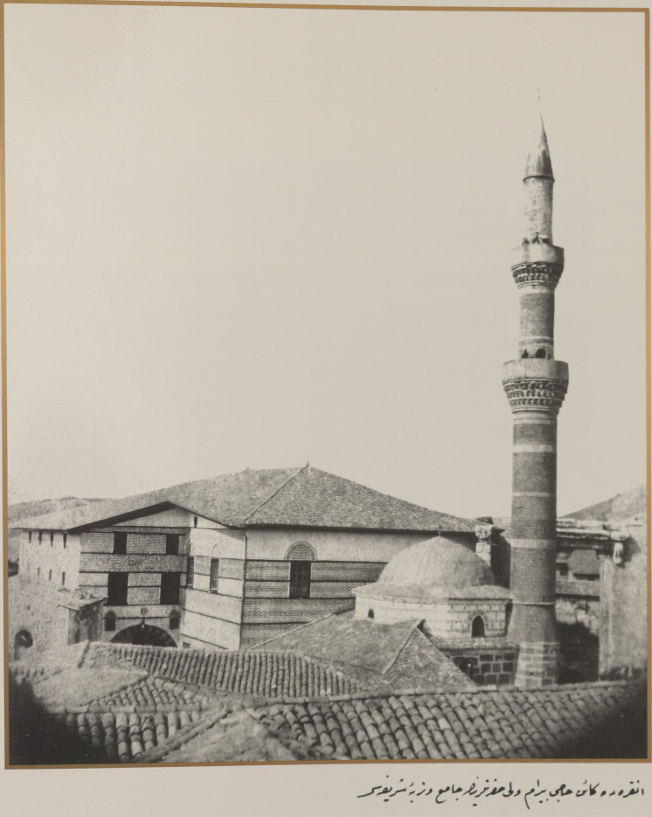
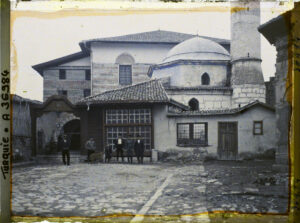
Evliyâ Çelebi Câmii’nin Mimar Sinan’ın eseri olduğunu söyler. Aynı iddia Charles Texier tarafından tekrar edilir. Ernest Mamboury ile Orhan Bayrak ise yapının 16. yüzyılda Sinan tarafından onarıldığını ileri sürerler. Ayrıca Mamboury minarede gözlenen zarif oranları da ona mal eder. Ancak söz konusu yapının Sinan tarafından tasarlanmış ya da 16. yüzyılda yenilenmiş olması kesinlikle imkânsızdır. Bir kere câmi, hemen bütünüyle tuğladan inşa edilmiş olmasıyla Ankara’ya özgü, yerel bir mimari geleneğe bağlanır. Ayrıca tasarımının ana hat-ları 15. yüzyılın ikinci çeyreğinin başlarında (Sinan’ın doğumundan en az elli yıl önce), mihrap, minber ve kalem işi bezemeler ise 18. yüzyıl başlarında (onun vefatından yüz yirmi küsur yıl sonra) şekillenmiştir. Bu arada Ankara’da Sinan’ın günümüze ulaşmış tek eseri olan ve dönemin klasik üslûbunu yansıtan 1565-66 tarihli Cenâbî Ahmed Paşa Câmii ile Hacı Bayrâm-ı Velî Câmii arasında herhangi bir benzerlik bulmak mümkün değildir. Nitekim Sinan’ın eserlerinin dökümünü içeren tezkirelerde Hacı Bayrâm-ı Velî Câmii’nin adı geçmediği gibi bu iddiayı destekleyen hiçbir belge de bulunmamaktadır. Kaldı ki Sinan, kendi hassa baş mimarlığı sırasında önemli onarımlar geçiren, Bağdat’taki İmâm-ı Âzam ve Abdülkâdir Geylânî câmiileri gibi, ancak uzaktan denetleyebildiği mimarlık faaliyetlerini, yapıların mânevî prestijinden dolayı tezkirelerindeki listelere almayı ihmal etmemiştir. Diğer taraftan Ankara’nın Türk dönemine ait kitabelerini derlemiş olan Mübârek Gâlib’in neşrettiği, kısmen okunabilen Arapça bir kitabede yalnızca mi-narenin Muhammed ibn Ebûbekir el-Hemedanî adında bir mimar tarafından yenilendiği belirtilmekte, ancak bu yenilemenin tarihi tespit edilememektedir. Kitabenin tarihsiz olması ya da tarih ibaresinin okunamamış olması söz konu-sudur. Günümüzde nerede bulunduğu bilinmeyen bu kitabe Mamboury, Akok ve Bayrak gibi bazı müelliflerce yanlış yorumlanmış, bütün câminin tasarımı adı geçen mimara maledilmiştir. Halbuki câmi kitlesinden tamamen bağımsız olarak türbenin güneydoğu köşesinde yükselen minarenin, câmiden kısa bir süre sonra inşa edilmiş olan türbeden bile daha sonra yaptırıldığı anlaşılmaktadır. Bu arada Ekrem Hakkı Ayverdi’nin haklı olarak işaret ettiği üzere, söz konusu minarenin, ancak selâtin câmilerinin minarelerine özgü bir ayrıcalık olan iki şerefeyle donatılmış olması dikkat çekicidir. Bu husus Osmanlı hanedanının Hacı Bayrâm-ı Velî’ye duyduğu büyük saygıyla açıklanabileceği gibi, minarenin bizzat bir padişah tarafından ilave edilmiş olması ihtimali de ileri sürülebilir. Câminin geçirmiş olduğu iki önemli onarımdan ilki, III. Ahmed döneminde, 1126/1714 yılında, tekkenin o tarihteki postnişini Şeyh Mehmed Baba tarafından gerçekleştirilmiştir. Bu meyanda harîmin kuzeyindeki fevkânî mahfilin, kemerler üzerinde batıya doğru genişletildiği, ayrıca mihrabın, minberin ve harimdeki süslemenin de yenilendiği anlaşılıyor. Harîmin batı yönünde çıkıntı yapan fevkânî mahfilin kıble cephesindeki iki kitabenin belgelediği bu onarımın oldukça geniş kapsamlı tutulduğu söylenebilir. Sülüs hatlı manzum kitabelerden sağdaki Türkçe, soldaki Arapça’dır. Çıkmanın cephesine üç sıra yeşil sırlı tuğladan hatıllar konmuştur. Daha yukarıda yer alan pencere sıralarının arasında yeşil çiniyle yazılmış celî sülüs bir Kelime-i Tevhid çıkmanın bütün cephesi boyunca devam eder. Alt sıradaki iki pencerenin arasında da aynı türde yazılmış olan “Yâ Velîyullah” ibaresi bulunur.
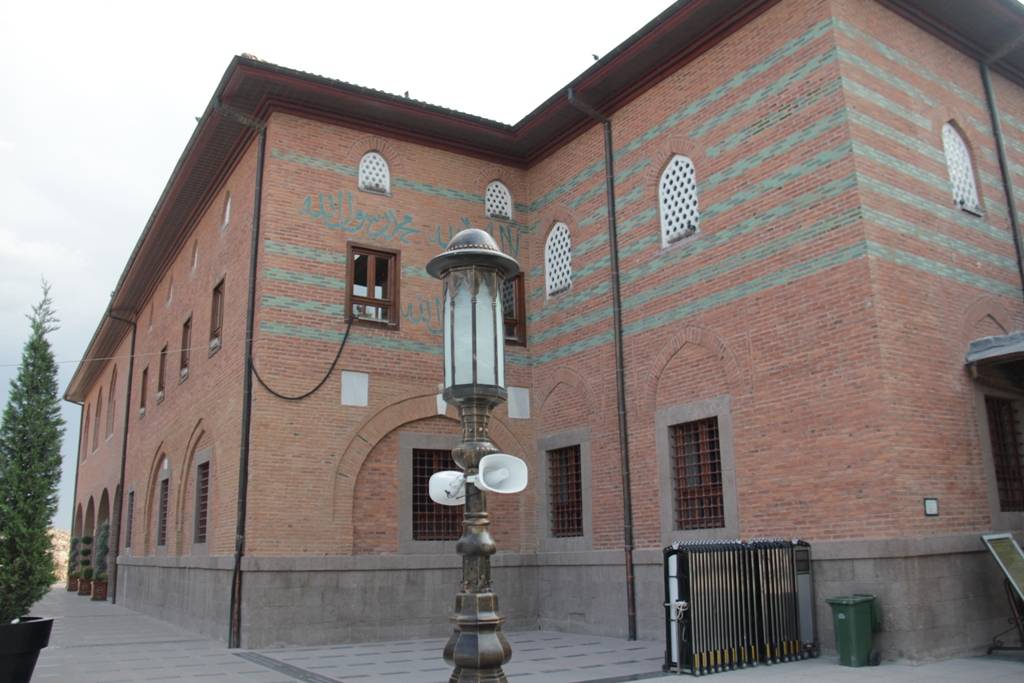
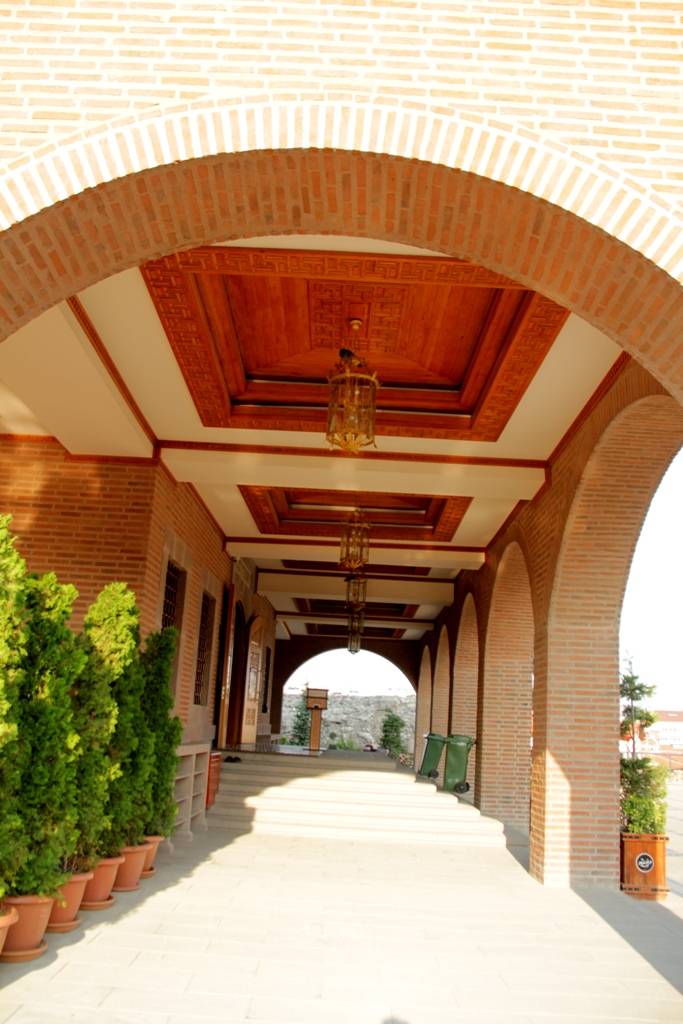
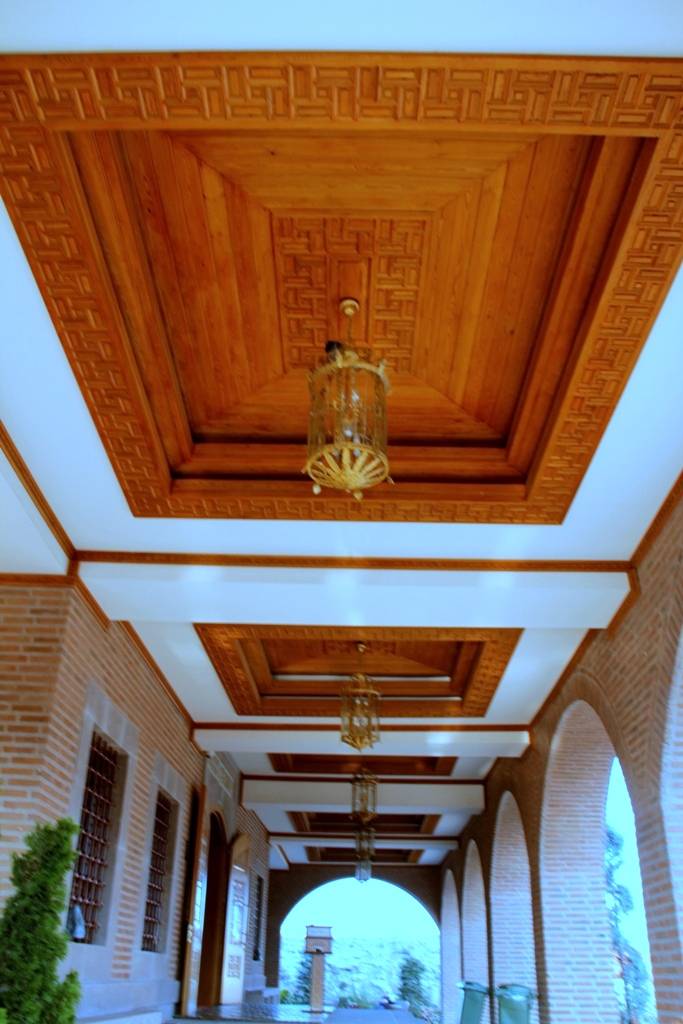
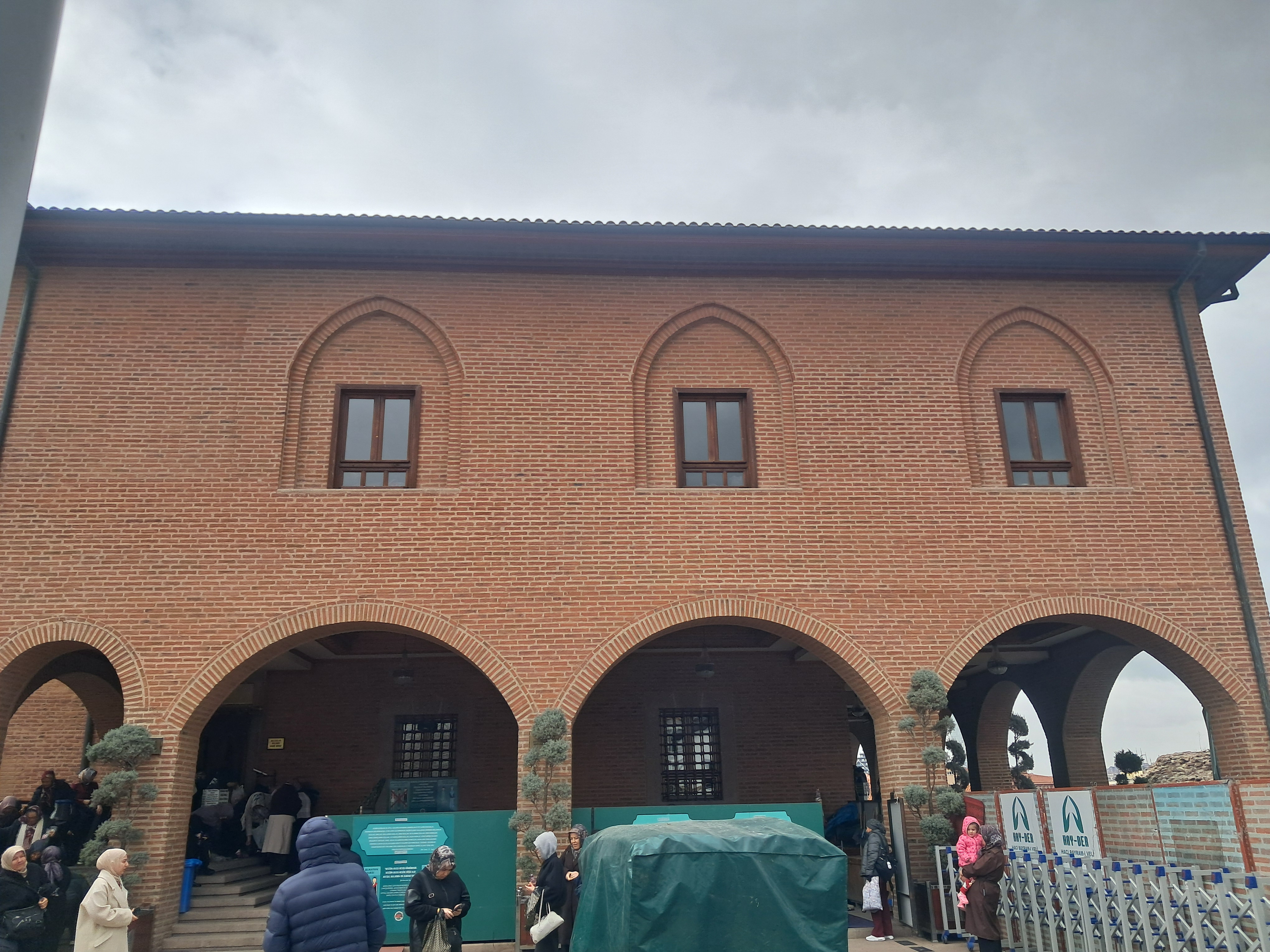
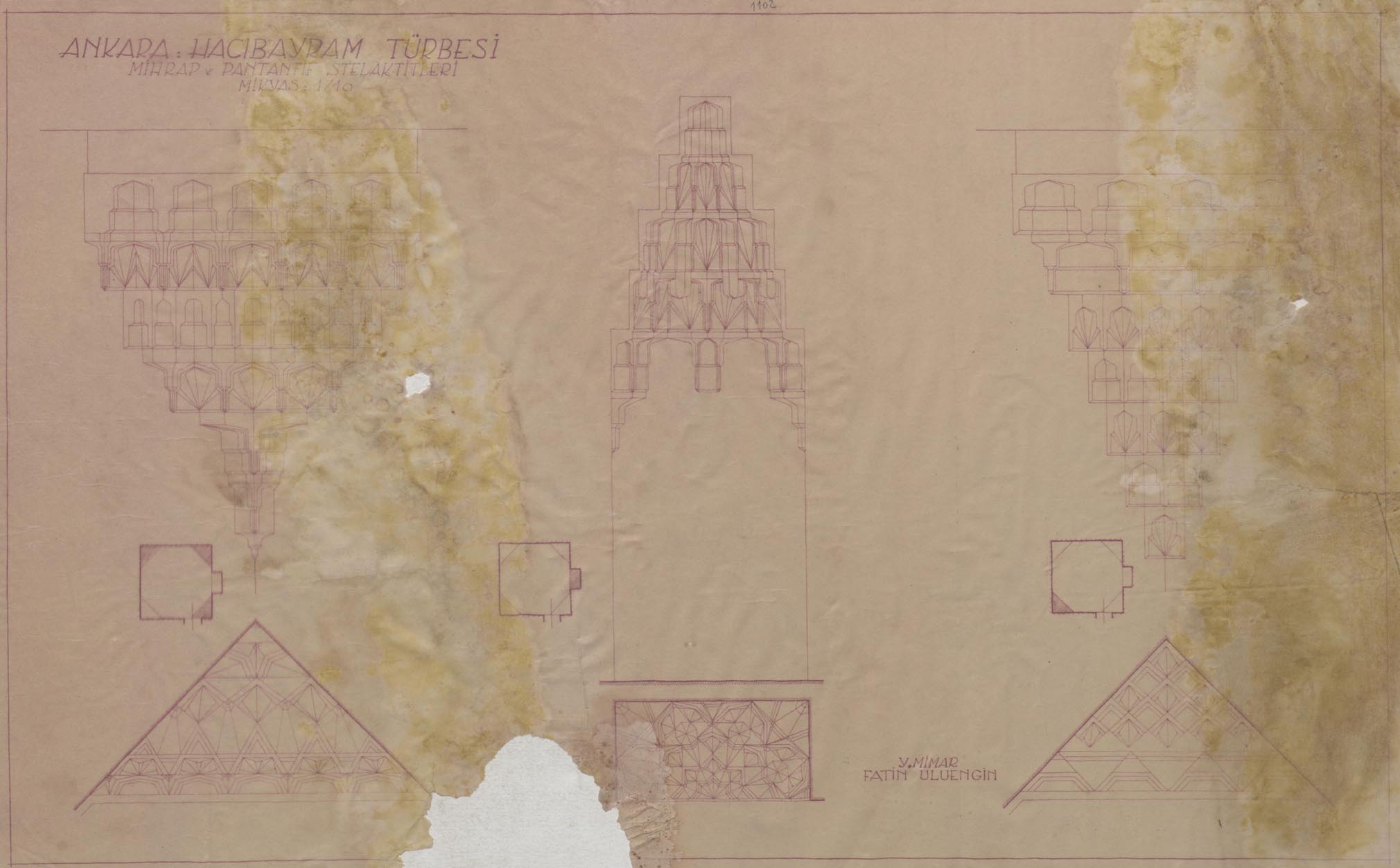
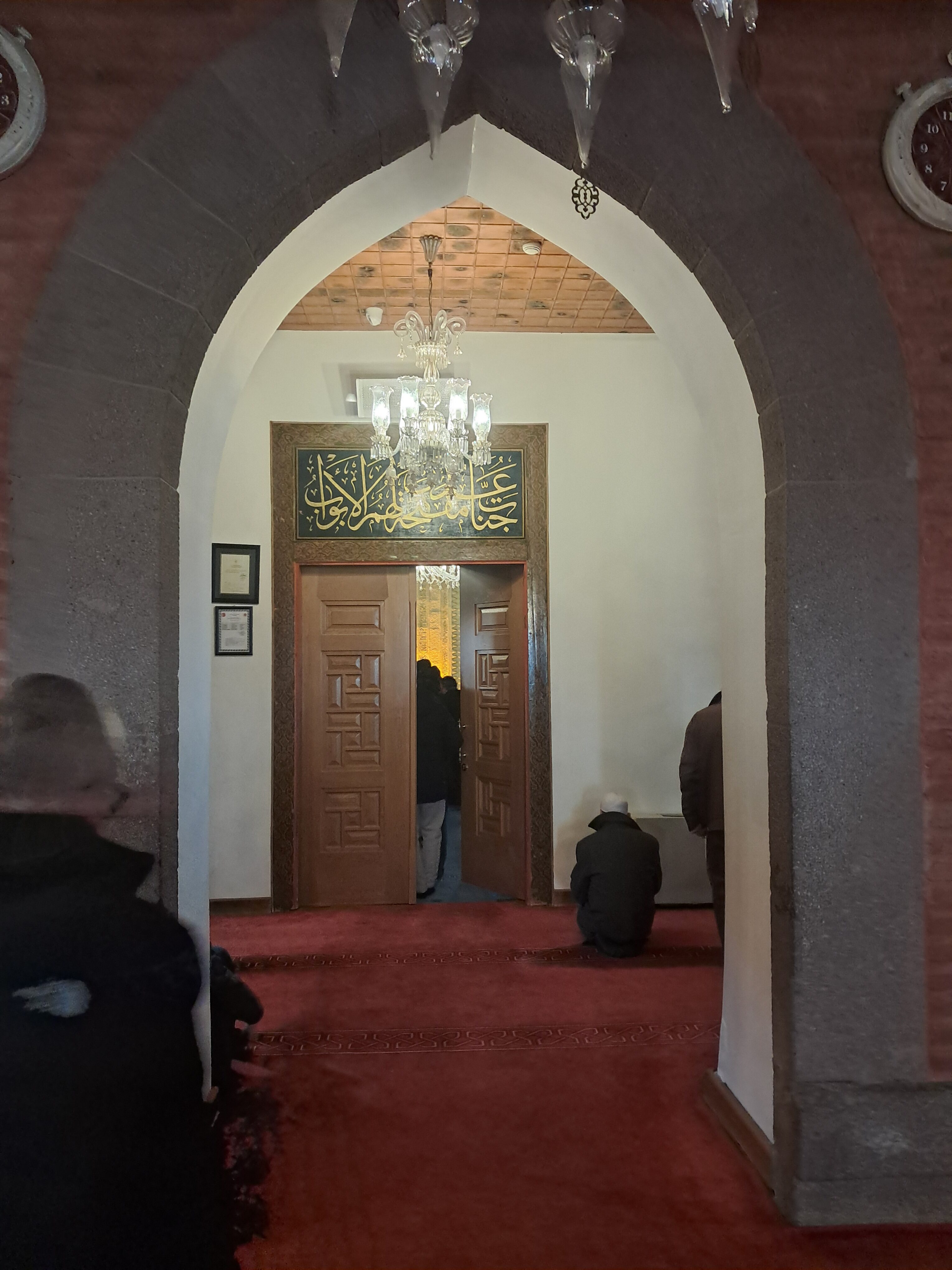
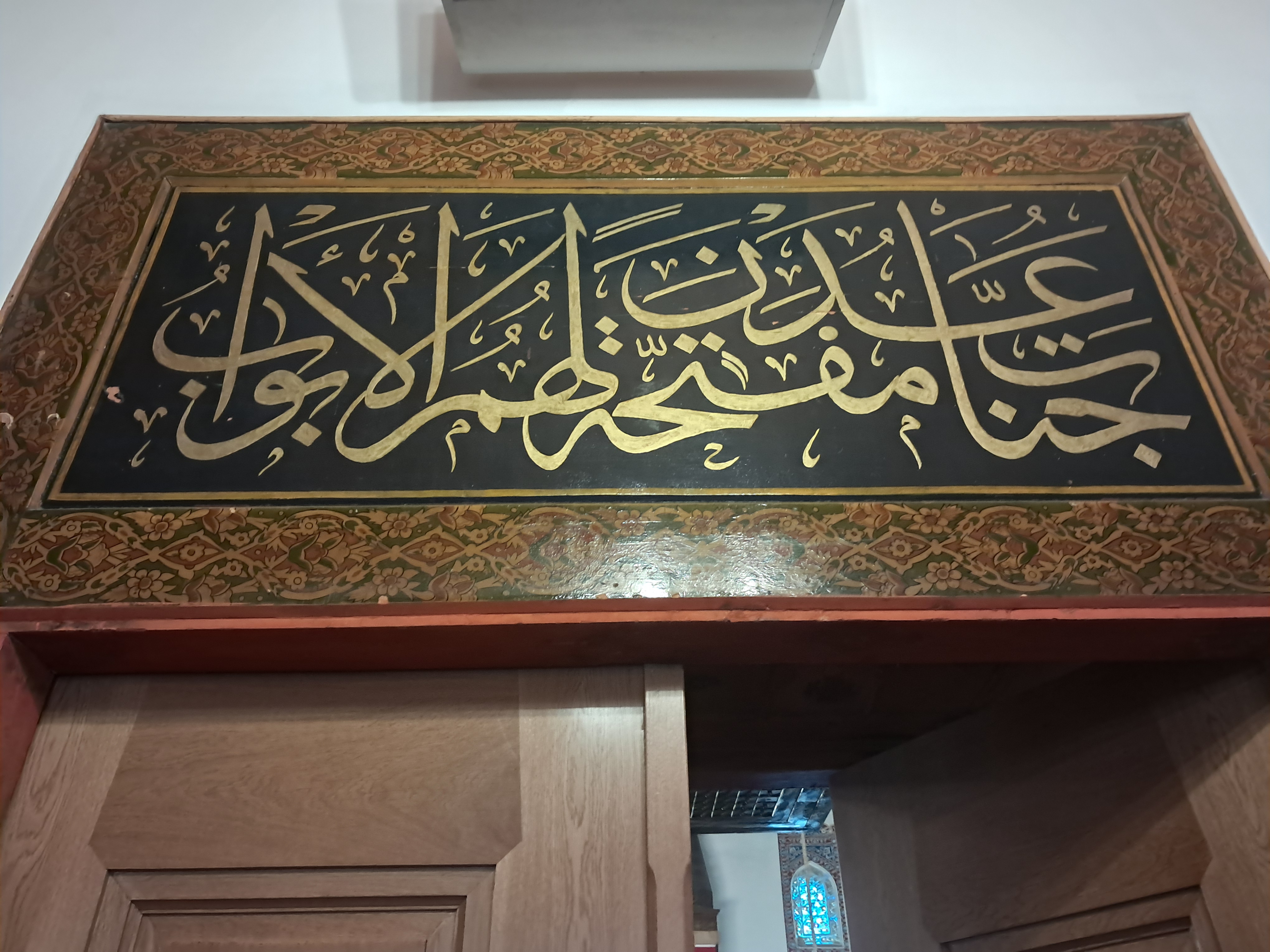
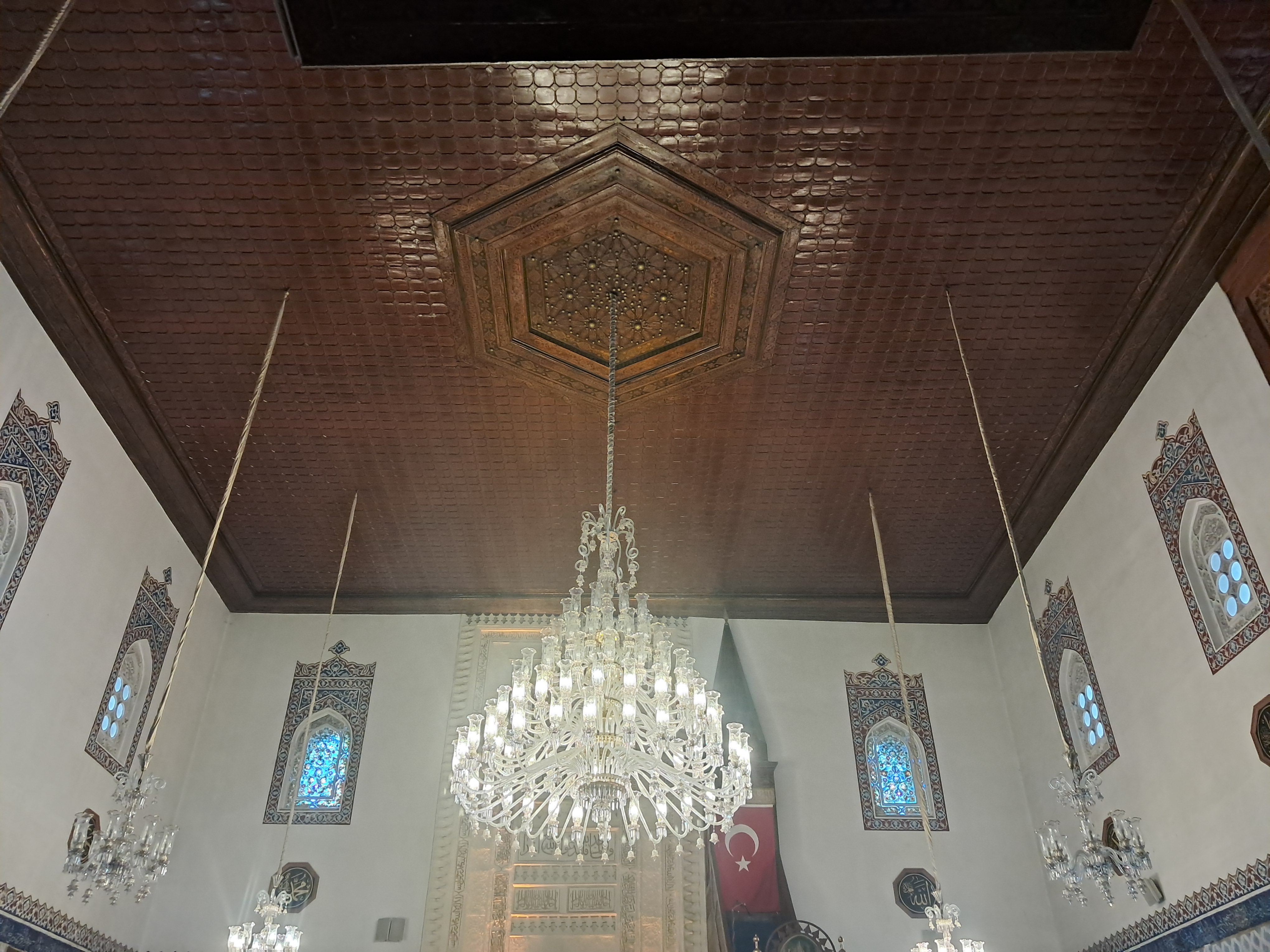
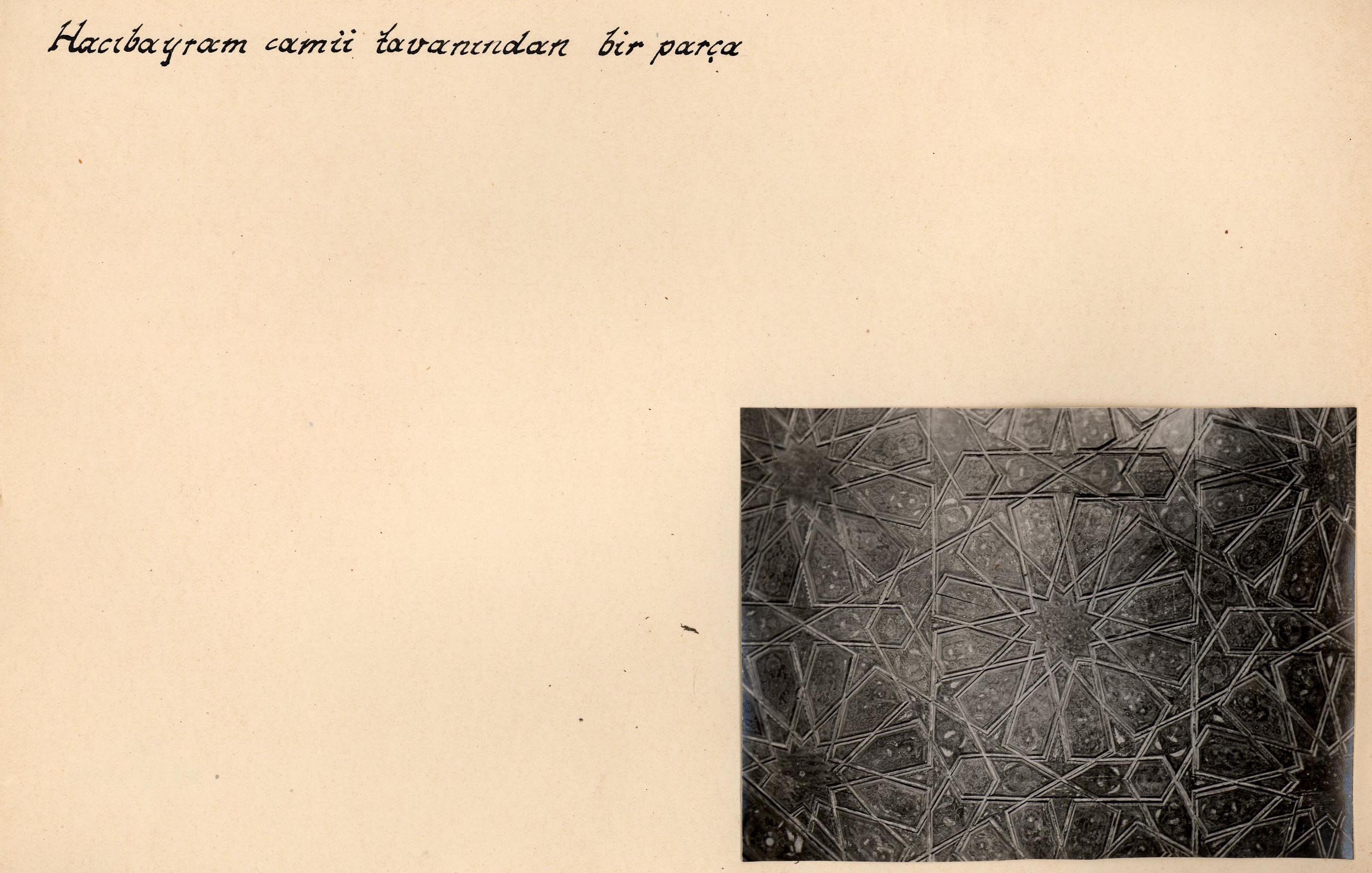
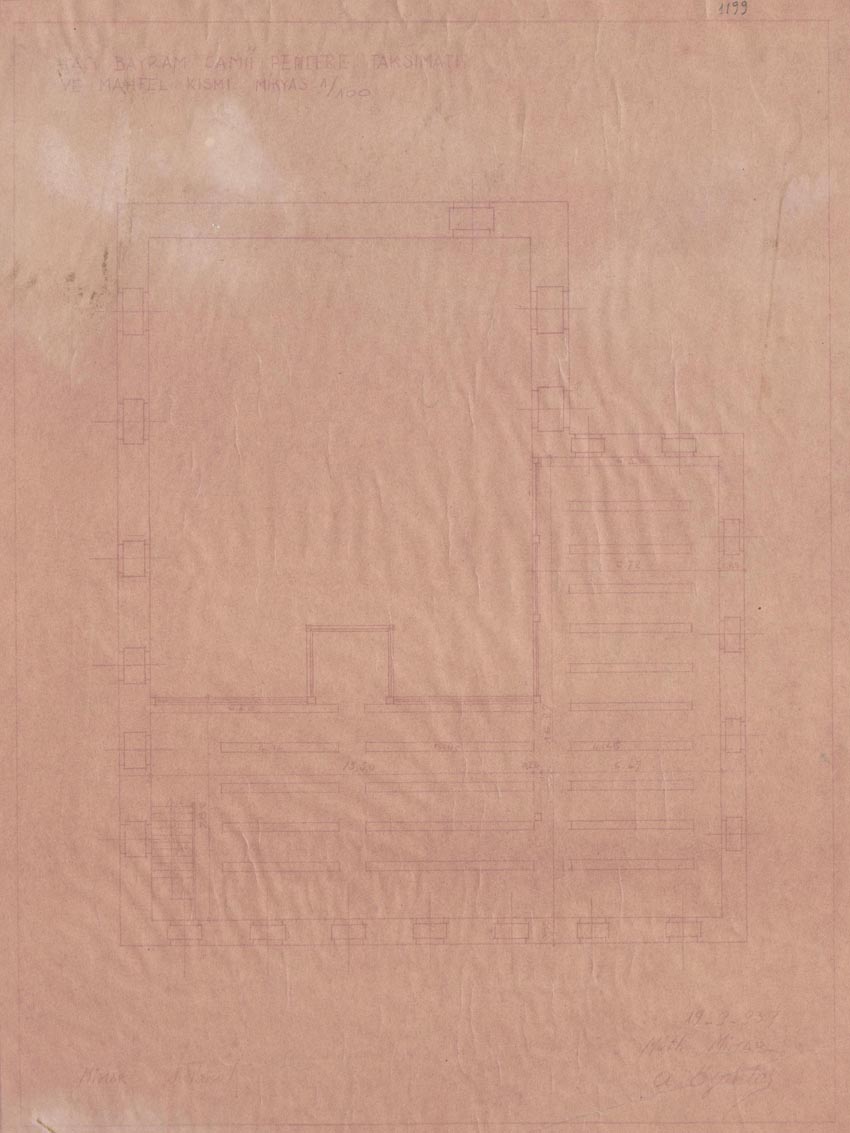
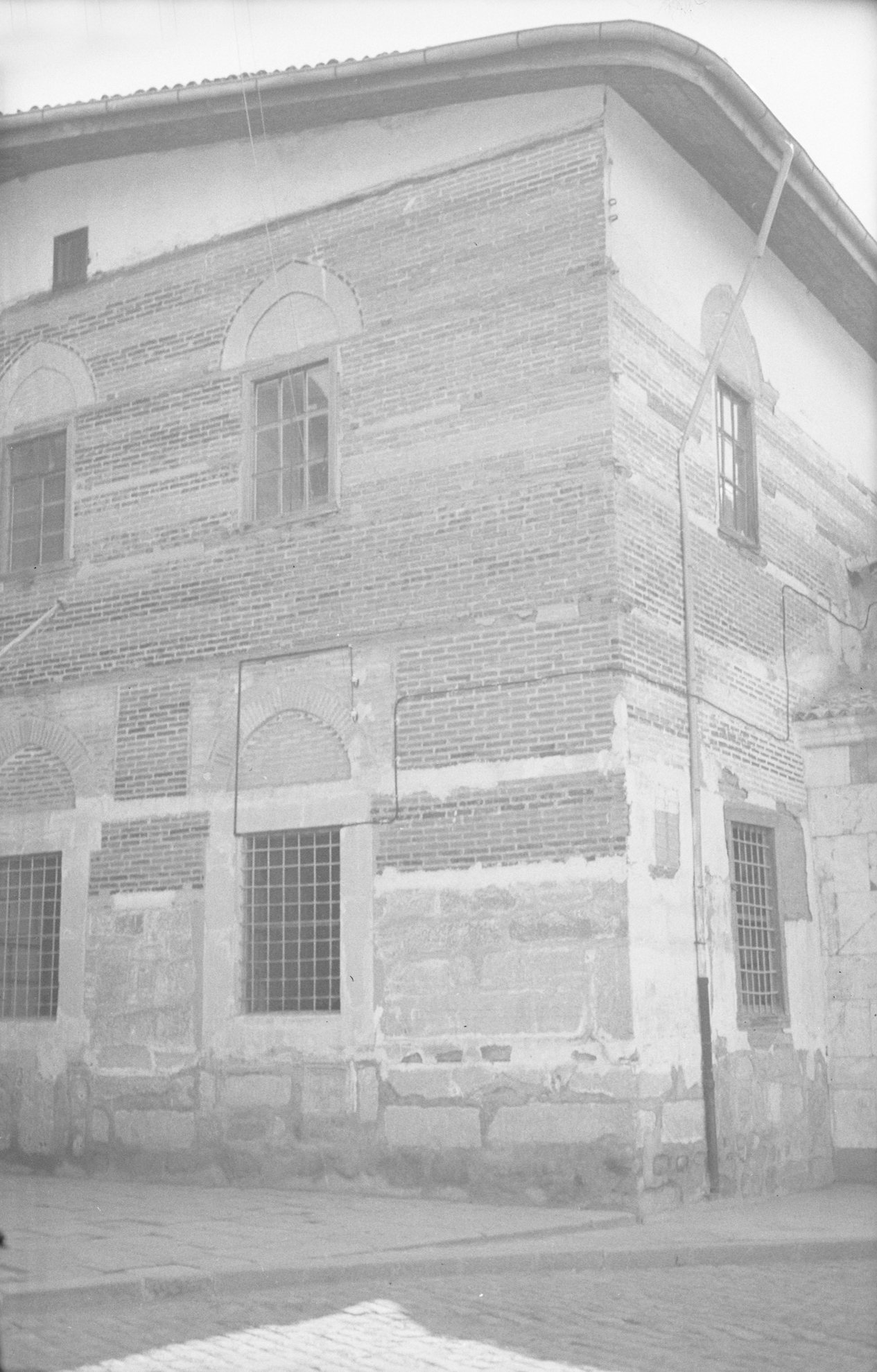
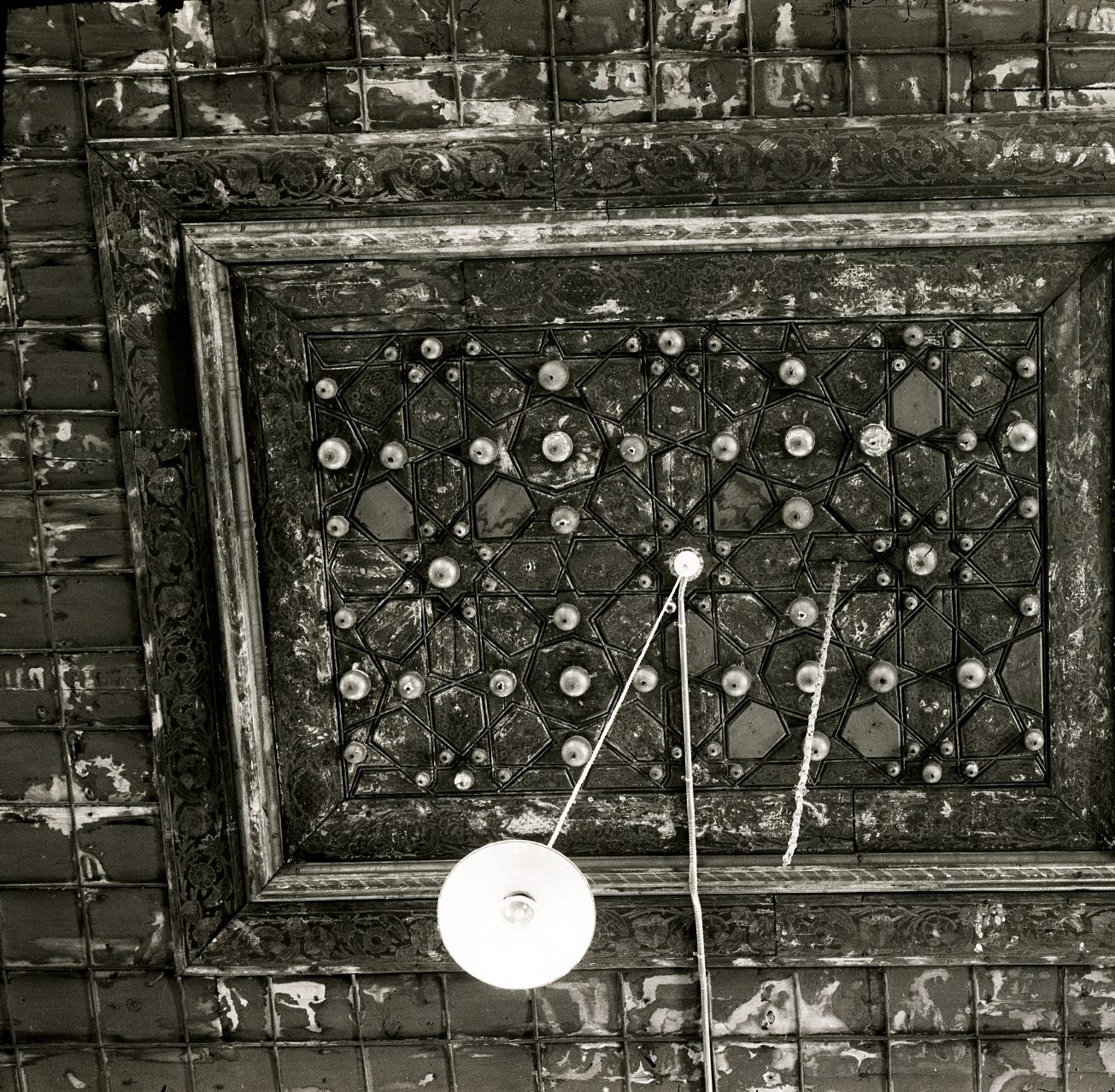
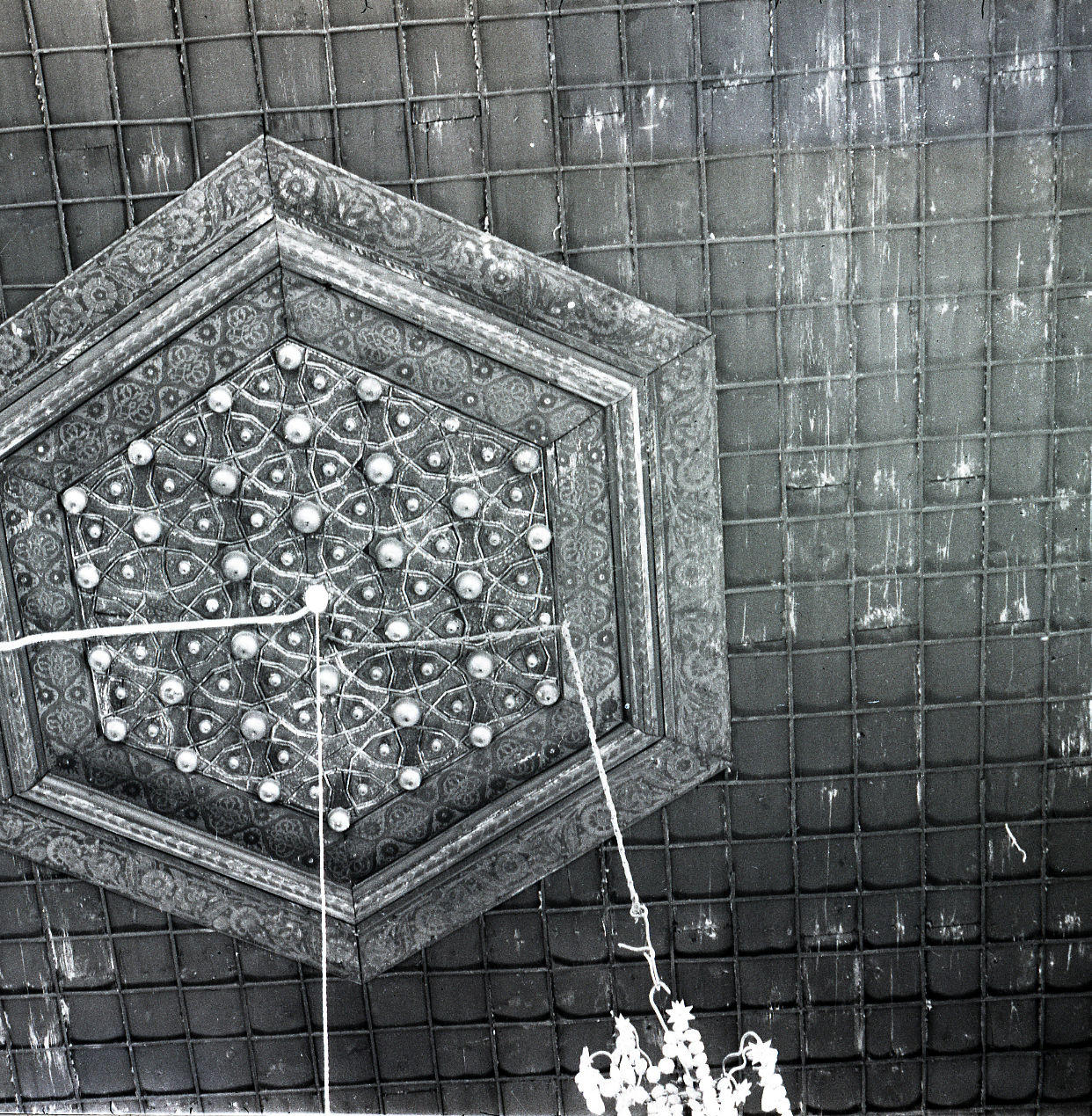
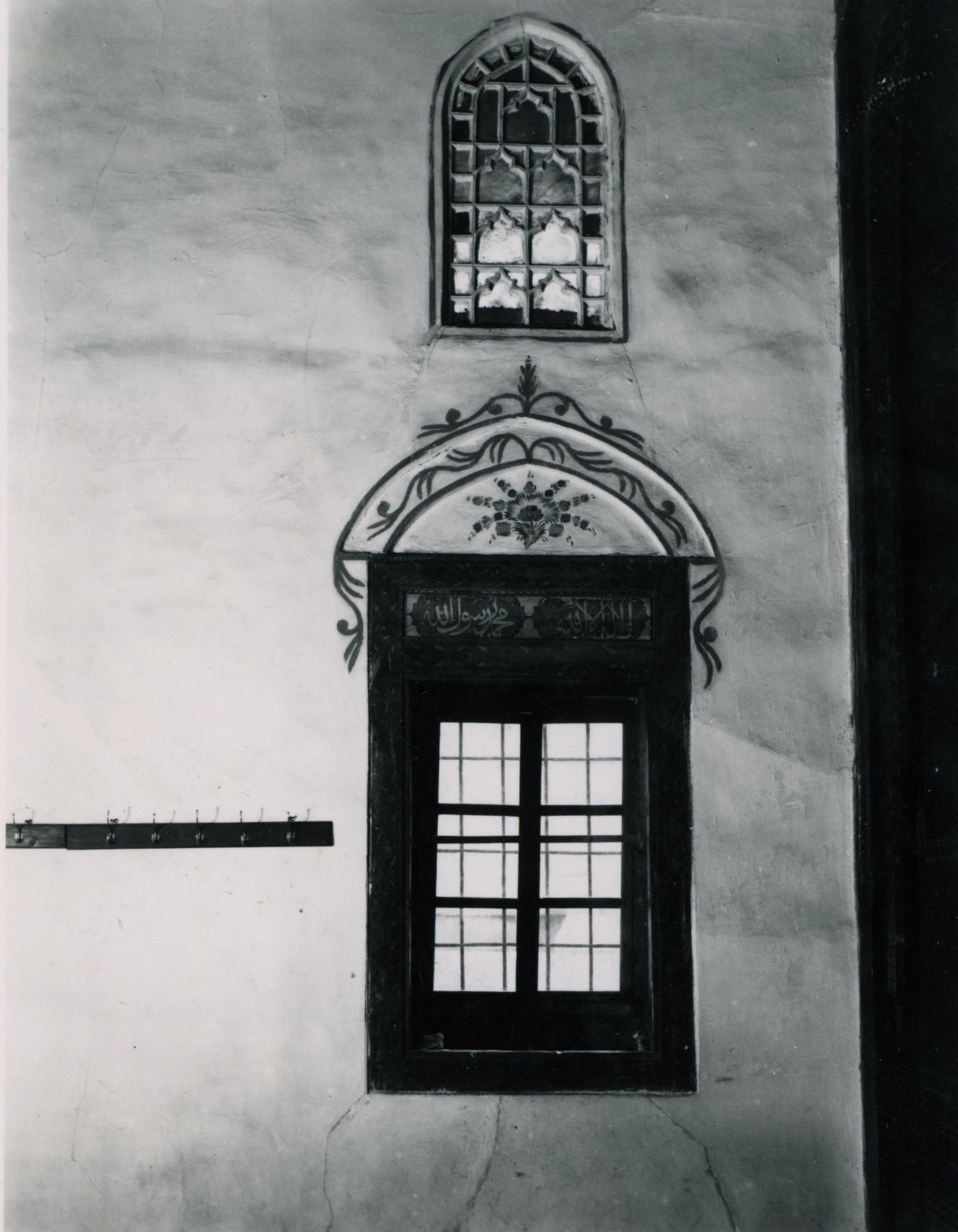
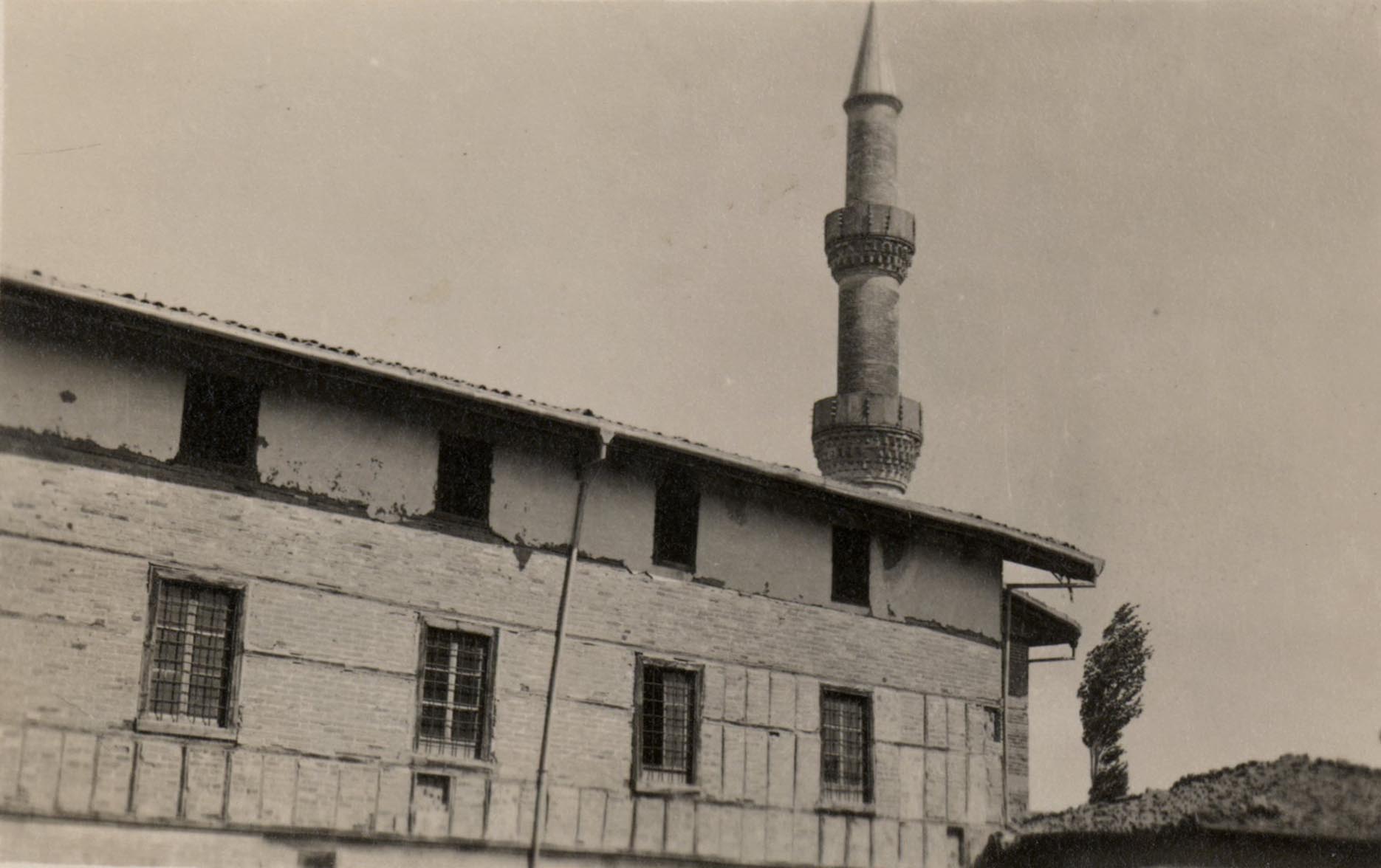
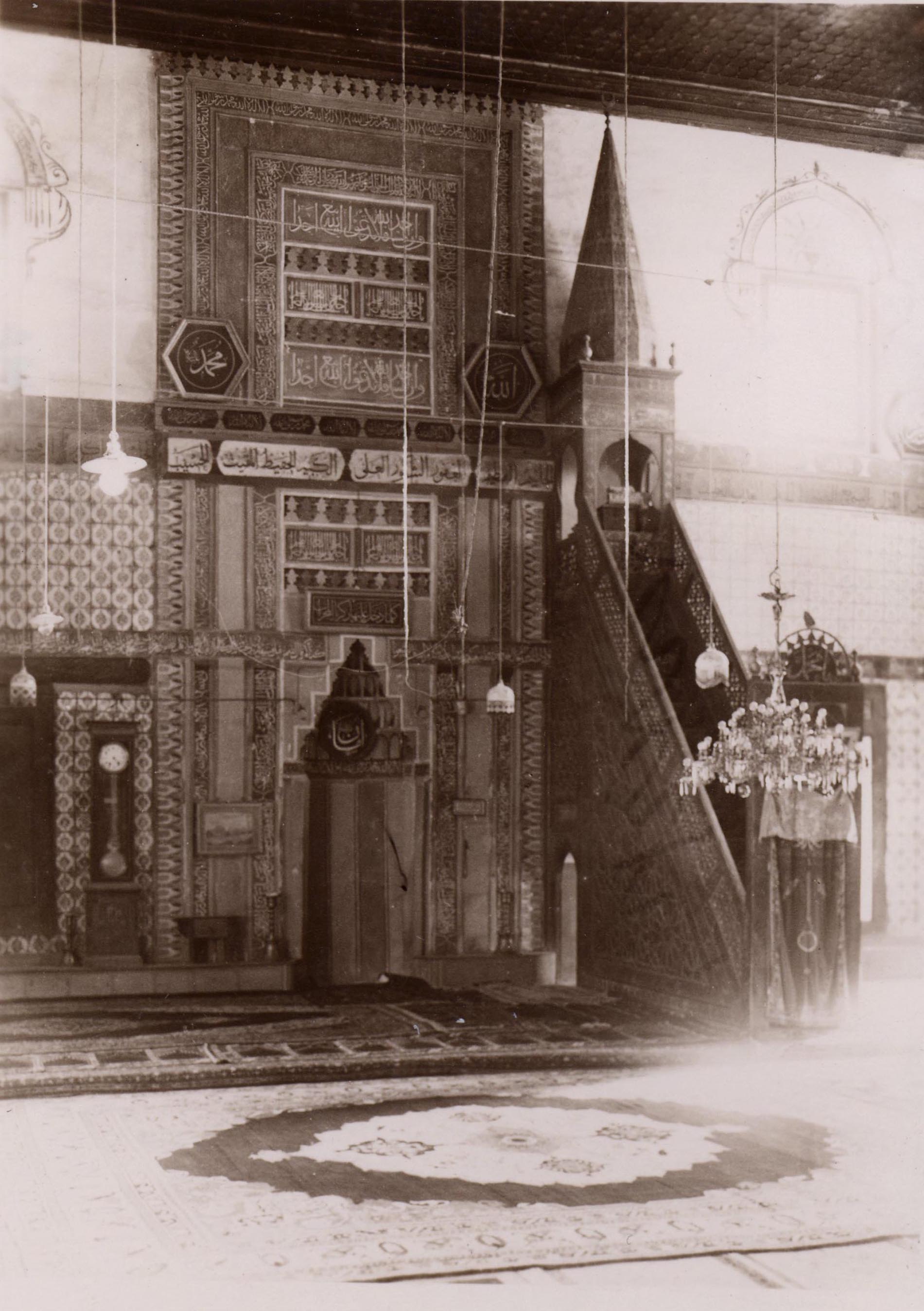
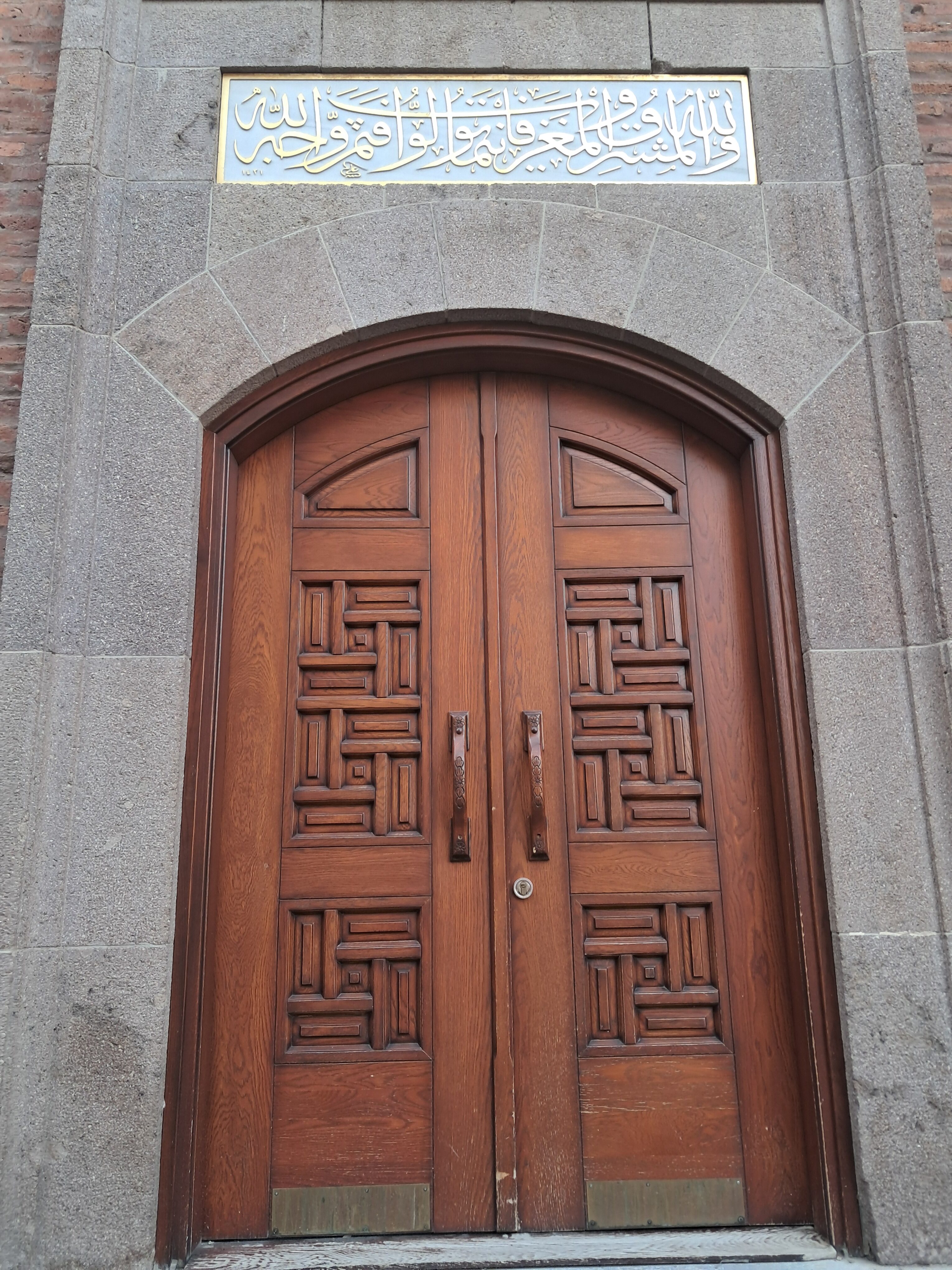
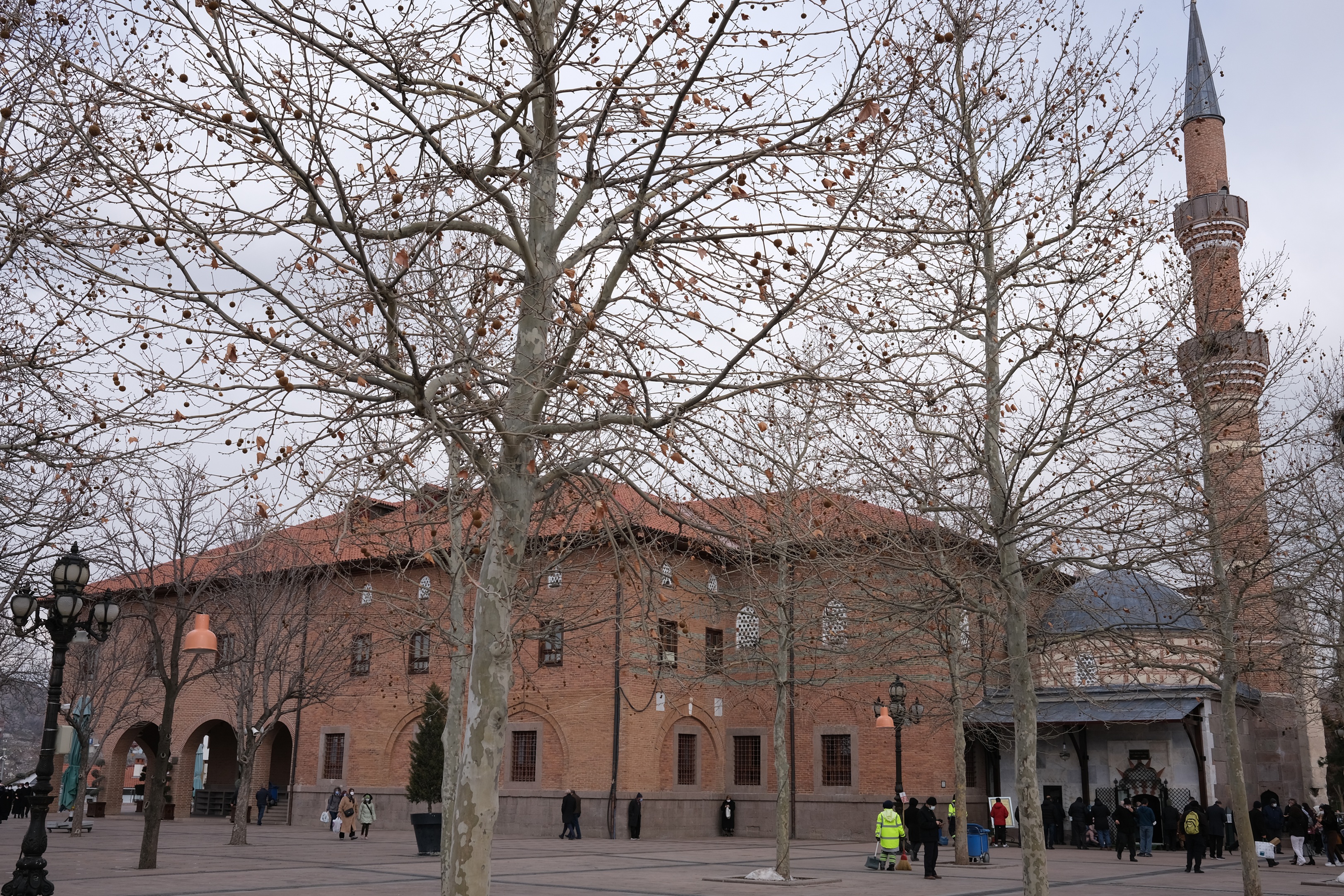
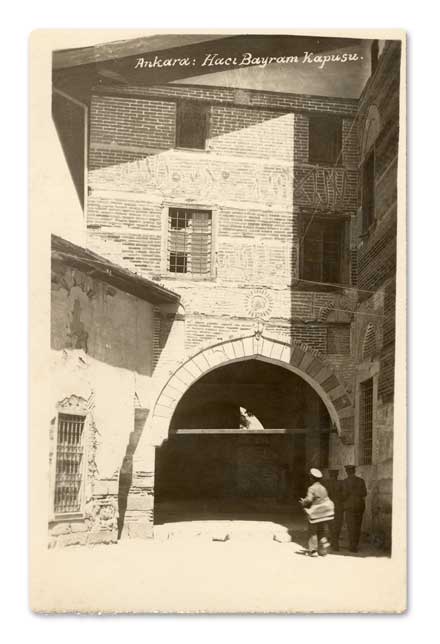
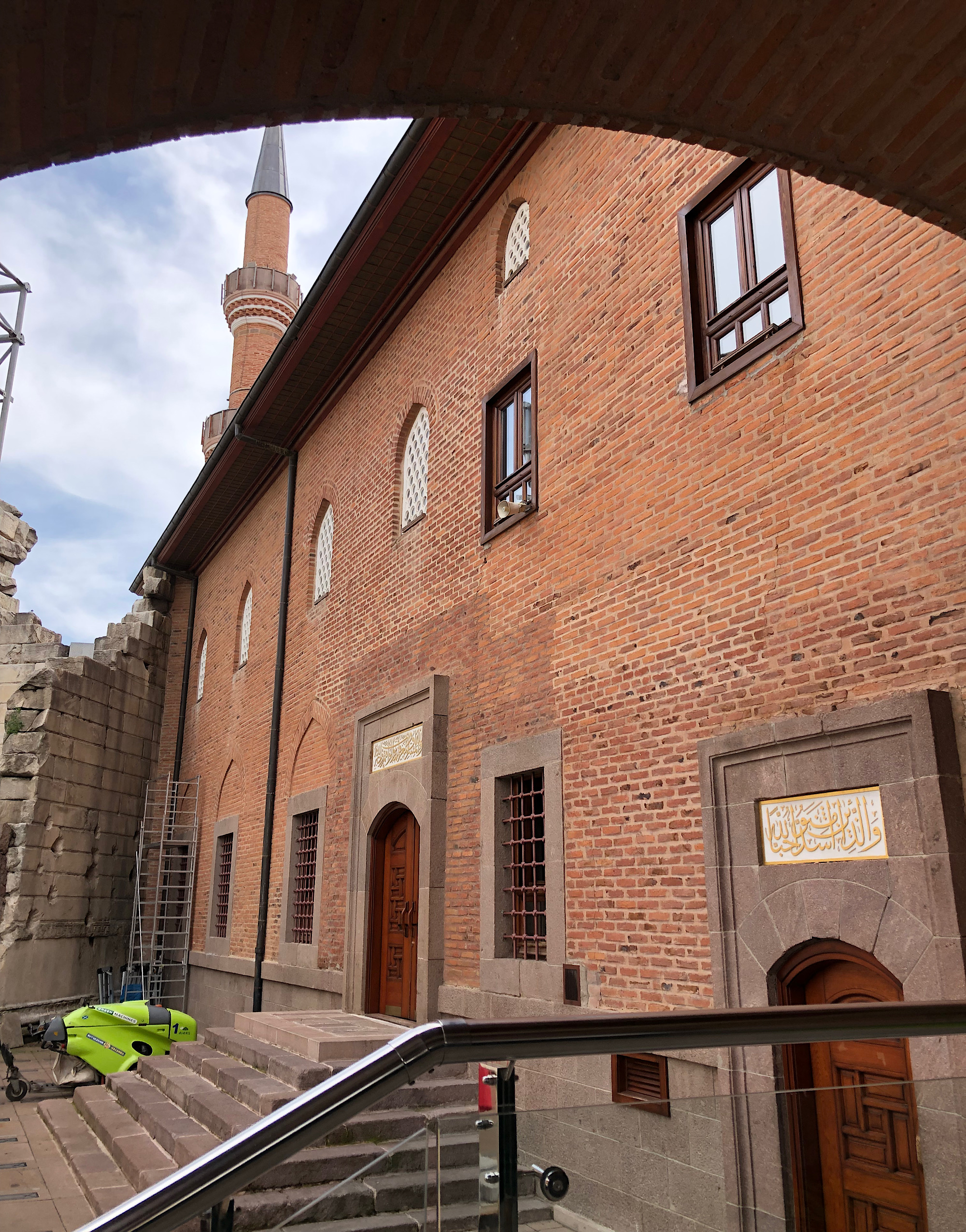
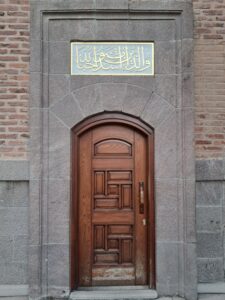
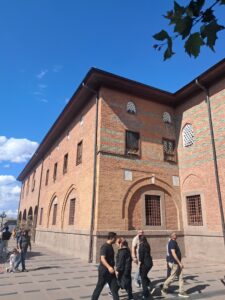
Kaynakların bir kısmında câminin III. Mustafa döneminde (1757-1774) de bir onarım geçirdiği ileri sürülmüş, ancak bu iddia ne belgeler ne de yapının mimari ve süsleme özellikleriyle kanıtlanabilmiştir. Câminin geçirdiği ikinci önemli onarım ise Cumhuriyet döneminde, 1940 yılında, Vakıflar Genel Müdürlüğü tarafından ve mimar Alâeddin Bey eliyle gerçekleştirilmiştir. Bu onarımda yapının planı ve üstyapısı büyük ölçüde korunmuş, ancak son cemaat yerinde ve batı cephesinde değişiklikler meydana gelmiş, ayrıca cephelerdeki doku ve ayrıntılar aslına sadık kalınmaksızın yenilenmiştir. Daha sonra 1960’larda vuku bulan diğer bir onarımda da câminin giriş (kuzey) cephesinde yapının mimari kimliğine ters düşen değişiklikler yapılmıştır. Son onarım ise 2011’de Ankara Büyükşehir Belediyesi tarafından gerçekleştirilmiştir. Câminin mimari özellikleri incelenirken 1940 onarımından önceki durumu esas alınmalıdır. Duvarların alt kesimi moloz taş, üst kesimi ahşap hatıllı tuğla örgüyle meydana getirilmiş, yapı alaturka kiremit kaplı bir kırma çatıyla örtülmüştür. Binanın kuzeyinde enine dikdörtgen planlı kapalı bir son cemaat yeri bulunur. Üst katı fevkânî mahfil tarafından işgal edilmiş ve yapının kitlesiyle kaynaşmış olan son cemaat yerinin doğu kesiminde câminin altındaki halvethânelere geçit veren kapı bulunmaktadır. Sivri kemerli pencereler 1940-1941 onarımına aittir. Texier’nin gravüründe bu yönde yuvarlak kemerli bir revak seçilir. Kıble ekseninde gelişen dikdörtgen planlı harim, çatılı câmilerde emsaline az rastla-nan geniş ve ferah bir mekândır. Alt sıradaki pencereler kesme taş sövelerle çerçevelenmiş, demir parmaklıklarla donatılmış ve tuğladan sivri hafifletme kemerlerle taçlandırılmış, bazılarının üzerine ahşap pervazlı dikdörtgen tepe pencereleri yerleştirilmiştir. Kuzey duvarının önünde, girişin iki yanında, zemini bir sekiyle yükseltilmiş ve ahşap korkuluklarla sınırlandırılmış bulunan iki mahfilden batıdaki müezzin mahfilidir. Mahfilleri taşıyan kare kesitli ahşap dikmeler Bursa kemerleriyle kirişlere bağlanır. Güney duvarında, mihrabın yanlarında aslında aynı düzende ikişer pencerenin tasarlandığı ancak türbenin inşa edilmesi üzerine soldaki (doğudaki) alt pencerenin iptal edilerek bir nişe dönüştürüldüğü anlaşılmaktadır. Cephelerdeki bu sadeliğe karşılık harimde zengin bir süsleme programı uygulanmıştır. Tavanlar çıtalarla karelere bölünmüş, harim tavanındaki karelerin köşelerine, birer çiçek motifi barındıran küçük kareler, kuzey yönündeki mahfil çıkmasının tavanındaki karelerin merkezine de yaldızlı küçük yarım küreler oturtulmuştur. Alt sırada yer alan pencereler, harim tavanıyla kuzeydeki çıkmanın tavanı, ayrıca harîmin, kuzey mahfilinin ve batıdaki mahfil çıkmasının tavanlarındaki göbekler, klasik Osmanlı üslûbunda motiflerin kullanıldığı, son derecede itinalı kalem işleriyle süslü pervazlarla kuşatılmıştır. Kapılar ve pencereler sülüs hatlı zerendûd kelime-i tevhid ve âyet panolarıyla taçlandırılmıştır. Bazı kaynaklarda câminin kalem işleri 15. yüzyıla, bazılarda da 16. yüzyıla tarihlenmekte, ayrıca, herhangi bir mehaz gösterilmeksizin, bunların mimar Sinan’ın dostu olan Ankaralı Nakkaş Mustafa’nın eseri olduğu ileri sürülmektedir. Alçı kalıplama tekniğiyle yapılmış ve pastel renklerle boyanmış olan mihrabın malzemesi, abidevî boyutları, oranları ve süsleme ayrıntıları Ankara’ya has özellikler sergilemekte, buna benzer örneklere aynı şehirde 17. ve 18. yüzyıllara ait başka câmilerde de rastlanmaktadır. Yalancı kündekârî ve şebeke tekniklerinin gözlendiği ahşap minber, klasik üslûbu yansıtan tasarımı ve kalem işleriyle harimin süslemesine uyum sağlar. Harîmin duvarları, alt sıradaki pencereleri taçlandıran âyet panolarının üst hizasına kadar, sır altı tekniğinde çini levhalarla kaplıdır. İçinde lâleler barındıran şemseler, kirli beyaz zemin üzerine soluk maviyle resmedilmiştir. En yukarıda ise, yine çiniden mâmul, lacivert zemin üzerine beyazla sülüs hatlı bir âyet kuşağı uzanır. Bu çinilerden müezzin mahfilinde yer alanların 1714 onarımı sırasında Kütahya’da imal edildikleri anlaşılmakta, diğerlerinin Cumhuriyet dönemi onarımına ait oldukları tahmin edilmektedir. Nitekim söz konusu mahfildeki çini yazı kuşağının sonunda, 1714 yılında câmiyi tamir ettiren Şeyh Mehmed Baba’ya ait olduğu anlaşılan “ketebe el-fakîr el-Şeyh Mehmed” imzası okunur. Ayrıca İbrahim Hakkı Konyalı “Hasan Geliboluvî” şeklinde bir çini ustası imzasının da bulunduğunu kaydeder.
Külliyenin küçük kapsamlı kütüphânesi için bağımsız bir binanın tasarlanmamış olduğu, kitapların türbenin batısındaki bölümde yer alan ahşap dolaplarda muhafaza edildiği bilinmektedir.
Baha Tanman — Hacı Bayram-ı Velî Külliyesi Mimari Özellikleri
Ankara’nın en uzak mahallelerinden Hacı Bayram Camiinin içerisinde höykürenleri seyretmeğe (1925 yılından önce) gelenler çok olurdu. Caminin ortasındaki kırmızı halı üzerinde 15-20 kişi halka halinde dönerdi. Ortaya da şeyhleri oturur ve kumanda ederdi. Bayramiye tarikatından olmayan, vecde gelen, coşan hafızlar da buna girerlerdi. Camiin içinde birkaç kudümün düm düm sesleriyle tempo tutulurdu. Dönenler el ele tutuşarak dönerlerdi: “Hu! Hu!” diye köykürürlerdi. Bu, cuma ile pazartesi geceleri akşam ve yatsı namazından sonra olurdu. Bej, lacivert cübbe giyerlerdi. Başlarında devetüyünden keçe külah vardı.
Kaynak: Tanyu, Hikmet, “Ankara ve Çevresinde Adak ve Adak Yerleri, A.Ü.İ.F. yayınları, 1967, Ankara, s. 67.
Caminin kıble tarafının duvarına, pencerelerin üstüne iki kitabe yerleştirilmiştir. Buraya iki satır halinde yeşil renkli çinilerle Kelime-i Tevhid yazılmıştır. Pencerenin iki tarafındaki kitabelerden sağdaki şöyledir:
Mürşîd-i râh-ı hakikat menba’-ı cûd u sehâ
Şeyh Mehmed Baba nesl-i Hacı Bayram-ı Veli
Câmi’-i ceddini ta’mir etti bâ avn-i Hudâ
Ola yâ Râbb dergehin çâkerlerinin ekremi
Göricek itmâmını Râzî dedi tarihini
Câmi-i rahmet-meâb Hacı Bayram-ı Veli
1167
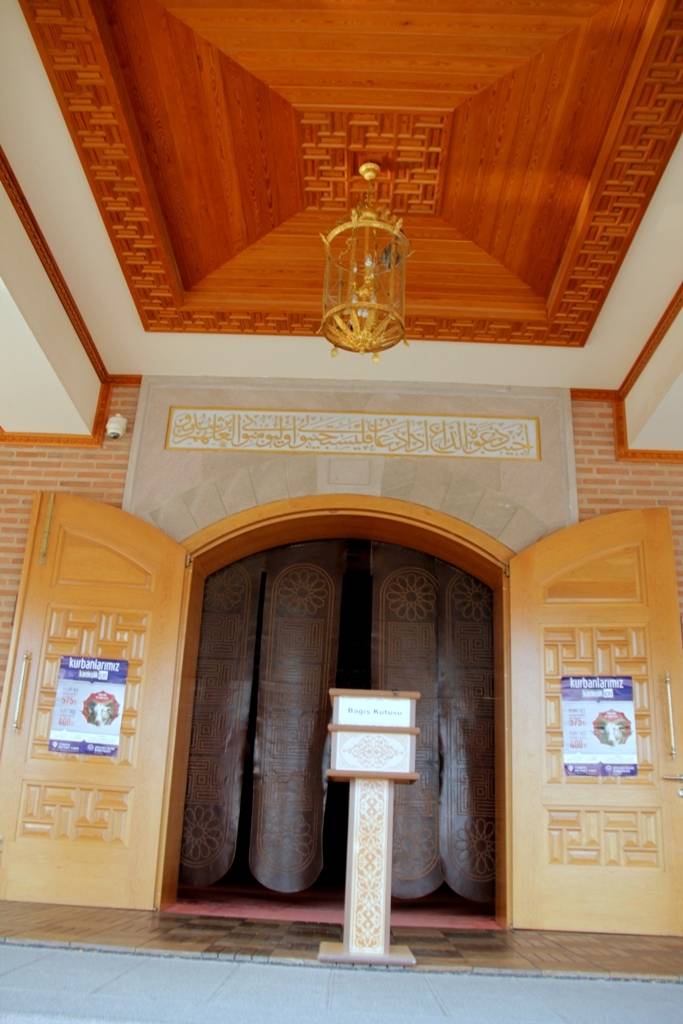
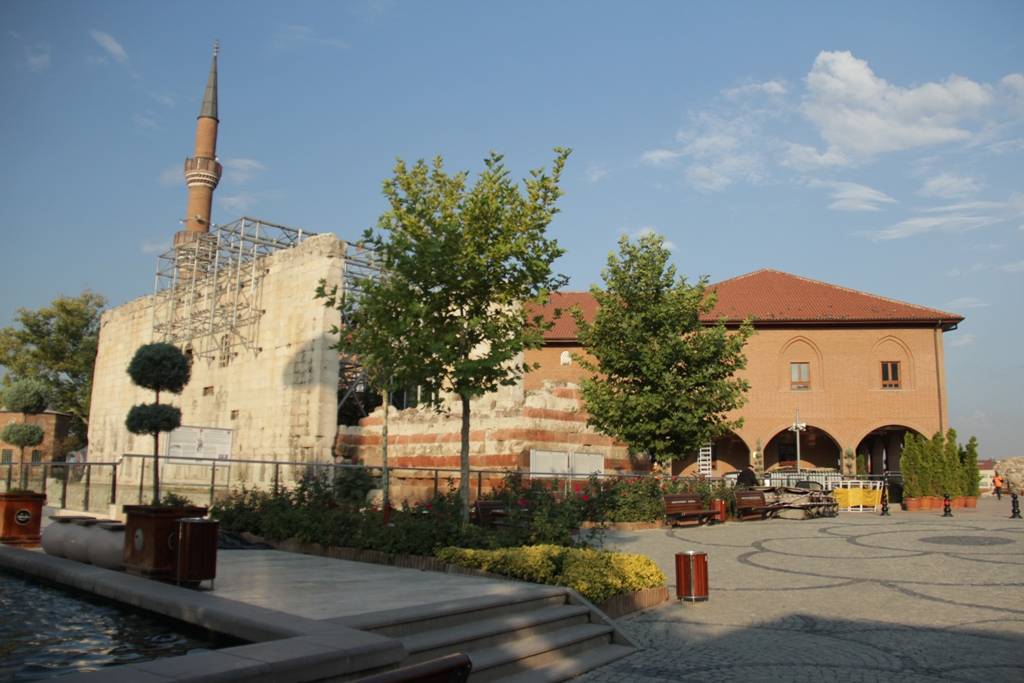
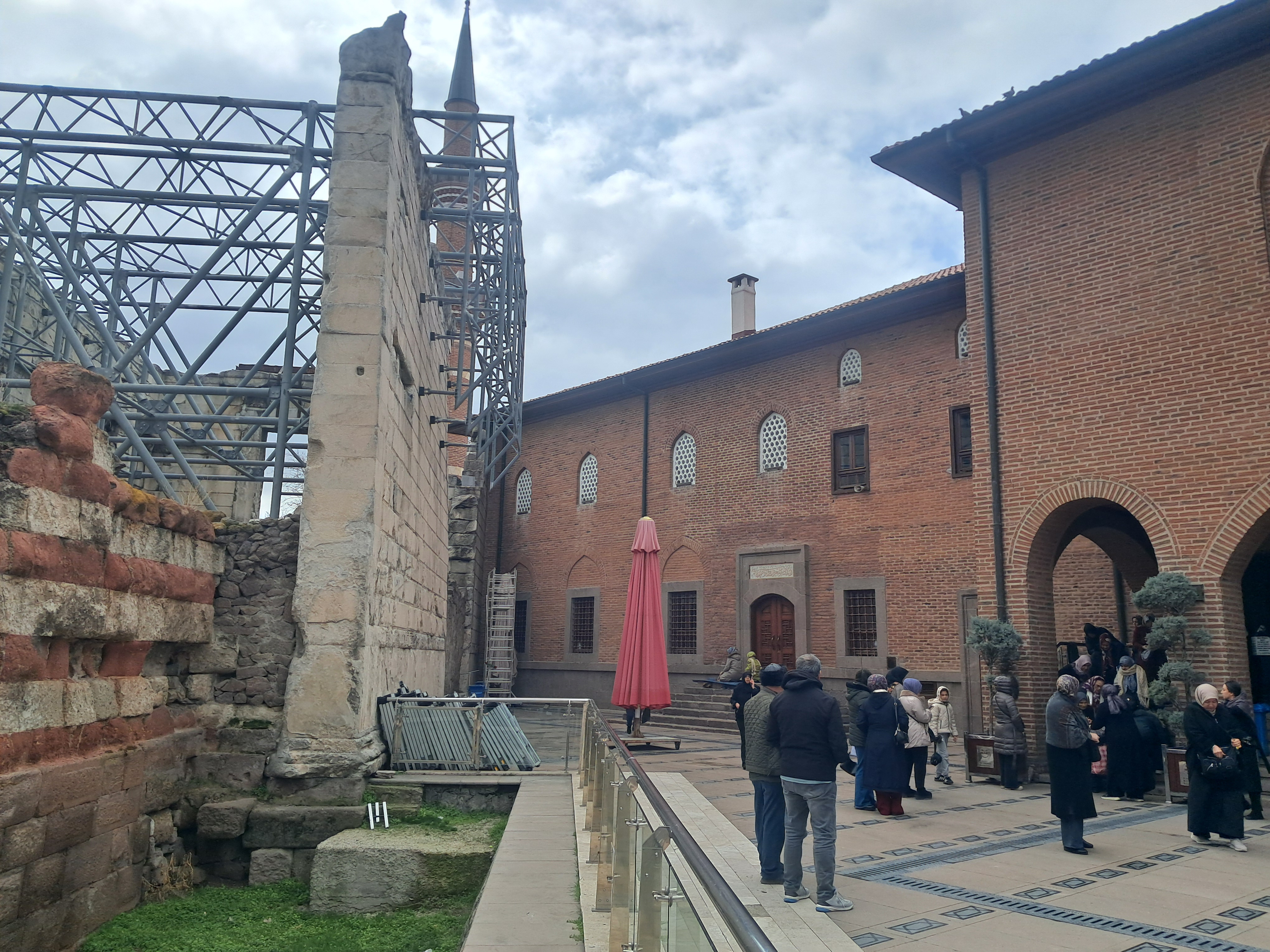
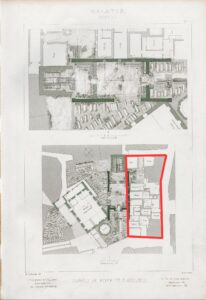
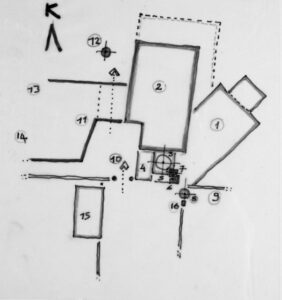
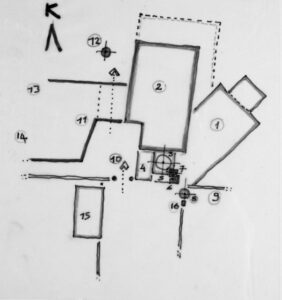
Augustus Meydanı’nda bulunan cami taş kaideli, tuğla duvarlı kiremit çatılıdır. Planı uzunlamasına dikdörtgen olan cami, doğusunda Augustos Tapınağı duvarına, güneyde Hacı Bayram Veli Türbesi’ne dayanmıştır.
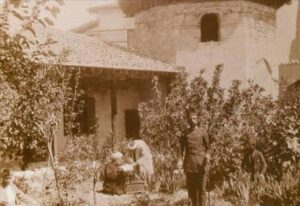
Kuzeyde ve batıda haremin yarıdan fazlasını kaplayan son cemaat yeri sonradan ilave edilmiştir. Kare taş kaideli, silindirik tuğla gövdeli ve iki şerefeli minare türbenin güneydoğu duvarında yükselir. Dışta alt pencereler sivri kemerli taş nişlerle kuşatılmıştır. Alçı şebekeli üst pencereler sivri tuğla kemerlidir. Son cemaat yerinde, ayrıca; dikdörtgen ara pencereler sıralanır. Son cemaat yerinin güneye bakan çıkıntı duvarında yeşil sırlı tuğlaya benzer yağlıboya ile sülüs yazı ile “Kelime-i Tevhid“ yazılıdır.
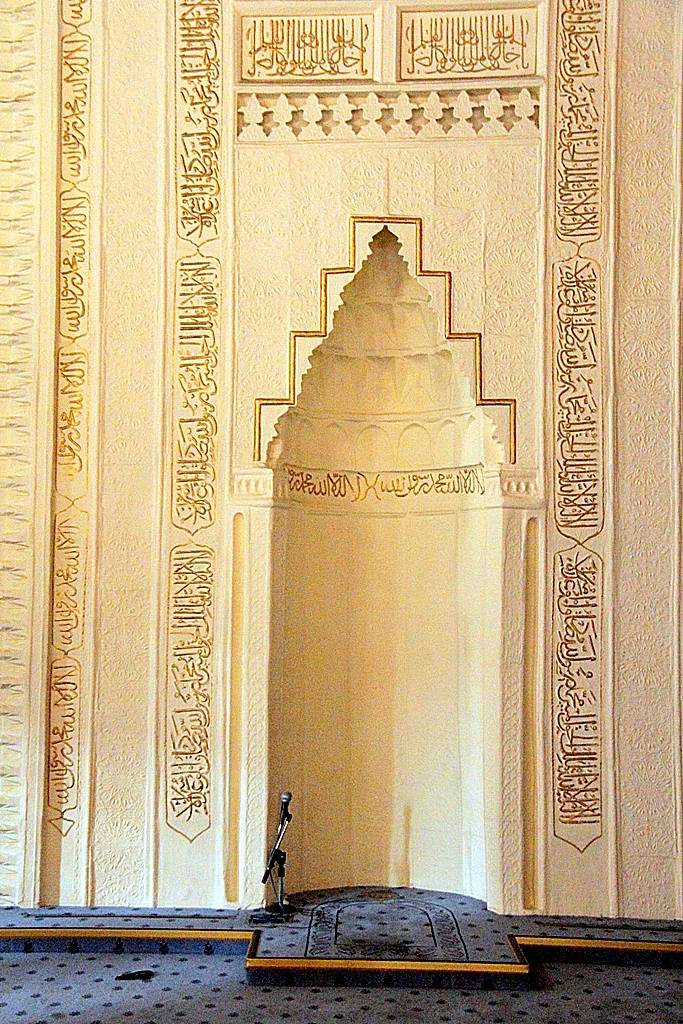
Harem tek sahınlıdır ve kasetleme işçiliği ile yapılmıştır. Ahşap tavanlıdır. Kuzeyde ahşap kadınlar mahfili yer alır. Tavan, kenarlarda çeşitli çiçek desenleriyle süslü bir pervaz ile çevrilidir. Haremde duvarlar pencere üstlerine kadar, yenilenmiş olan çinilerle kaplıdır. Müezzin mahfilinin altında eski çiniler mevcuttur. Bunlar 18’inci yüzyıla ait Kütahya çinileridir. Kalıplama tekniği ile yapılmış olan mukarnas nişli mihrap sonradan boyanmıştır. En dışta mukarnas frizi ile kuşatılmıştır. Tepesi mazgal gibi palmet yaprakları ile taşlanmıştır. İkinci bordürde neshi yazı ile “Kelime-i Tevhid“ tekrarlanır. Üçüncü bordür yıldızlar meydana getiren çokgenlerle doldurulmuştur. Dördüncü bordür yine “Kelime-i Tevhid” in tekrarlandığı neshi yazı ile süslenmiştir. Taklit kündekari tekniği ile yapılmış ahşap üzerine boyalı minber kaliteli bir işçilik sergiler.
Camide ahşap üzerine boyalı bütün nakışlar Nakkaş Mustafa tarafından yapılmıştır. Camii Hacı Bayram-ı Veli’nin torunlarından Mehmet Baba tarafından 1714 tarihinde tamir ettirilmiştir. İlk yapılışı 1427–1428 tarihlerinde olan camii, tavan, mihrap-minber işçiliği süslemesi, müezzin mahfili altındaki çinileri ve tavan yapımı ile tamamen 17’nci yüzyıl sonu 18’inci yüzyıl başı Ankara camilerinin karakterini kazanmıştır. Tamir kitabesi de bunu gösterir. Hacı Bayram Veli Cami Ankara’nın en önemli camilerindendir.