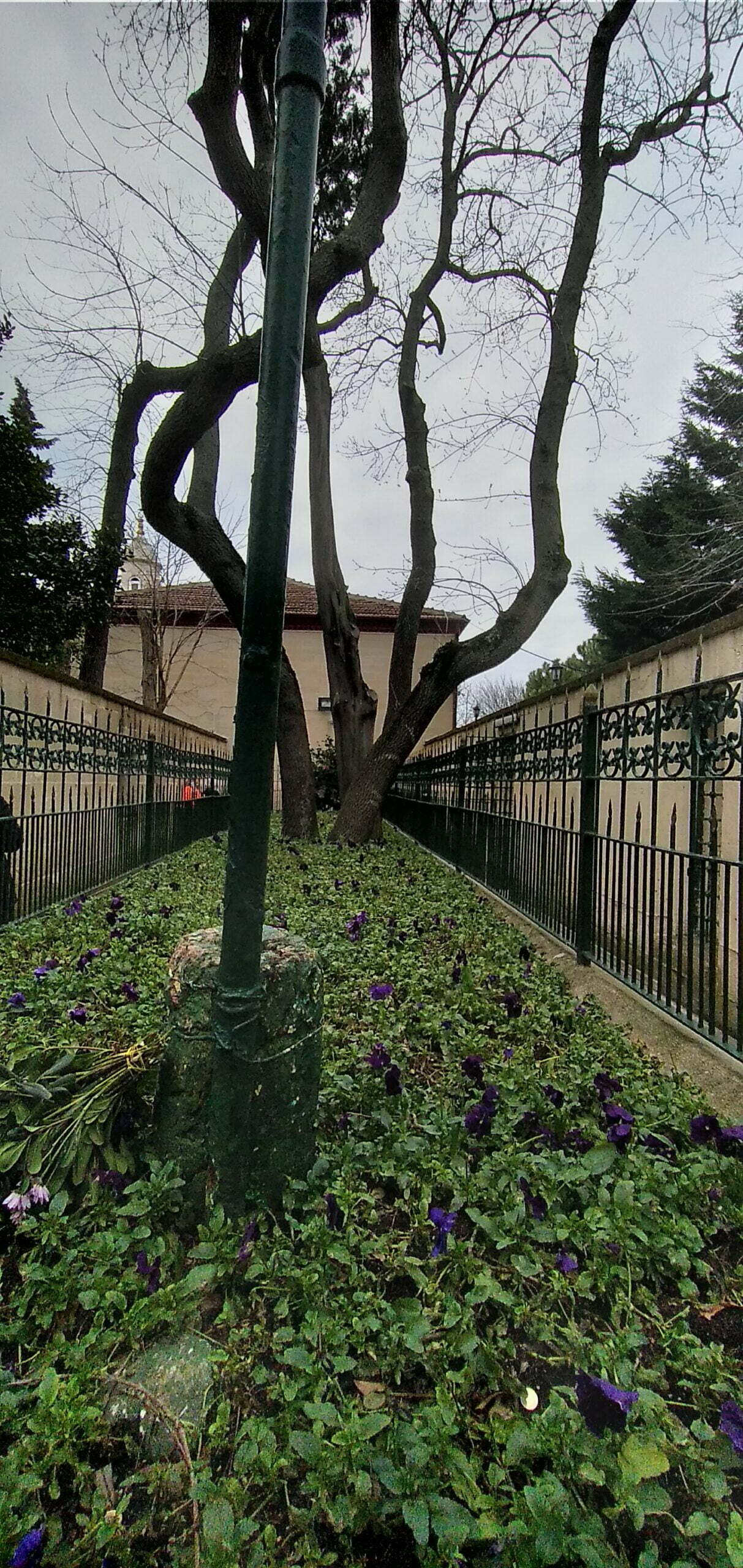
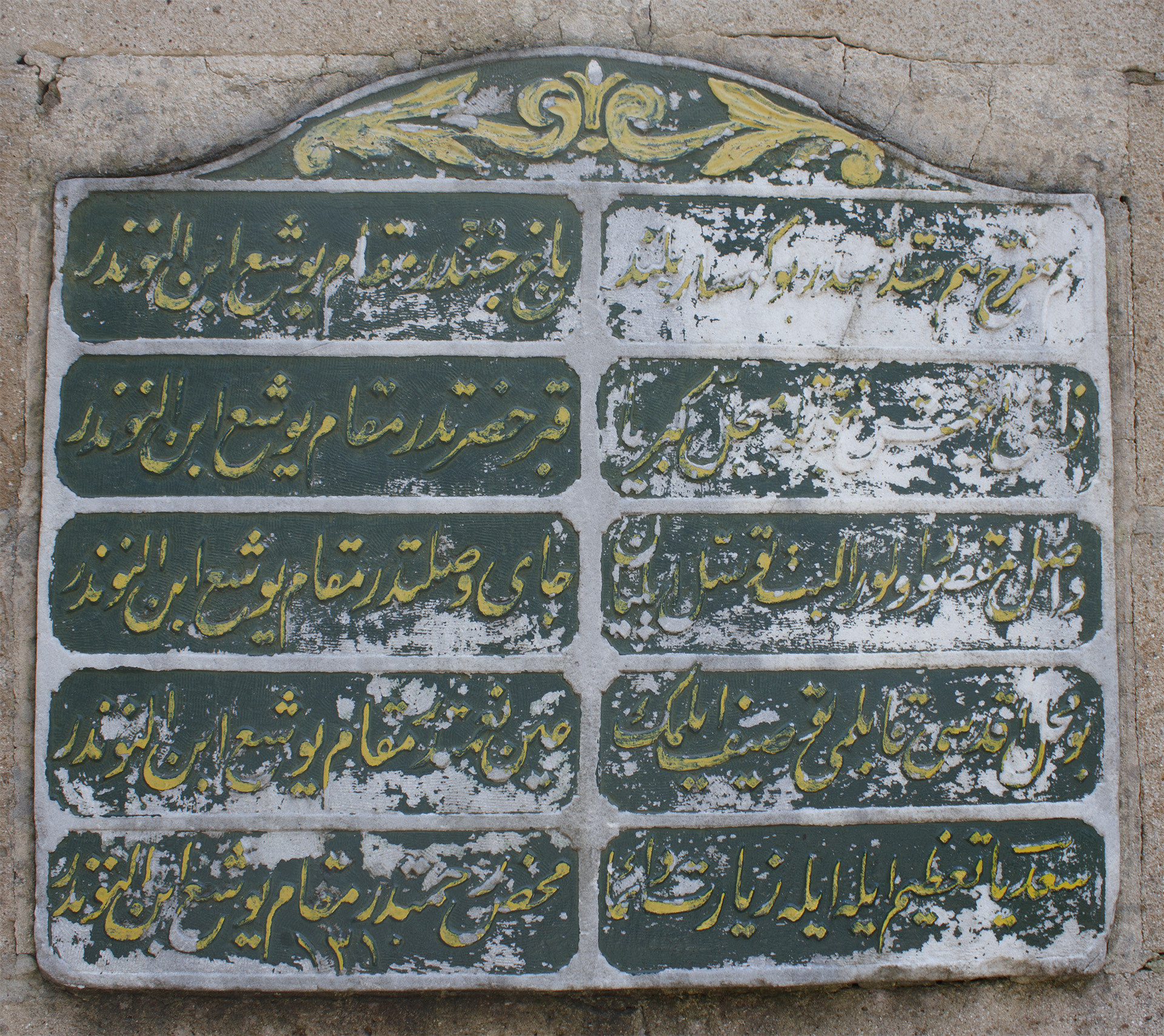
XVI. yüzyılda Beşiktaşlı Yahyâ Efendi’nin (ö. 978/1570) keşfettiği rivayet edilen Yûşa‘ın kabrinin İstanbul Beykoz’da bugün Yuşa tepesi diye bilinen yerde bulunduğu inancı yaygın olup burası günümüzde de önemli bir ziyaretgâhtır. Ancak buradaki kabrin Tevrat’ta zikri geçen Yeşu’ya aidiyeti mümkün değildir. Zira Ahd-i Atîk’e göre Yeşu Filistin’de vefat etmiş ve Timnatserah’a defnedilmiştir. Esasen Yûşa‘ın beşi Filistin’de olmak üzere İstanbul’dan Kuzey Afrika’ya kadar çeşitli yerlerde mezarının bulunduğu iddia edilmektedir (Hasluck, I, 256). Suriye’de Maarretünnu‘mân’da onun adını taşıyan bir mescid ve türbe yer almaktadır. Beykoz’daki tepeye Yuşa adının Yûşa peygamberin kabrinden dolayı verildiği inancı da gerçeği yansıtmamaktadır. Ahd-i Atîk’te adı geçen Yûşa‘ın Beykoz’la alâkası Mûsâ ile Hızır’ın İstanbul’da bir araya geldiği inancından kaynaklanmış olabilir ki bu da doğru değildir. Kur’an’da Mûsâ ile Hızır’ın iki denizin birleştiği yerde (mecmau’l-bahreyn) buluştu ğu bildirilmekte ve müfessirler bu yeri Akdeniz’le Atlas Okyanusu’nun birleştiği Cebelitârık Boğazı, Nil’in Akdeniz’e döküldüğü yer, Kızıldeniz’in Hint Okyanusu’na açıldığı Aden Boğazı, Ürdün ırmağının Taberiye gölüne döküldüğü yer, Nil’in iki kolunun birleştiği yer ve İstanbul Boğazı gibi çeşitli coğrafî bölgelerle ilişkilendirmektedir. Coğrafî bakımdan Mûsâ ile Hızır’ın bir araya geldiği yer Sînâ yarımadasının Akabe ve Süveyş körfezlerinin birleştiği alt ucu olmalıdır. Hz. Mûsâ, Sînâ yarımadasının alt ucuna yakın Sînâ dağında ilâhî vahyi aldıktan sonra Kehf sûresinde anlatılan (18/60-82) Hızır’la buluşma gerçekleşmiştir.
195 m. rakımlı Boğaz’a hâkim Yuşa tepesi tarihin eski devirlerinden beri çeşitli inançlarda kutsal kabul edilmiş ve burada tapınaklar yapılmıştır. İlk çağlarda tepede bir Zeus mâbedinin bulunduğu bilinmektedir. Bu mâbed Iustinianos tarafından VI. yüzyılda Hagios Michael adına kiliseye çevrilmiştir. Yuşa tepesinin kutsallığı inancı İslâmî dönemde bir yatır-mezar ve bir tekke inşası ile devam etmiştir. Günümüzde Yûşa‘ peygamberin kabri diye ziyaret edilen büyük mezar İlkçağ’da Herakles’in mezarı yahut yatağı olarak biliniyordu. Yuşa tepesindeki mezardan ilk bahseden kişi Evliya Çelebi’dir. Evliya Çelebi, Seyahatnâme’sinde Yuşa tepesini ve Yûşa‘ nebîyi ziyaret ettiğinden söz ederek bu tepede Yûşa‘ın mezarının, bir tekkenin ve “fukara”sının bulunduğunu yazar. Antoine Galland, 1673 yılı gezi anılarında İstanbul’daki Yuşa tepesine çıktığını, burada karşılaştığı bir Türk’ün kendisine Yûşa‘ peygambere ait tekke veya manastır kabul edilen mekânın muhafazasıyla görevli olduğunu söylediğini nakleder. Ayvansarâyî, Yuşa tepesindeki mezarın Yûşa‘ peygambere aidiyeti inancı yaygın olmakla birlikte Hz. Mûsâ’nın yardımcısı olan Yeşu’nun Beykoz’a gelmediğini, gerçek mezarının Nablus veya Halep yakınlarında bulunduğunu, Yuşa tepesindeki kabrin ise evliyadan veya havârilerden birine ait olabileceğini kaydeder. Hammer de Avrupalı seyyahların bu dağa Dev dağı, Türkler’in ise Yoris veya Yoros dağı adını verdiklerini, buradaki mezara vaktiyle Herkül yatağı denildiğini, mezarın beş ayak genişliğinde ve yirmi ayak uzunluğunda olduğunu yazar. Yûşa‘ peygambere nisbet edilen mezar çok eski inançlarda yer alan, dağların zirvesinde devlerin yaşadığına dair inançla yeni bir inancın kaynaştırılmasından oluşturulmuş bir tür makam-kabirden başka bir şey olmasa gerektir.
Öte yandan Türkler’in bu tepeye verdikleri Yuşa adının nereden geldiği de kesinlikle bilinmemektedir. Bir yoruma göre Yuşa adı bir şahıs ismi değildir. Kelime, eski attarlıkta koyunlara vurulan damgayı boyamakta kullanılan aşı boyası “yuğşa”dan gelmektedir. Boyanın elde edildiği toprak Boğaz’ın bu bölgesinde çok görüldüğünden ve koyunlar burada “yuğşalandığından” adı geçen yere Yuğşa tepesi denilmiş, bu isim zamanla Yuşa’ya dönmüştür. Yuşa tepesinde yer alan mescid ve tekke, Yirmisekizçelebizâde Sadrazam Mehmed Said Paşa tarafından 1169’da (1755-56) yaptırılmış, kabrin etrafına kâgir duvar çekilerek burada bir türbedarla kandilleri yakan bir hizmetçi görevlendirilmiş, tekke çevresinde odalar inşa edilip bir postnişin tayin edilmiştir. Daha sonra yanan mescid ve tekke Sultan Abdülaziz döneminde 1863-1864’te aslına uygun biçimde yenilenmiş, bu külliye yakın tarihte de önemli bir tâdilât geçirmiştir.[1]
—–