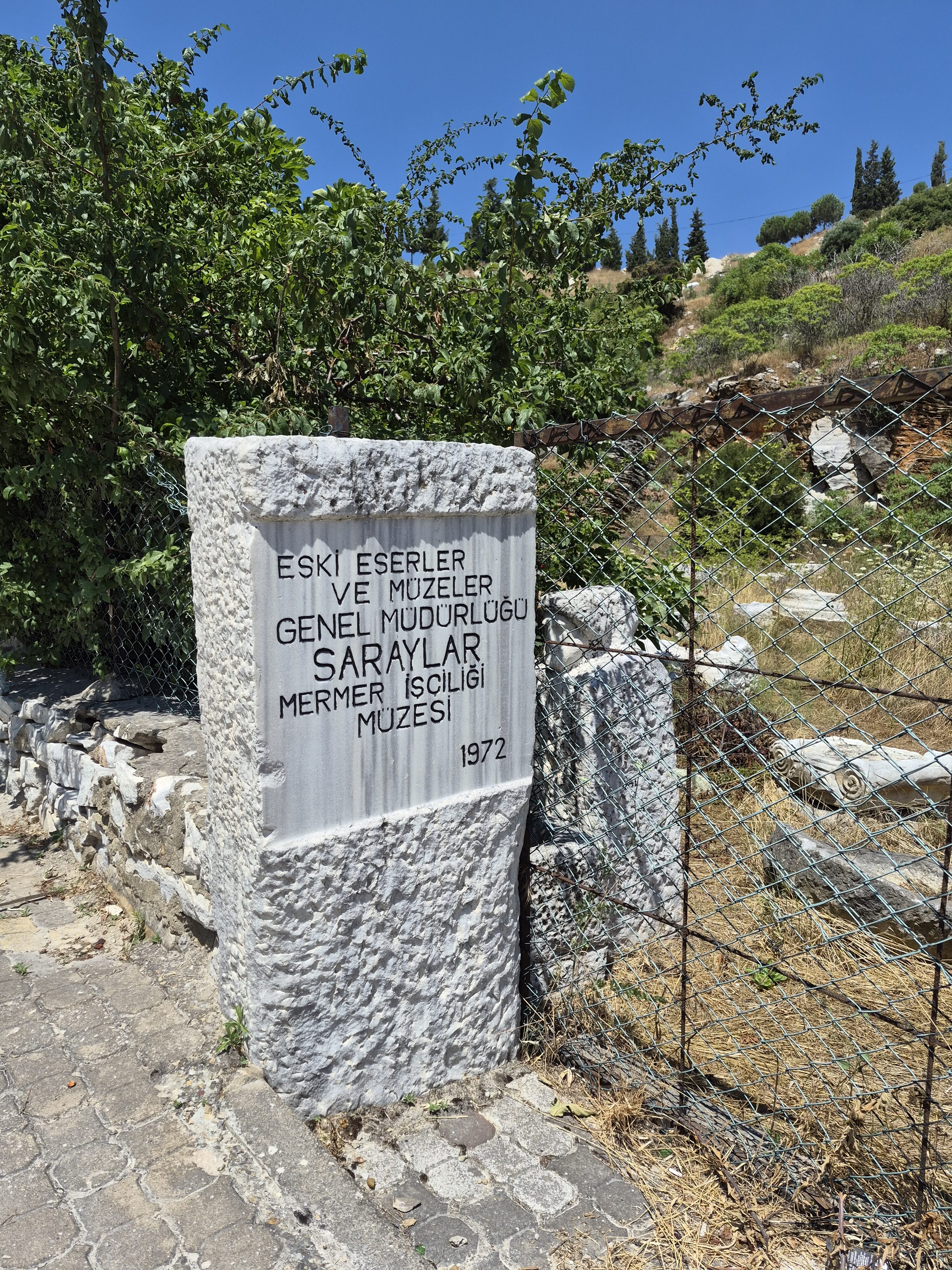
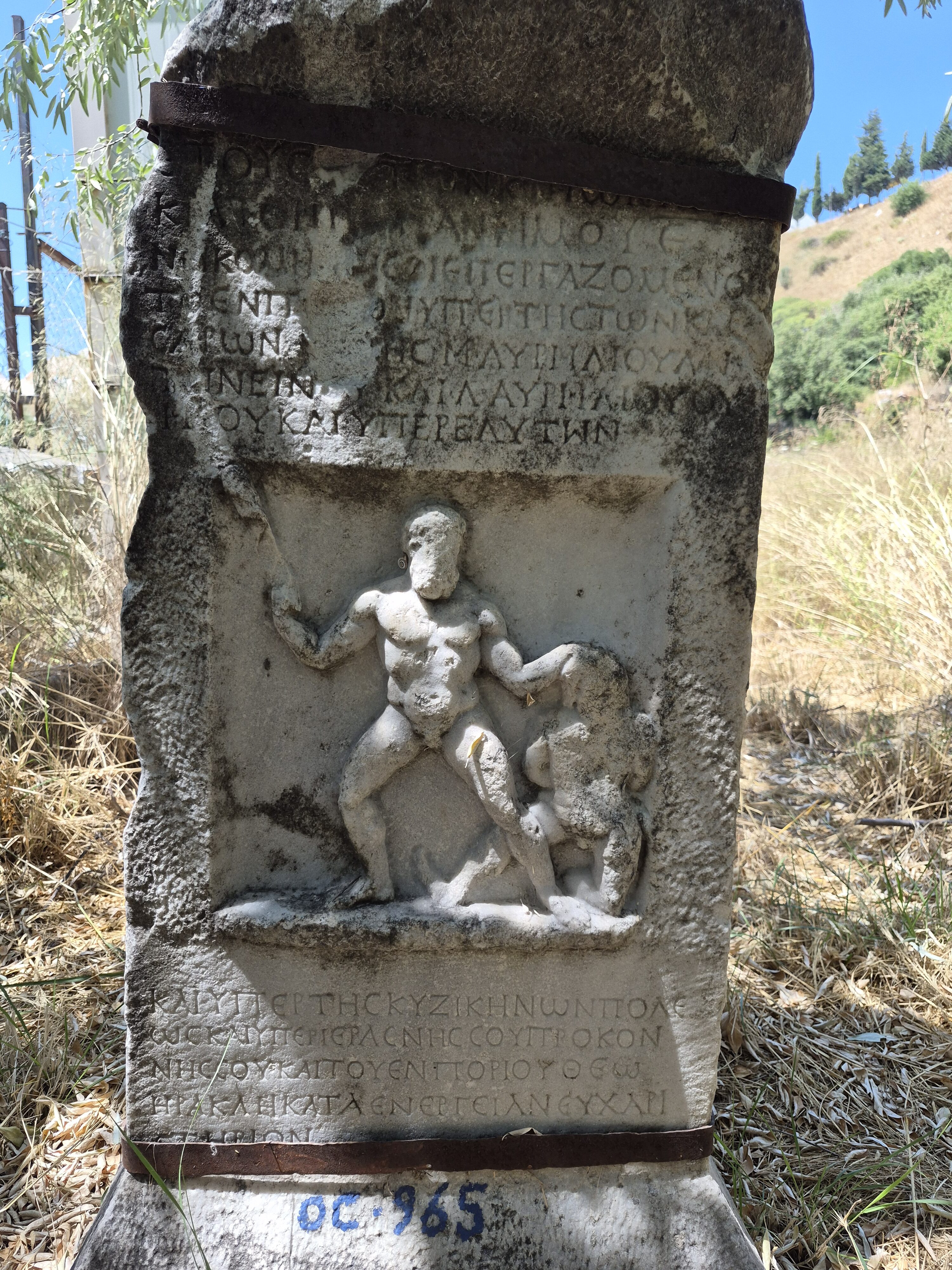
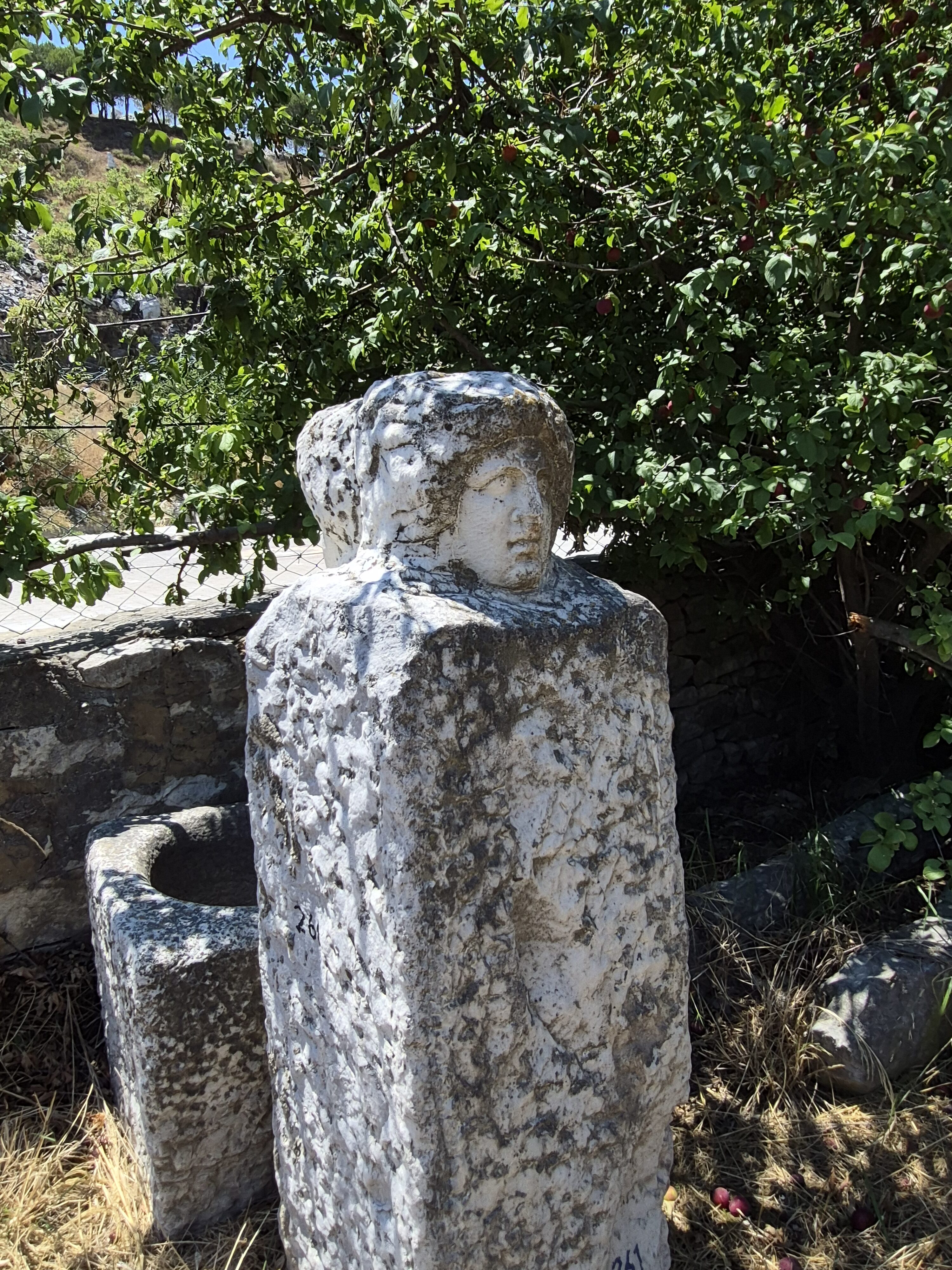
Marmara Adası, Kapıdağ çevresine serpilmiş büyüklü küçüklü kara parçalarının en büyüğüdür. Adanın hepsi deniz kıyısında olan beş tane köyü vardır. Marmara İlçe merkezi ise adanın güneyinde arkasını yalçın kayalıklara dayamış bir konumdadır. Adanın kuzey yarısı mermer, güney yarısı ise granittir. Adanın ilk ismi Elafonesos (Geyik Adası)’dur. Daha sonra ‘‘Prokonnessos’’ adını almıştır. Marmara Adası’nın kuzeydoğu kıyısında, küçük bir limanın gerisinde yer alan Saraylar, antik dönemde imparator adına burada bulunan ocaklardaki mermer üretiminden sorumlu memurun oturduğu “Justinien’in Sarayı” olarak bilinen binadan dolayı “Palatia” adını almıştır. MÖ 8. yüzyılda Milet’in bir kolonisi olan Prokonnesos, asırlar boyunca mermeri ile ünlü olmuştur. Özellikle Roma İmparatorluğu döneminde mermer üretimi bir hayli yoğun olan ocaklar, mimarlık ve heykeltıraşlık eserlerini üreterek Anadolu, Adriyatik, Akdeniz ve Karadeniz kıyılarına sevk etmiştir. Böylelikle Roma İmparatorluğu’nun mermer ihtiyacını karşılamada Prokonnesos önemli bir rol oynamıştır. Saraylar Açıkhava Müzesi’nde çoğu yarı işlenmiş halde olan ve mermer işlemeciliğindeki aşamaların takip edilmesini sağlayan, büyük ölçümü mermer eserler yer almaktadır. Küçük boyutlu eserler ise belediye binasının üst katındaki depoda muhafaza edilmektedir.
Uğur Duran • 2026 • CC BY-NC-ND 4.0
Saraylar Açık Hava Müzesi
- Type
- Other Types, Museum
- Culture
- Rome
✶ Media
Last Updated:
Anıl Karadağ - 15:27, 13 Oct 2025
Contributor:
Anıl Karadağ,
A. Erdem Şentürk
KE No
126410
Citation
“Saraylar Açık Hava Müzesi”, Kültür Envanteri, 13 October 2025,
https://kulturenvanteri.com/en/?p=126410 .