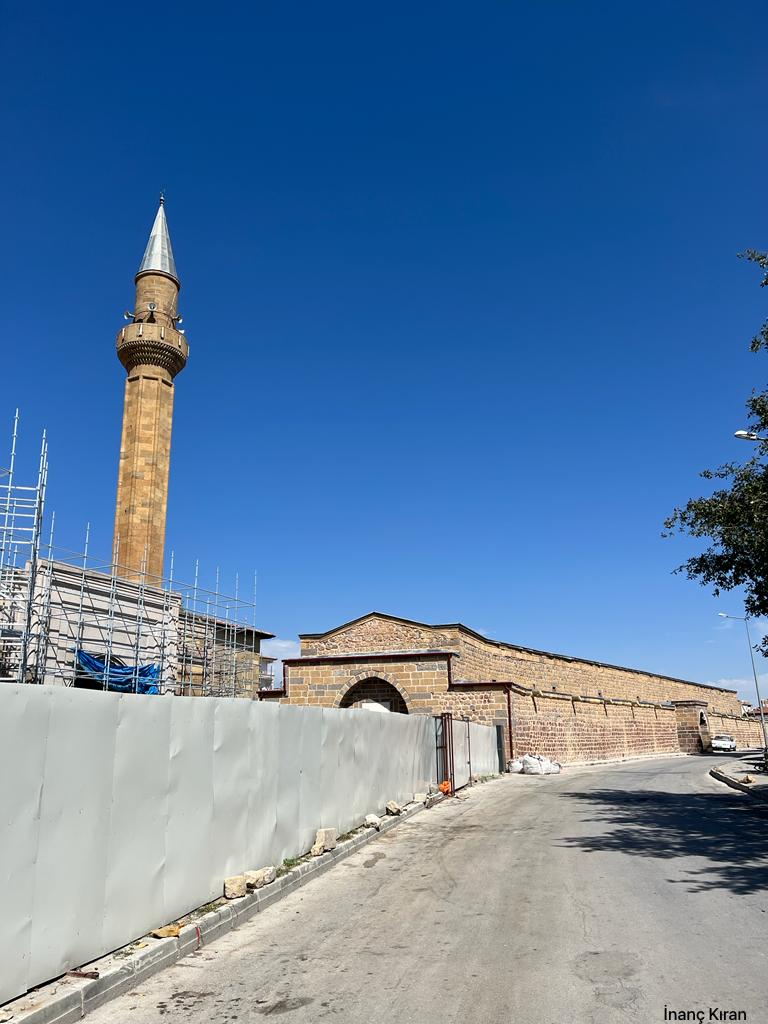
İlhanlıların Niğde valisi Sungur Bey tarafından 1335 yılında inşa ettirilmiştir. 18. yüzyılda yangın geçirerek özgün mekân düzenini yitirmiştir.
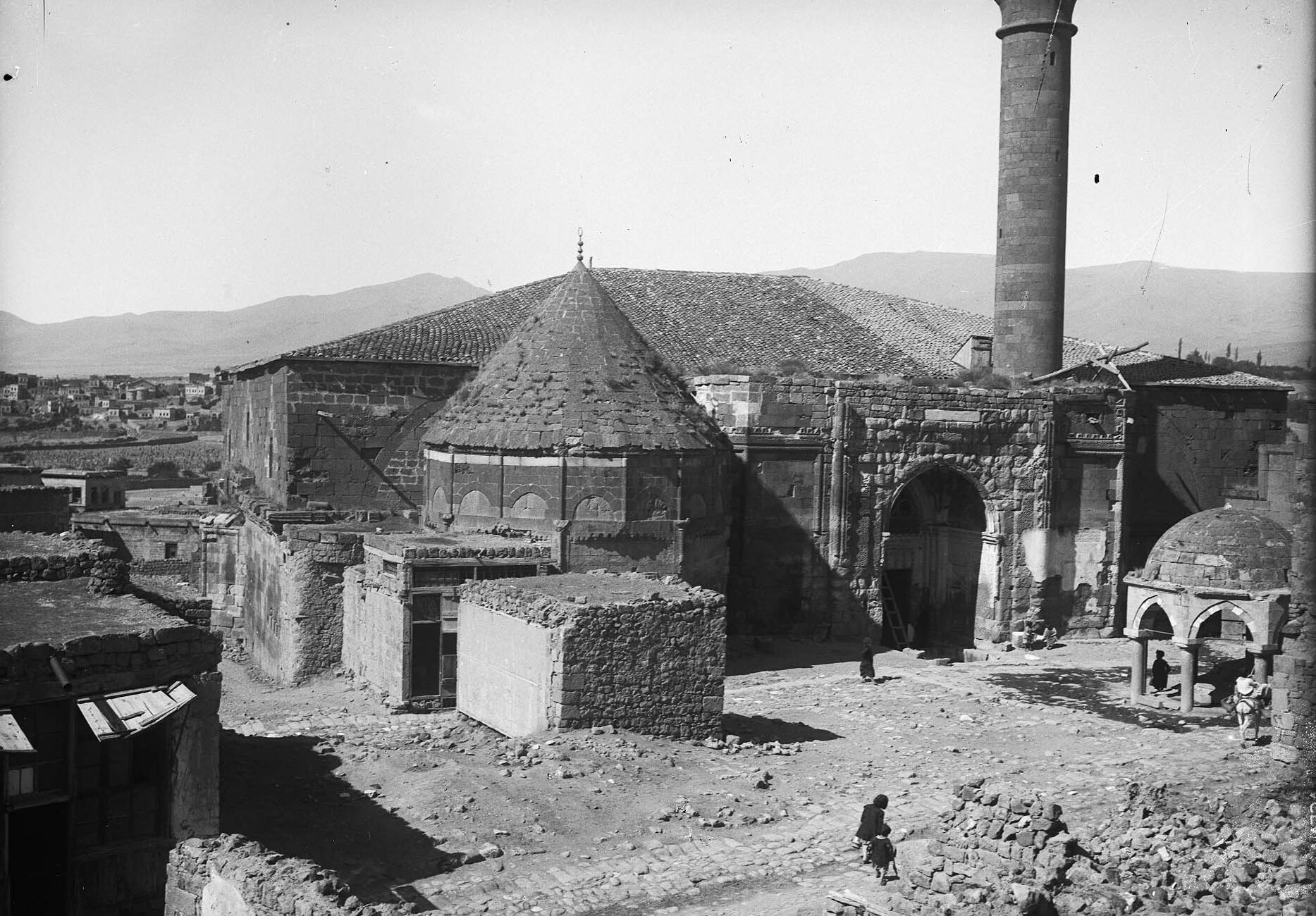
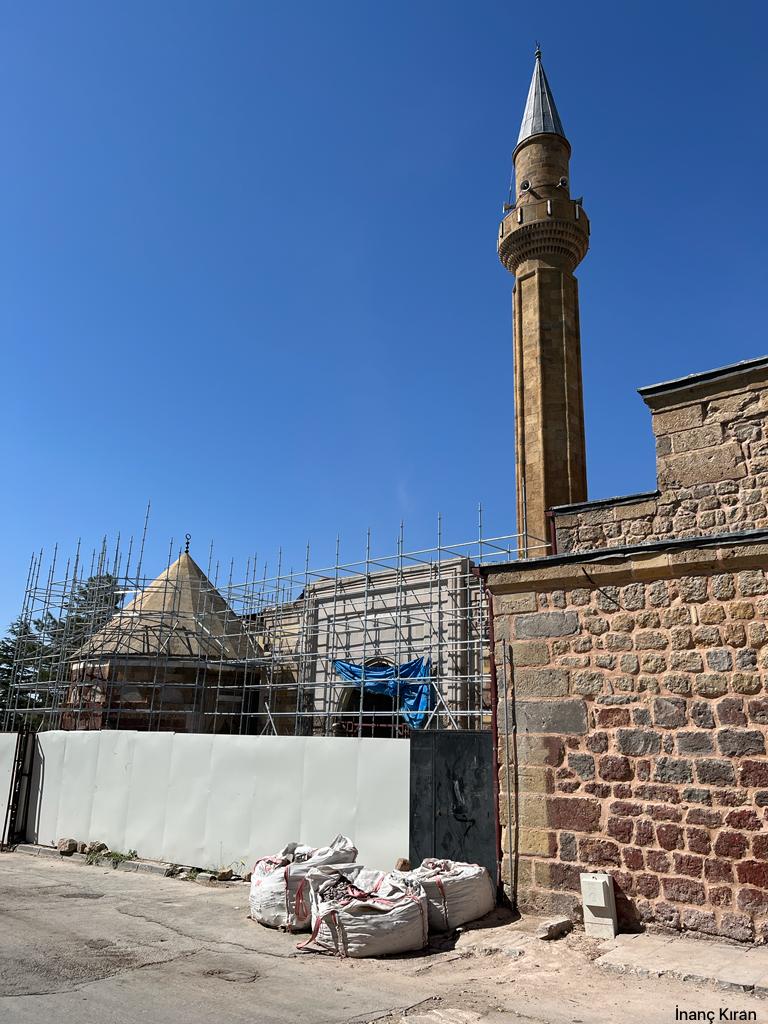
Tümüyle taştan inşa edilen yapının doğu ve kuzey cephelerinde birer taç kapısı bulunmaktadır. Eyvan biçimli çifte minareli doğu taç kapısının güney minaresi yıkılmıştır. Doğu taç kapının kaburgalı haç tonozu ile batı cephesinin pencereleri Gotik üslupludur.
Güneyinde sekizgen prizma gövdeli, piramidâl külâhlı Seyfeddin Sungur Türbesi bulunan doğu taç kapısının, iç yan yüzlerinin bitkisel bezemeleri arasına 12 hayvanlı Türk takviminden alınmış hayvan figürleri kabartılmıştır. Mevcut izlerinden çok bölüntülü plan şemasına sahip olduğu anlaşılan cami mekânı günümüzde düz tavan örülüdür. Mekânın özgününde mihrap aksının iki yanında her birinde eşit aralıklı üçer sütun bulunan birer destek sırasının kuzey güney ve doğu batı yönlerinde atılan kemerlerle 12 birime ayrıldığı, mihrap aksında yer alan dikdörtgen tabanlı birimlerin kubbe, doğu ve batı duvarlarının önünde sıralanan kare tabanlı dörder birimin, haç tonozlarla örtüldüğü ileri sürülmektedir. Mihrabı taştandır. Minberinin ahşap ustası Hoca Ebubekir’dir