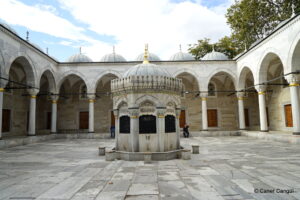
Üsküdar çarşısı içinde devrinin en güzel eserlerinden biri olan Yeni Valide Camii, Hakimiyet-i Milliye Caddesi, Balaban Caddesi ve İmam Nasır Sokağı ile çevrili geniş bir alanı kaplar. Cami avlusuna bu yollara açılan beş kapıdan girilir. Hakimiyet-i Milliye Caddesi’ne açılan kapı, çarşı tarafında bulunduğundan ‘Çarşı Kapısı’, eski Bit Pazarı kapısının karşısında bulunan ikinci kapı, ‘Bat Pazarı Kapısı’ veya ‘Sebil yahut Hünkâr Kapısı’ isimleriyle anılırdı. Üçüncü kapı, Arasta Çarşısı’na açıldığından ‘Arasta veya Bedesten Kapısı’, Balaban Caddesi tarafındaki dördüncü kapı, ‘Balaban Kapısı, Cümle Kapısı, İmaret Kapısı veya Mektep Kapısı’ adlarıyla bilinirdi. Beşinci kapı ise, ‘Uncular Kapısı, Değirmen Kapısı, Mescit Kapısı, İmam Kapısı’ isimleriyle meşhurdu. Bu yöndeki kapılar isimlerini, burada bulunan ve yakın zamana kadar duran bir değirmenin taşlarından, Geredeli Mescidi’nden ve İmam Nasır’ın yaptırmış olduğu bir çeşmeden almıştı.
Külliye, cami, hünkâr mahfili, çeşme, sebil, türbe, muvakkithane, mektep, imaret, şadırvan, havuz, su deposu, çarşı, bedesten ve meşruta evlerinden oluşuyordu.
Mabet oldukça büyük bir avlunun ortasındadır. Düz bir sahada ve sel yataklarının ortasında yaptırıldığı için su basmaz merdivenlerle çıkılmaktadır. İç avlu veya şadırvan avlusunun iki yanlarında ve bir de cümle kapısı tarafında olmak üzere üç kapısı vardır. Üzerlerinde Hezarfen Mehmet Efendi’nin hattı ile yazılmış âyetler bulunmaktadır. Sol tarafındaki kapı üzerinde imzası vardır.
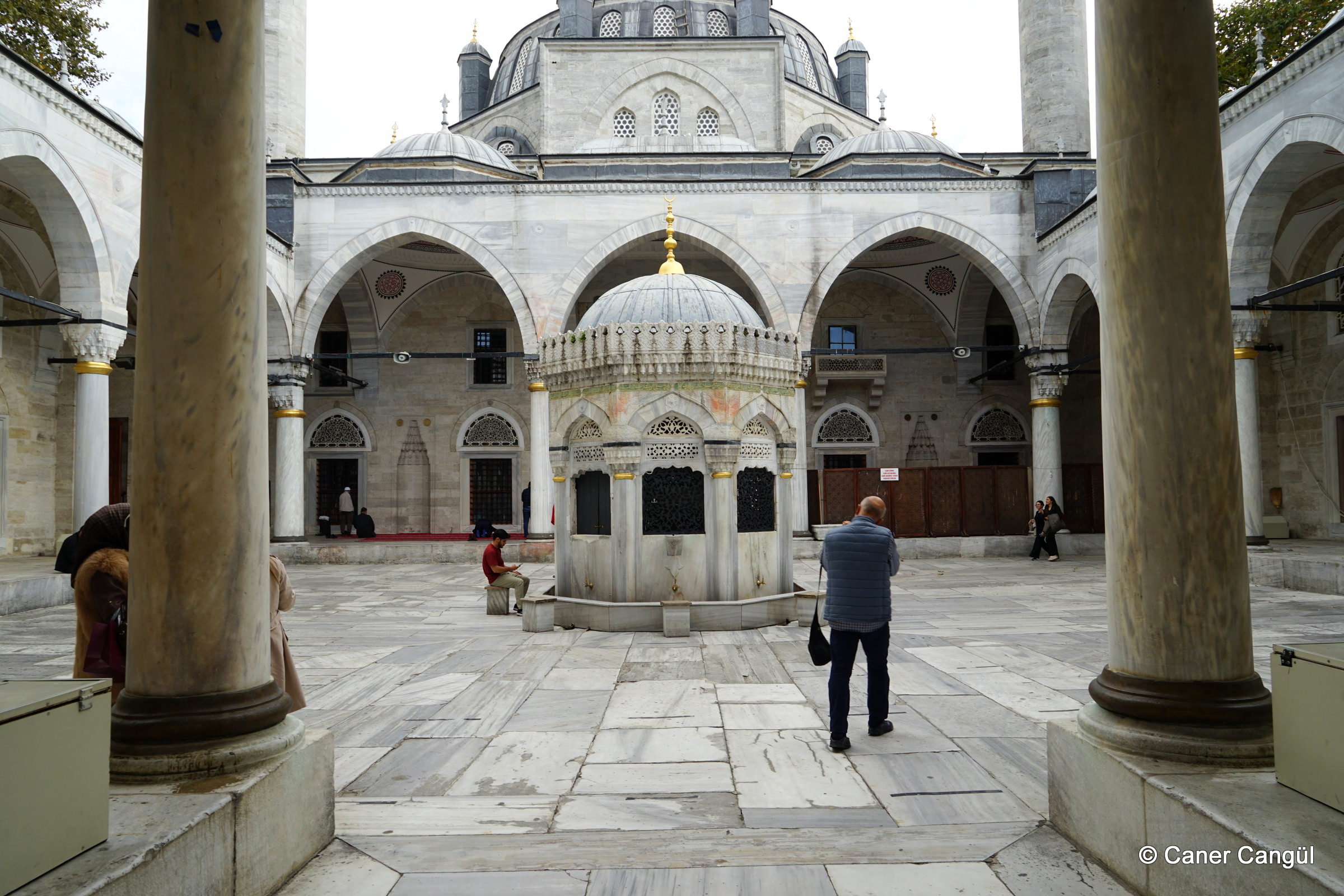
Şadırvan avlusunun her cephesinde alt üst altışar pencere olmak üzere 36 penceresi vardır. Bunlar klâsik demir parmaklıklı ve içten tahta kapaklıdır. Avlunun zemini mermer kaplıdır. Üç tarafı, 14 mermer sütunun taşıdığı 17 kubbeli bir revak ile çevrilmiştir. Orta yerde zarif bir şadırvan yer almıştır.
Devrinin en güzel eserlerinden biri olan bu şadırvan tamamen mermerden sekiz yüzlü olarak yapılmıştır. Her yüzün köşelerinde mermer sütunlar vardır. Bu sütunların arasına nefis pirinç şebekeler yerleştirilmiştir. Ayrıca sütunları biribirine bağlayan kemer altına, mermer oyma şebekeler konmuştur.
Şadırvanın dört yüzünde, kuşların su içmesi için küçük mermer yalaklar bulunmaktadır. Kubbesi, mermer istalaktitli bir kasnağa oturtulmuştur. Tepesinde alemi vardır. İstalaktit şekilleri türbe ve çeşmesindekinin aynısıdır. Kemerleri arasına, çeşmesindeki gibi, vazo içinde çiçek kabartmaları yapılmıştır.
Şadırvanın kemerleri ile istalaktitli silme arasına ve her yüzünde iki mısra olmak üzere 1123 (1711) tarihli, Şair Osmanzâde Taip Ahmet Efendi’nin şu kitâbesi hak edilmiştir:
Zehî hoş tarh-ı şadırvan-ı dilcû-yı sofa-güster
Ki ayn-ı Selsebîl-i sahn-ı Cennet dinse erzanî
Göreydi havz-ı berrakında bu âb-ı revân-bahşî
Sikender arzu itmezdi hergiz âb-ı hayvanı
Hezar nağme senc eyler hevâsı mürg-i tasviri
Virir hüsn-i binayı dilnişîni zevk-i ruhan
Bakılsa bir içim sudur letafetle bu şadırvan
Ki şiringam ider her-dem zülâl-i neşve-cûyânı
Güzel buldu suyun mecrayı ayn-ı mekremet hakka
Olunca böyle olsun hayr-ı câri feyz-i Rabbâni
Su gibi ezber itsün Taib’â şâd-âb olub âlem
Du’a-yı Valide Sultan-ı âlî-kadr-i zi-şanı
Hemişe mevrid-i hayr ide Hakk zat-ı hümâyunun
Dolandıkca cihanda cûlar etraf-ı gülistanı
Dedim icra idince bir dem-i hurremde tarihin
Zehî zîbinde şadırvan-ı mülkârâ-yı Sultani
1123
Kitâbenin yazarı, Şair Taib Ahmet Efendi, 1136 (1724) tarihinde Mısır Valisi tarafından zehirlenerek öldürülmüştür. Kendisinin bir çok eseri vardır. Bunlar arasında en meşhuru ‘Hadîkatü’l-Vüzera’ adlı kitabıdır.
Şadırvanın içindeki bir maksem, suyun akışını tanzim etmektedir.
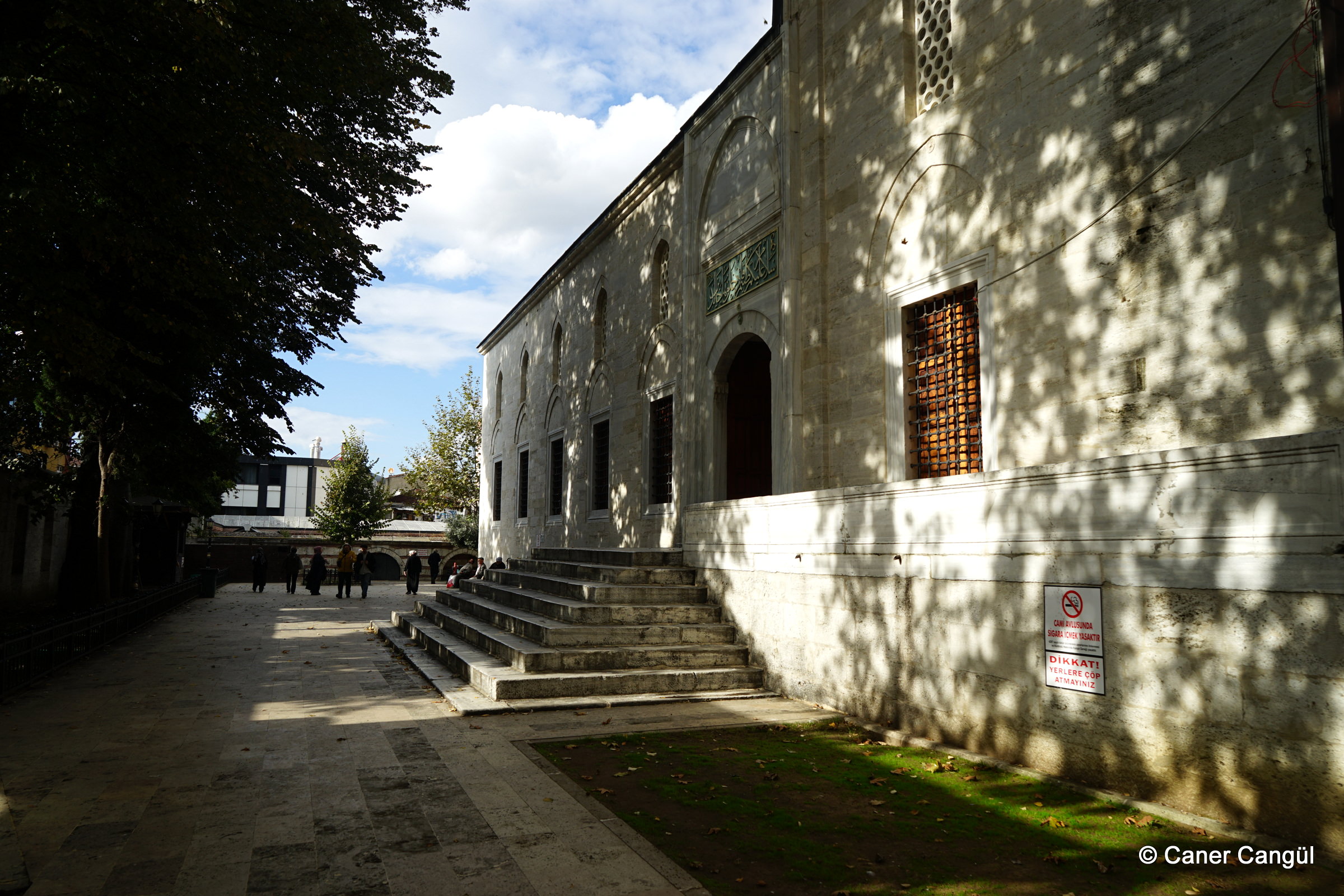
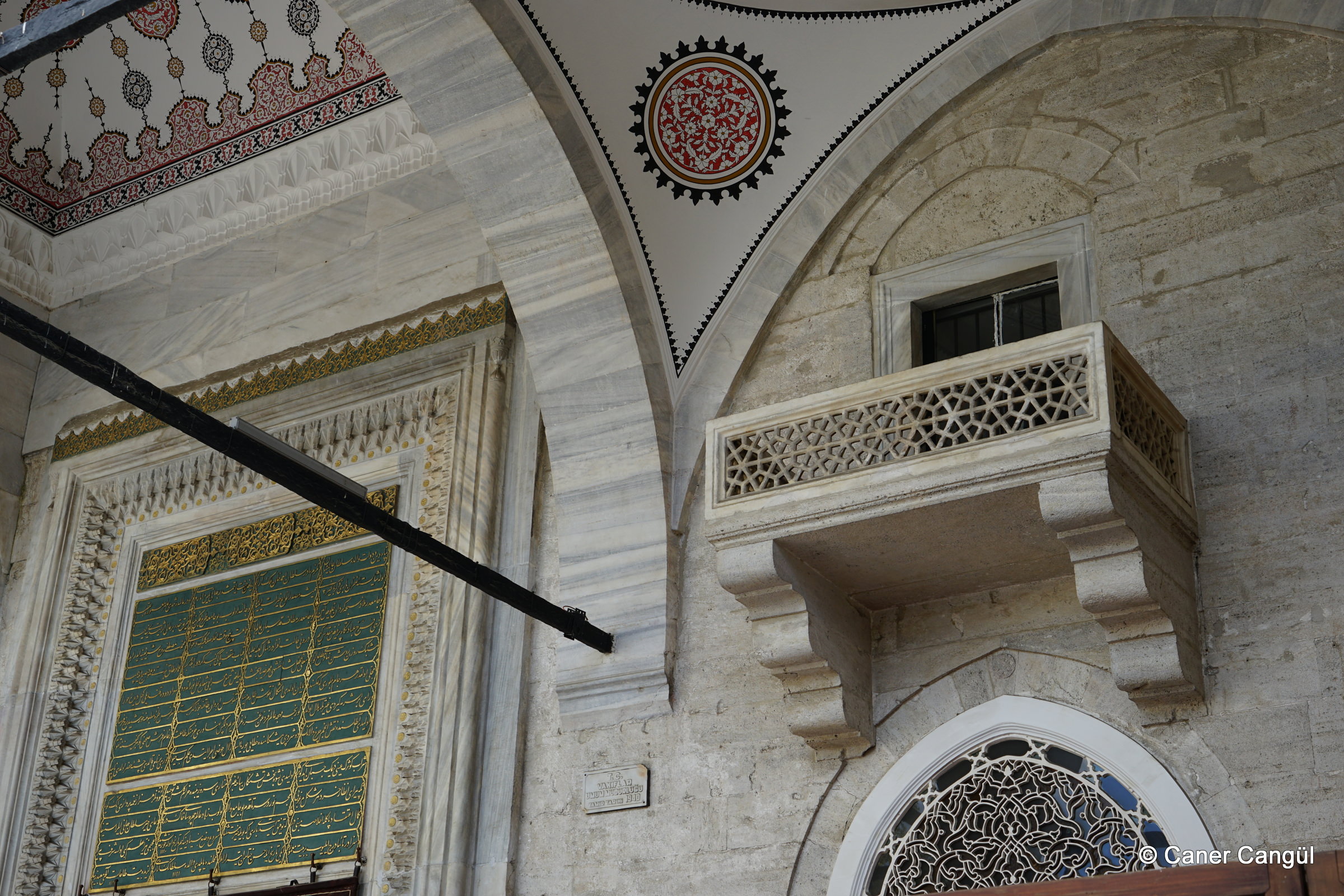
Camiin yüksek cümle kapısı, mermer taş işçiliğinin görkemli bir örneğidir. Önünde, dört mermer sütunun taşıdığı beş kubbeli bir revak bulunmaktadır. Orta ve iki yanlardaki beşik kubbeli olup sütun başlıkları istalaktitlidir. Son cemaat yerinde istalaktitli iki mihrab, alt ve üstte dörder pencere ve iki yanda minare kapıları bulunmaktadır. Ayrıca burada kesme taş konsollar üzerine oturtulmuş, mermer şebeke korkuluklu bir mükebbire vardır. Kubbe içleri kalem işi nakışlarla bezenmiştir. Kapının sağ tarafındaki bir kitâbede camiin, Vakıflar Müdürlüğü tarafından 1940’ta tamir ettirildiği yazılıdır.
Cümle kapısının ve kitâbesinin etrafını, eşlerine türbesinde, çeşme, şadırvan ve iç avludaki revaklar üzerinde rastladığımız, istalaktitli bir korniş çevirmiştir. Bunun içinde yine Taib Ahmet Efendi’nin yazmış olduğu, -12 satır halinde ve her satırda dört mısra olmak üzere kırk sekiz mısralı şu kitâbe bulunmaktadır:
Penâh-ı din ü devlet Valide Sultan-ı âlişân
Mükerrem mâder-i Sultan Ahmed Han-ı mülk-ârâ
Riyaz-ı Cennet itmişdir cihanı yümn-i âsârı
Odur âlemde şimdi âmir-i ma’mûre-i ukbâ
Ola şâyeste-i gufrân-ı bâri zikr-i bi’l-hayrı
Hemişe masdar-ı enva’-i hayrât eyleye
Mevlâ Livechillah olub camie tarh-efken-i bünyâd
Tarîk-i Hakk’da bir âli eser itdi ihyâ
Bu cami’dir melâz-ı subha gerdan-ı hulûs âyin
Bu cami’dir mutaf-ı kudsiyan-ı âlem-i bâlâ
Cema’at penc-vakt ihlasle gülberg-i da’vatı
Muhammed Mustafa ruh-ı şerifine ider ihdâ
Zehî ferrah ibadetgâh-ı pür feyz-i mukaddes kim
Derûnî hâlet-efzâdır misal-i Kâbe-i Ülyâ
Kıbab-ı sakf-ı pâki künbed-i gerdeva eyle hember
İmad-ı tâk şarkı amûd-ı subh ile hem-pâ
Müşebbek revzen-i rûşen nihadı matla-i envâr
Mu’allâ mahfil-i şahinşehi mühr-i ziya-bahşâ
Beyaz-ı şem’i mihrabı şua’-i nahl-ı nûr endûd
Sevad-ı dude-i kandili kehl-i dide-i havrâ
Mücella ol-kadr her cam-ı billûri ki aksinde
Nümâyân oldu eşkal-i nakûş-ı târem-minâ
Mukavves ebrûvan takına cevzâ kemer-beste
Mukarnes turre-i matbu’una hurşid rûh-fersâ
Verâ-yı ebr-i şerme girdi gayretle hilâl oldu
Görünce mehce-ı âlem fürûgun gurre-i garrâ
Harim-i dilkeş-i pehnaver-i hırmengeh-i taat
Ruham-ı ferş-i sahnı gevher-i gencine-i takvâ
Olaydı atlasında nakş-ı encüm-i çarh-i vâlânın
Düşerdi pişgâhında hata-yı bûriya âsâ
Zülâl-i havzi icra itdi hükm-i âb-ı hayvanı
Kuru bir namı kaldı çeşme-i Hızr oldu nâ-peydâ
Şarab-ı kevserin aynı dimek cüsbân idi
Kevser Olaydı neşve-bahş-ı teşnegân saha-i gabrâ
Minari serv-i zîbinde garam-ı gülşen-i tevhid
Mü’ezzinler hezar-nağme perdazı ânın gûyâ
Nigeh-pîrâyı enzar-ı hurd her şekl-i mergûbi
Mücessem nûrdur ser-ta kadem bu cami’-i vâlâ
Olub zühhad-ı âlem çehre-say-ı hak-ı dergâhı
Du’a-yı hayr-ı Sultan-ı Cihânı eyler istîfâ
Kemal-i i’tikad pakle ihlasa mebnidir
Ki tevfik itdi Bâri ana böyle hayr-ı müstesnâ
Şürû-ı vaz’-ı bünyadına kim tarih ola ‘Hurşîd’
1120
Aceb mi neyyir-i a’zam gibi olsa şeref-pîrâ
Sezadır Taib’â derc eyleyüb bir beyt-i ma’mûre
İki tarih ile hüsn-i hitamın itseler imlâ
Mahallinde yapıldı Valide Sultan’ın âsârı
1122
Güzîde beyt-i taat-ı İlâhî ma’bed-i zîba
1122 (1710)
Bu güzel yazı Hattat Fındıkzâde İbrahim Efendi’nindir. Kendisi 1134 (1722) tarihinde vefat etti. Kabri, adını verdiği Fındıkzade semtinde Nuri Dede Camii hazîresinde idi. (Tuhfe-i Hatatîn, s. 637)
Kitâbeden de anlaşılacağı üzere, mabedin yapımına 1708 tarihinde başlanmış ve iki seneden az bir zamanda tamamlanmıştır. Camiin bu cümle kapısından başka iki yan kapısı daha vardır ve su basmaz merdivenleri ile çıkılır. Kapı taklarına âyetler yazılmıştır.
İmzası ‘Ketebe Mehmed Burusevî’ şeklinde olan kitâbe yazarı Mehmed Efendi, Bursalı olup Mustafa Efendi’nin oğludur. Hezarfen ve tezhip ustasıdır. Sülüs ve Nesih hattı, Kürtzâde İbrahim Efendi’den öğrendi ve icazet aldı.
Sonra İstanbul’a geldiğinde meşhur Hattat Osman Efendi’den yazı dersleri aldı ve Saray-ı Hümayun’da hat öğretmeni oldu. Üsküdar’da Valide Sultan Camii celî yazıları ve yanındaki türbenin iç kuşak ayeti onundur. Ayrıca Damat İbrahim Paşa’nın, Şehzade başındaki Dar’ül-hadisinin celî ve ta’lik hatları, sebiline bitişik çeşmenin kemeri içindeki ta’lik kitabesi bunlarındır.
Ayasofya Camii civarında ve Bâbı Hümayun önündeki muhteşem, Sultan III. Ahmet sebil ve çeşmesinin ta’lik hatları da onundur. Başka yerlerde de yazılmış kitabeleri vardır.
Mehmet Efendi, bekâr olduğu zaman Topkapı Sarayı içindeki Nakkaşhane’de ve sonra Saka Çeşmesi’nde, Valide Hanı civarında bir hücrede oturuyordu.
‘Mürşid-i hatt’ terkibinin delâlet ettiği 1153 Rebiyülevvelinde (Haziran 1740) vefat etti. (Müstakimzâde, Tuhfetu’l-Hattatîn, s. 456)
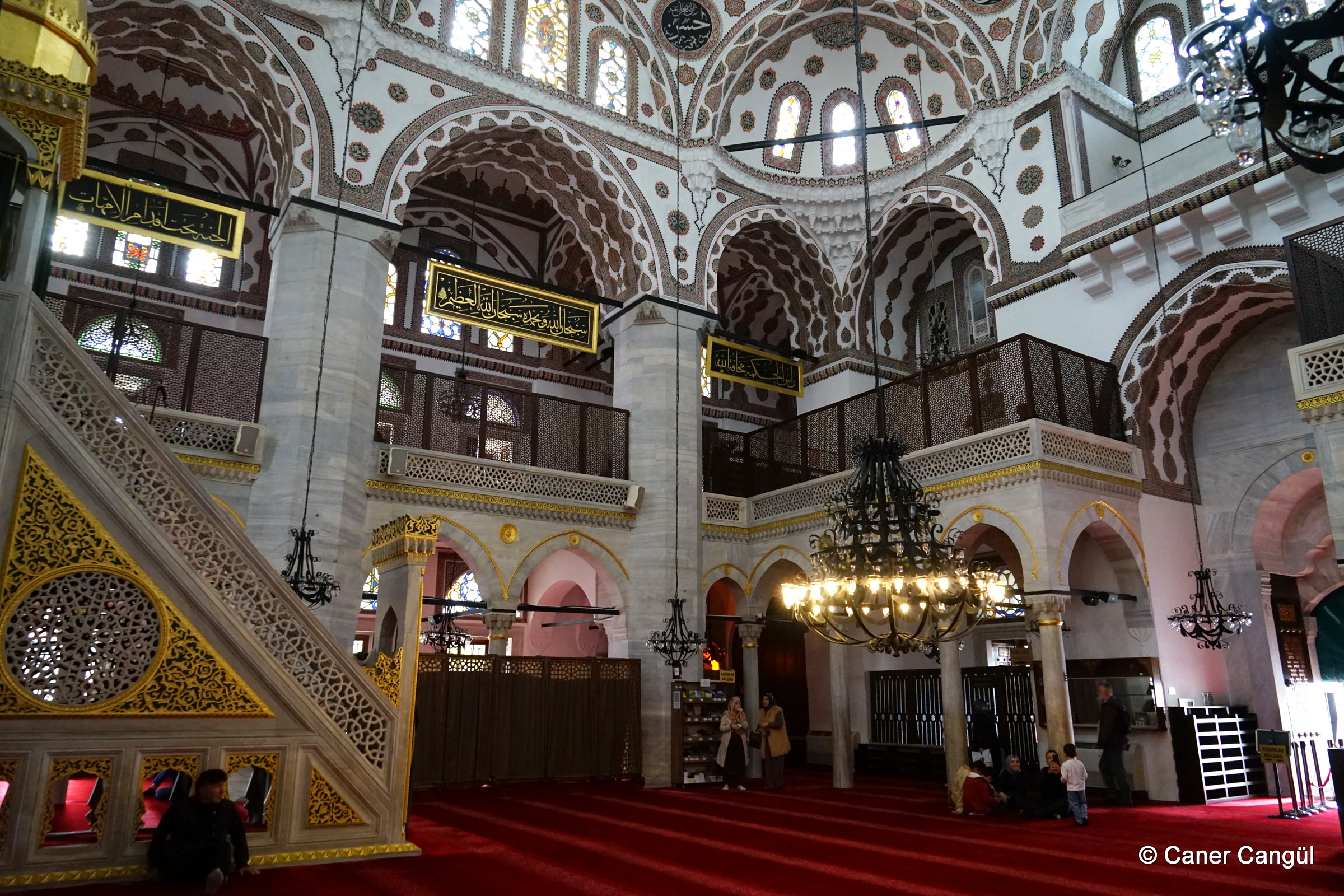
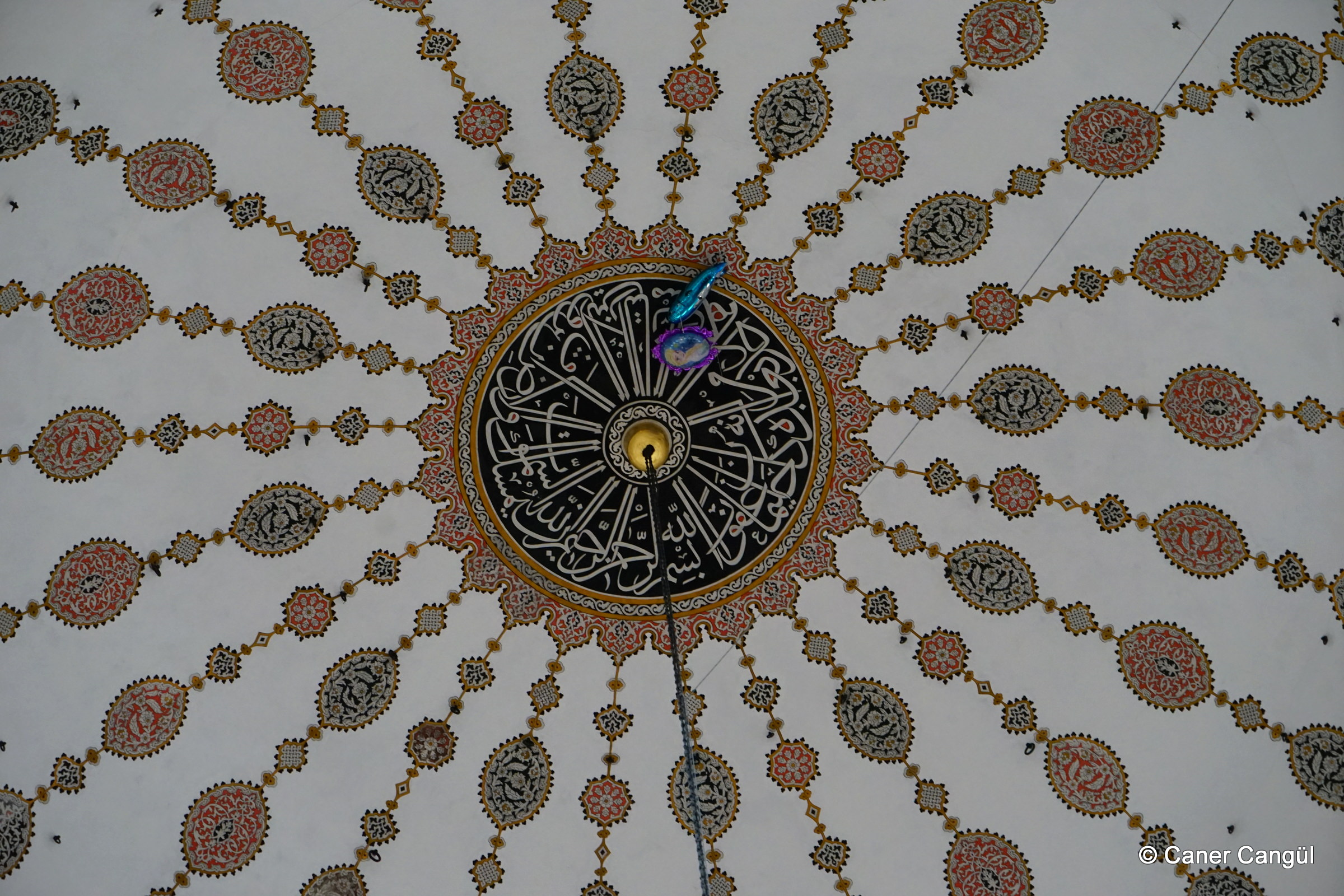
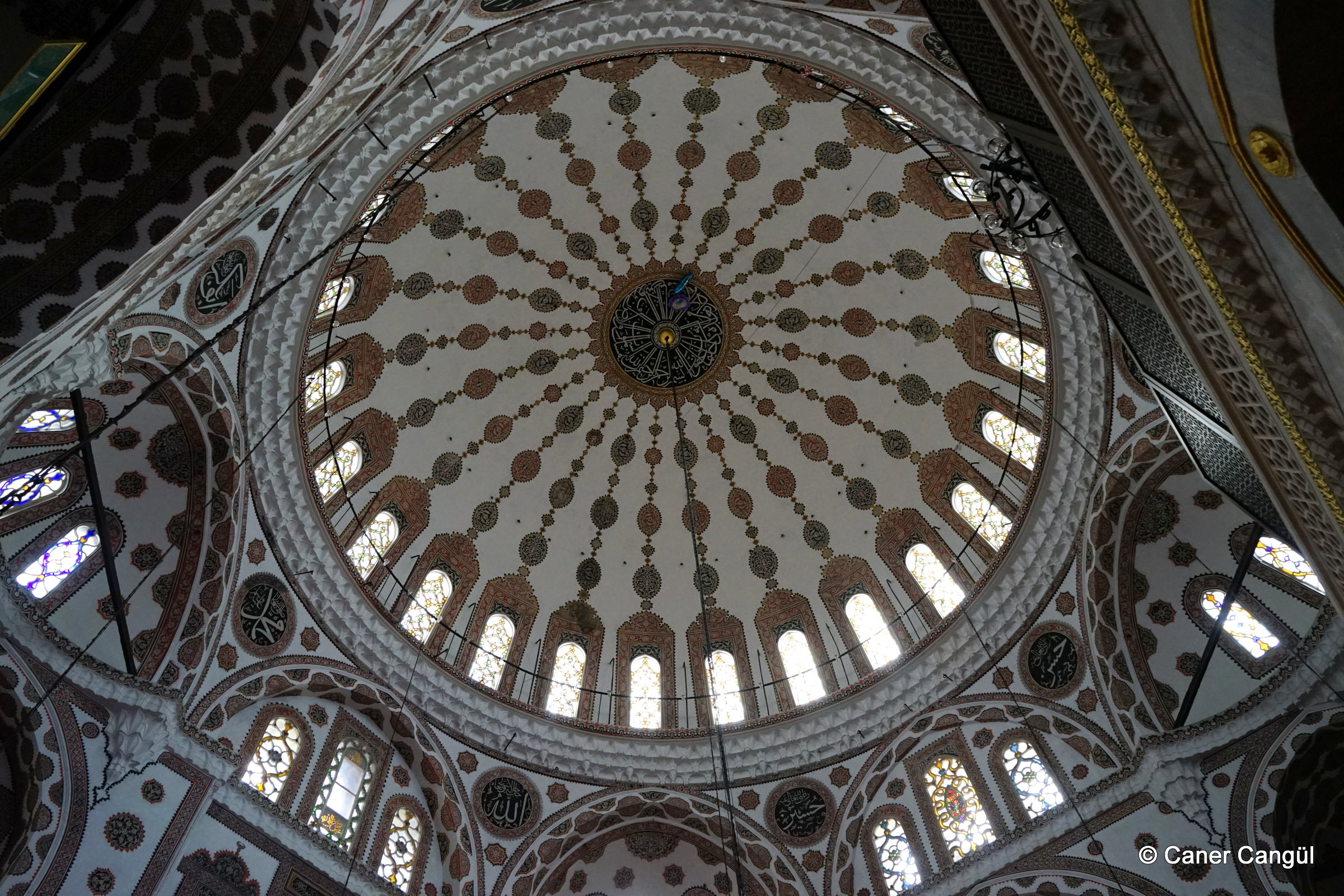
Cami, büyük bir kubbe ile örtülüdür. Yanlarda dört yarım kubbe ana kubbeyi desteklemektedir. Merkezi kubbe, dört fil ayağına istinat eden dört kemerle ve yanlardaki dört yarım kubbenin teşkil ettiği sekiz köşe üzerine oturtulmuştur. Mabet sahnı esasta kare plânlıdır.
Camiin iki yanında kıblesine kadar uzanan mahfiller, altışar mermer sütun üzerine oturtulmuştur. Üzerleri kubbeli olan yan mahfillerin, şebeke kenarlı korkulukları vardır. Sütun başlıkları istalaktitlidir.
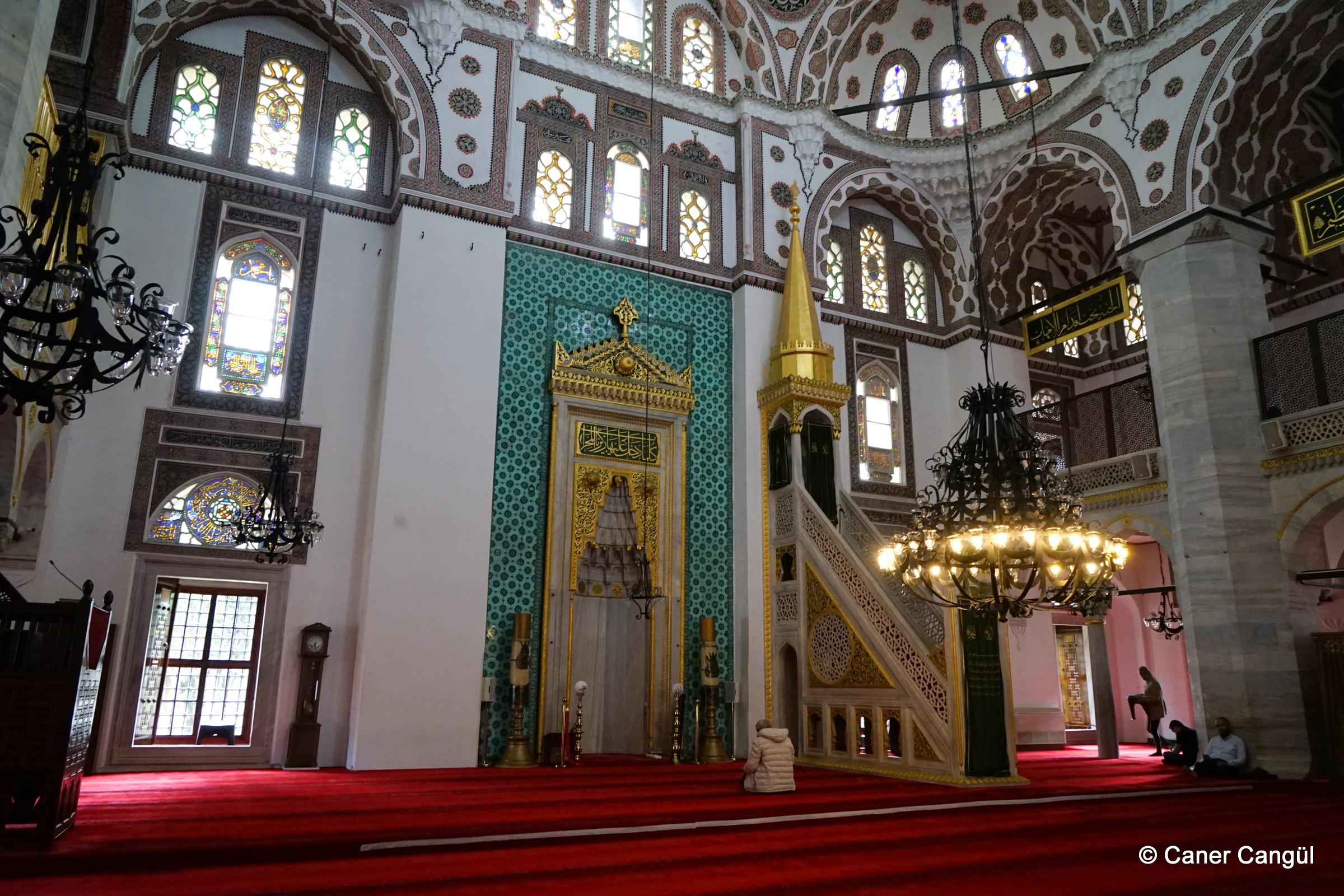
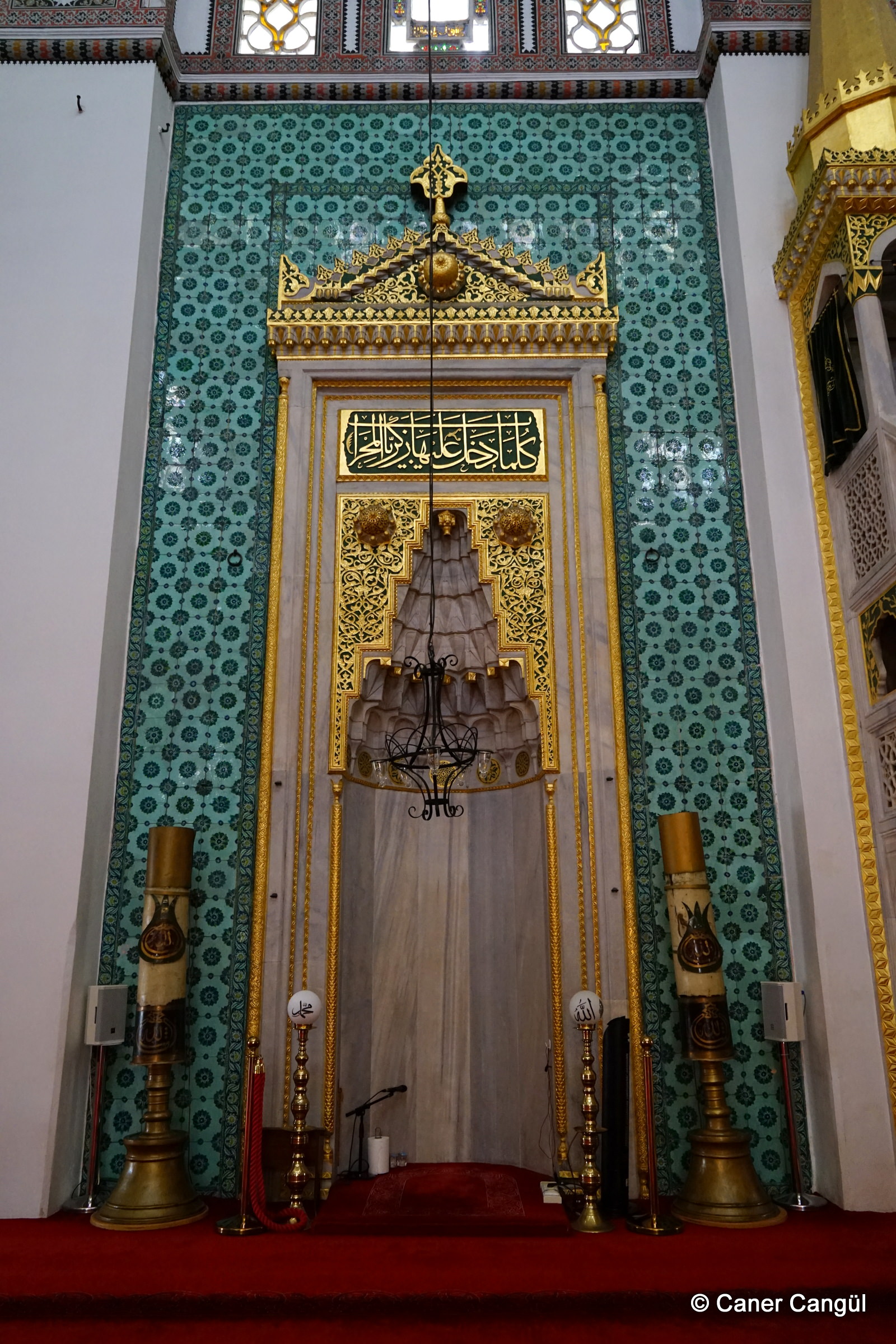
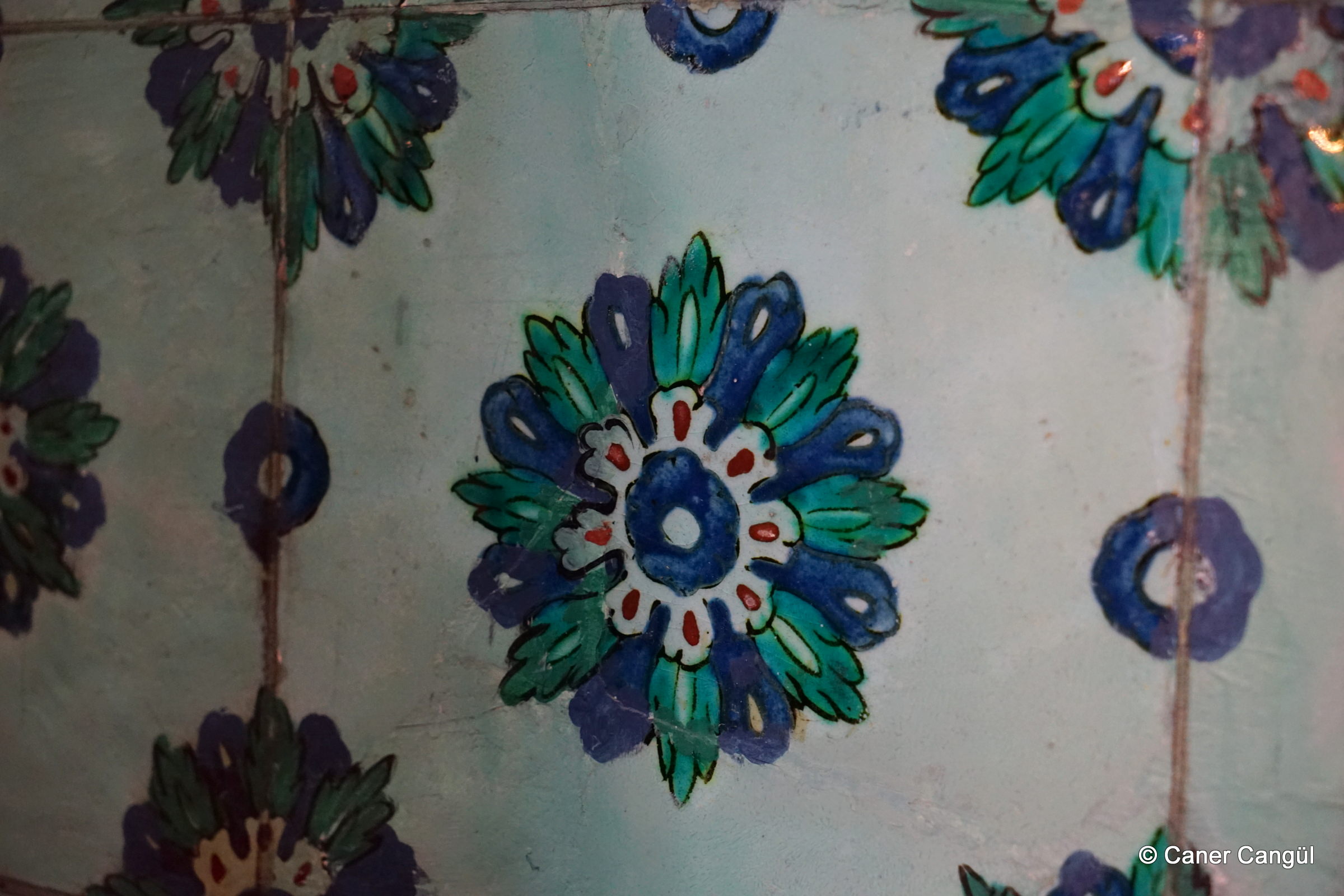
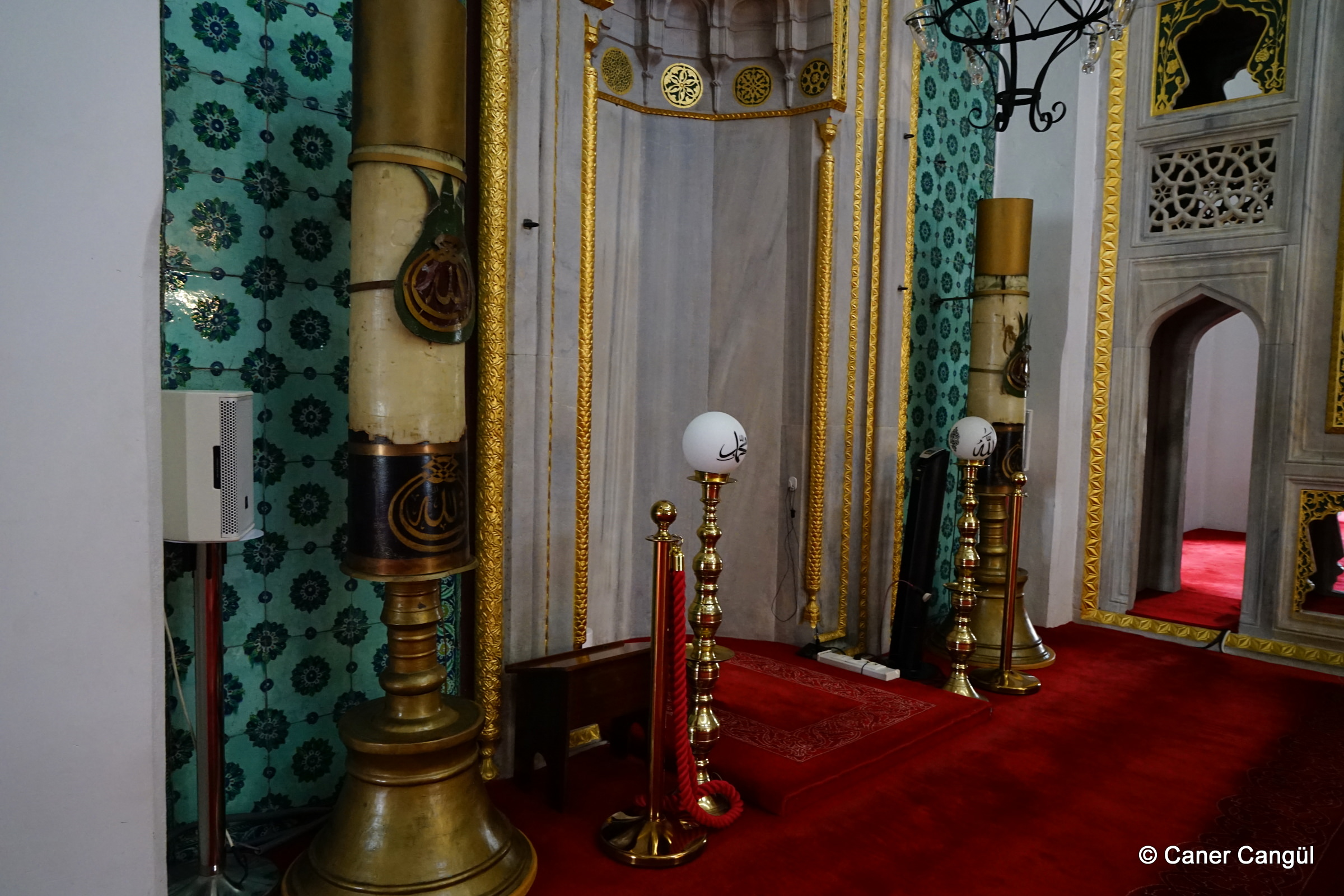
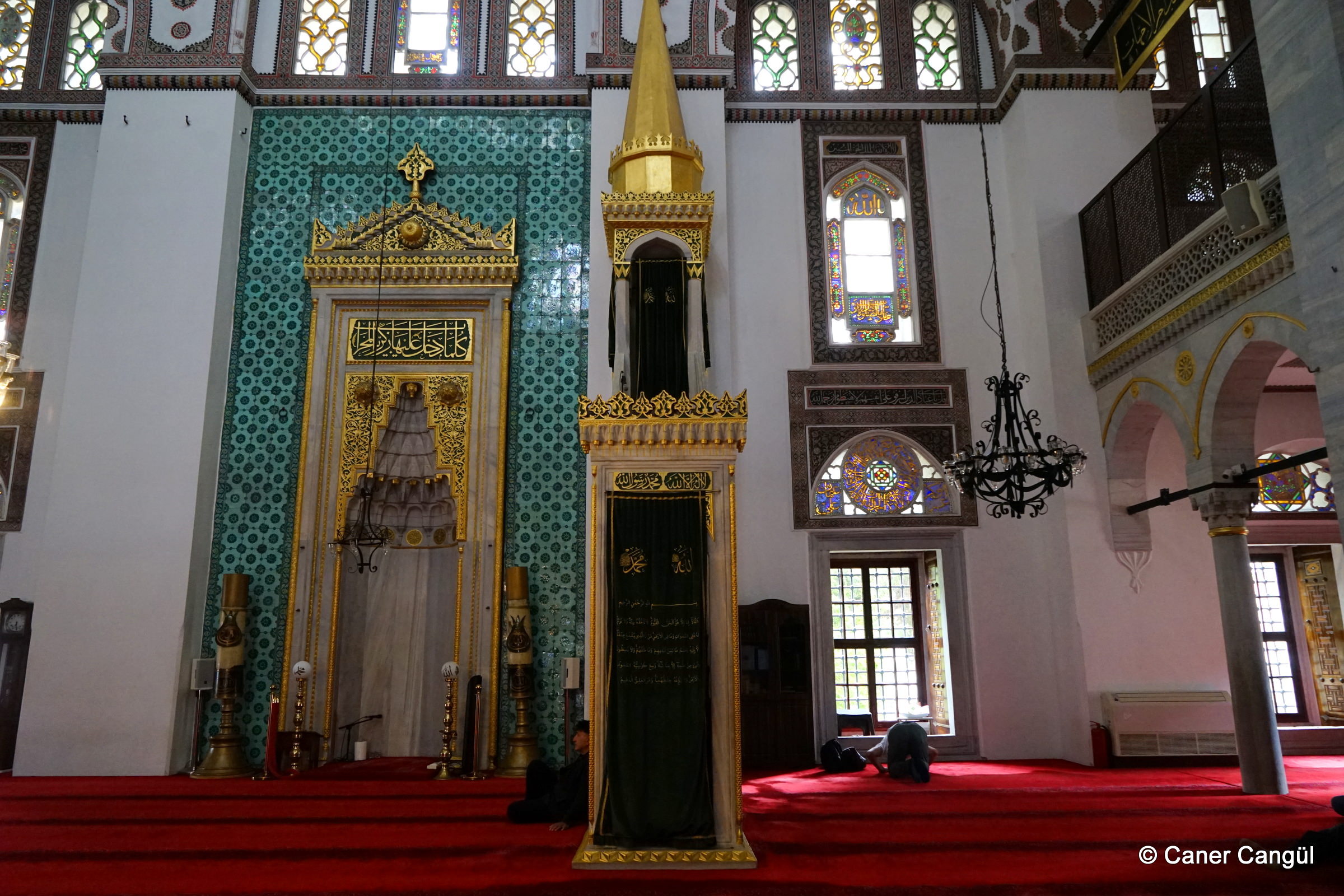
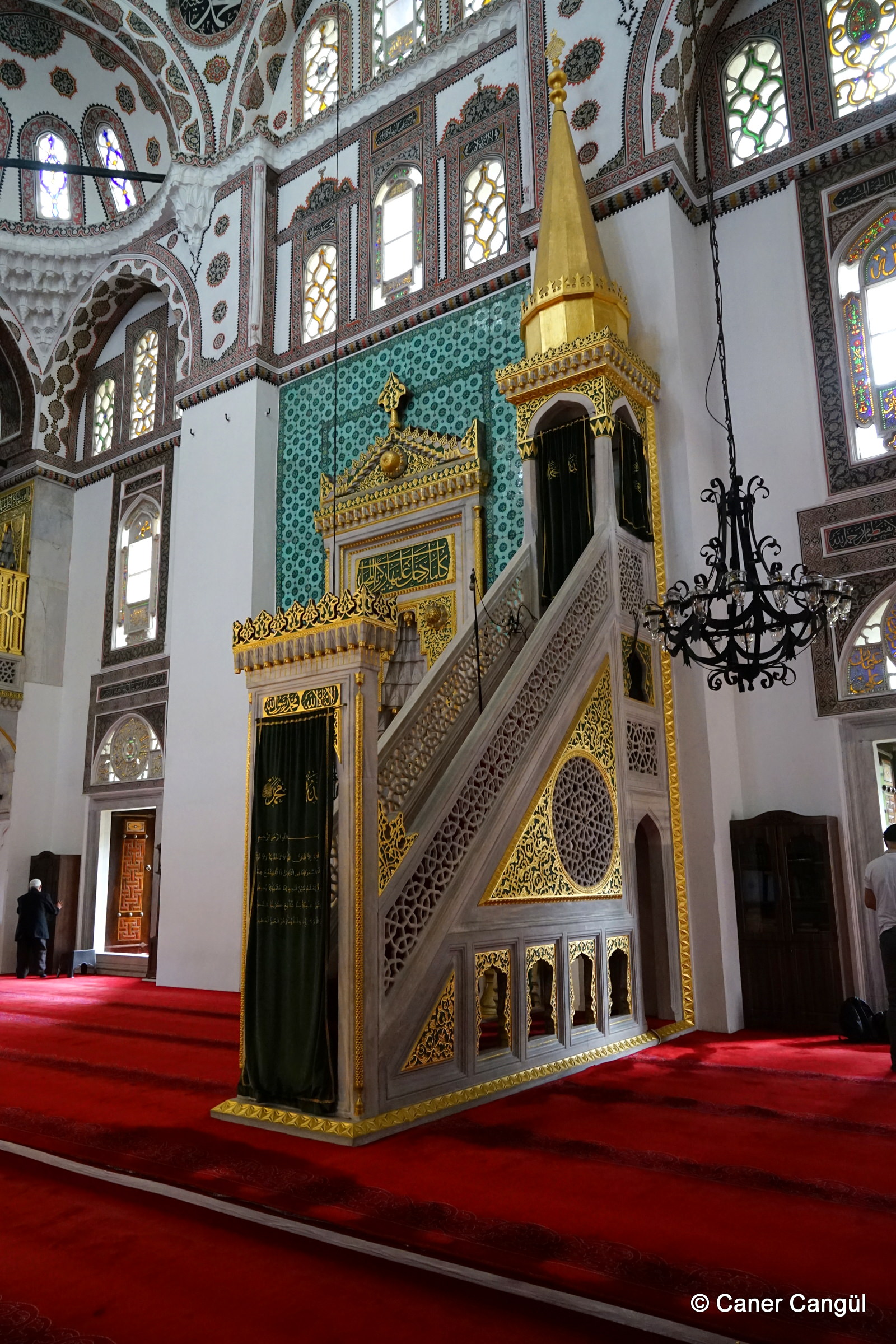
Camiin süslenmesinde çini ve mermer kullanılmıştır. Açık yeşil zemin üzerine koyu mavi göbekli çiniler, Tekfur Sarayı’nda yapılmıştır. Mermer mihrap ve minber, Türk taş işçiliğinin güzel örneklerindendir. Bilhassa mihrap üstüne işlenen şekiller dikkat çekicidir. Çiniler yalnız mihrabın iki yanında kullanılmıştır.
Kubbe kasnağının dış kenarına, üzerleri kurşun kaplı ve alemli sekiz ağırlık kulesi yapılmıştır. Kubbe kasnağında 24 pencere vardır.
Camiin iki yanında bulunan ve tamamen muntazam kesme taştan yapılan zarif minareleri ikişer şerefelidir. Mermer şebeke korkuluklu ve istalaktitlidir. Ellialtı metre yüksekliğinde olan minarelerin külahları kurşun kaplı olup üzerlerinde alemleri vardır.
Kesme taştan yaptırılan dış avlu kapılarının üzerinde kitâbe yoktur. Bu geniş avlu, kesme taş bir duvar ile çevrilmiştir. Bu duvarın üzerinde klâsik topuzlu demir parmaklıklı pencereler bulunmaktadır. Duvarın üzeri, avlu kapılarında olduğu gibi, harpuştalıdır.
Üsküdar’ı süsleyen bu zarif ve muhteşem eser, Sultan III. Ahmet’in annesi Gülnûş Emetullah Valide Sultan tarafından 1708-1711 tarihleri arasında yaptırılmıştır. Mimarı, Lâle Devri baş mimarı Kayserili Mehmet Ağa’dır.
Valide Sultan, IV. Mehmet’in Başhasekisi ve Sultan II. Mustafa ile Sultan III. Ahmet’in annesidir. Sultan Mustafa’yı 5 Haziran 1664’de Edirne Sarayı’nda, Sultan Ahmet’i ise, 30/31 Aralık 1673 gecesi Topkapı Sarayı’nda dünyaya getirmiştir. Oğlu, II. Mustafa’nın 6 Şubat 1695 tarihinde tahta çıkması üzerine Valide Sultan olmuştur. 5 Kasım 1715 tarihinde Edirne Sarayı’nda vefat etmiştir. Nâşı öküz arabası ile İstanbul’a getirilerek bu camideki açık türbesine defnedilmiştir.
Kaynak: Yüzyıllar Boyunca Üsküdar, Sayfa, 379