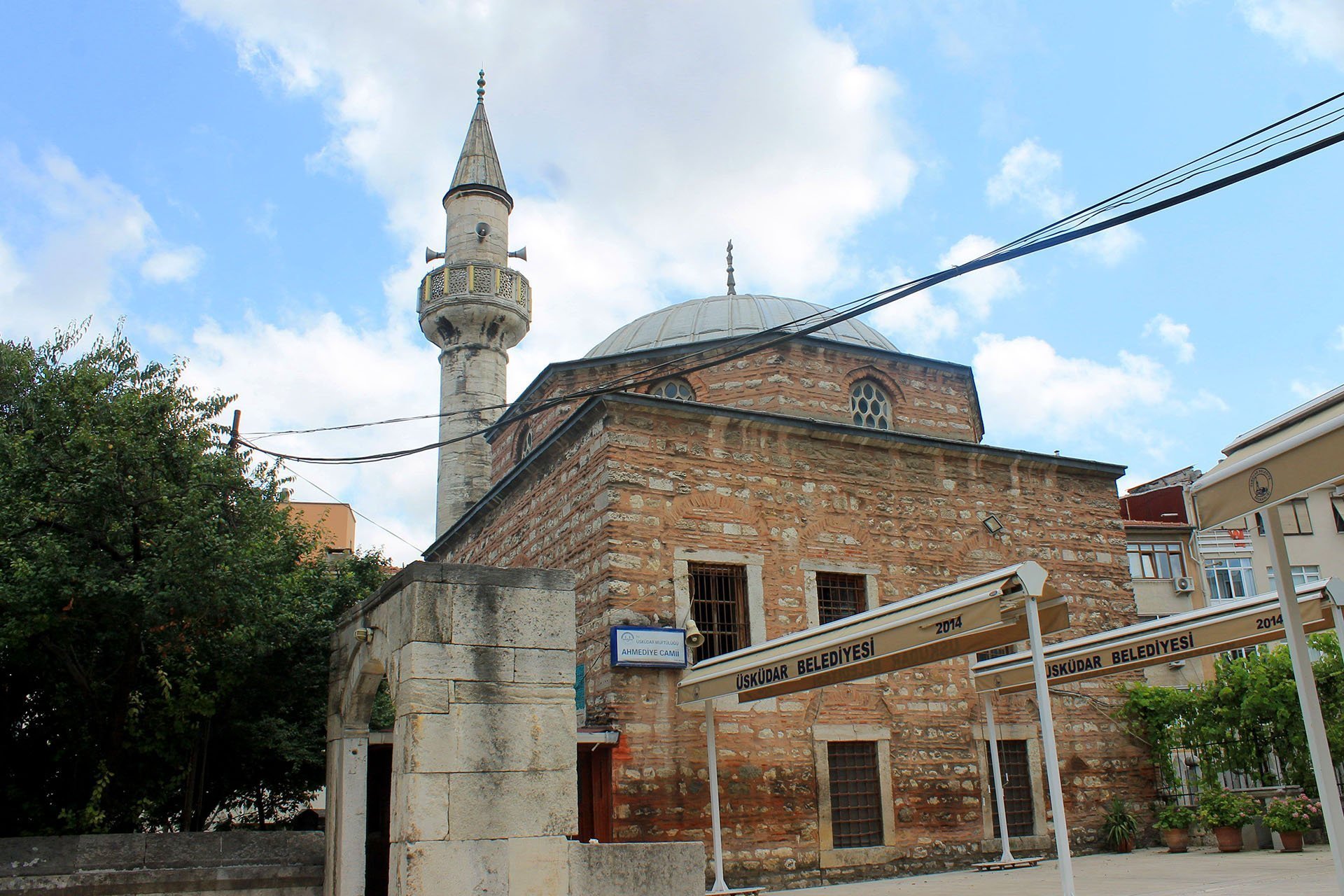
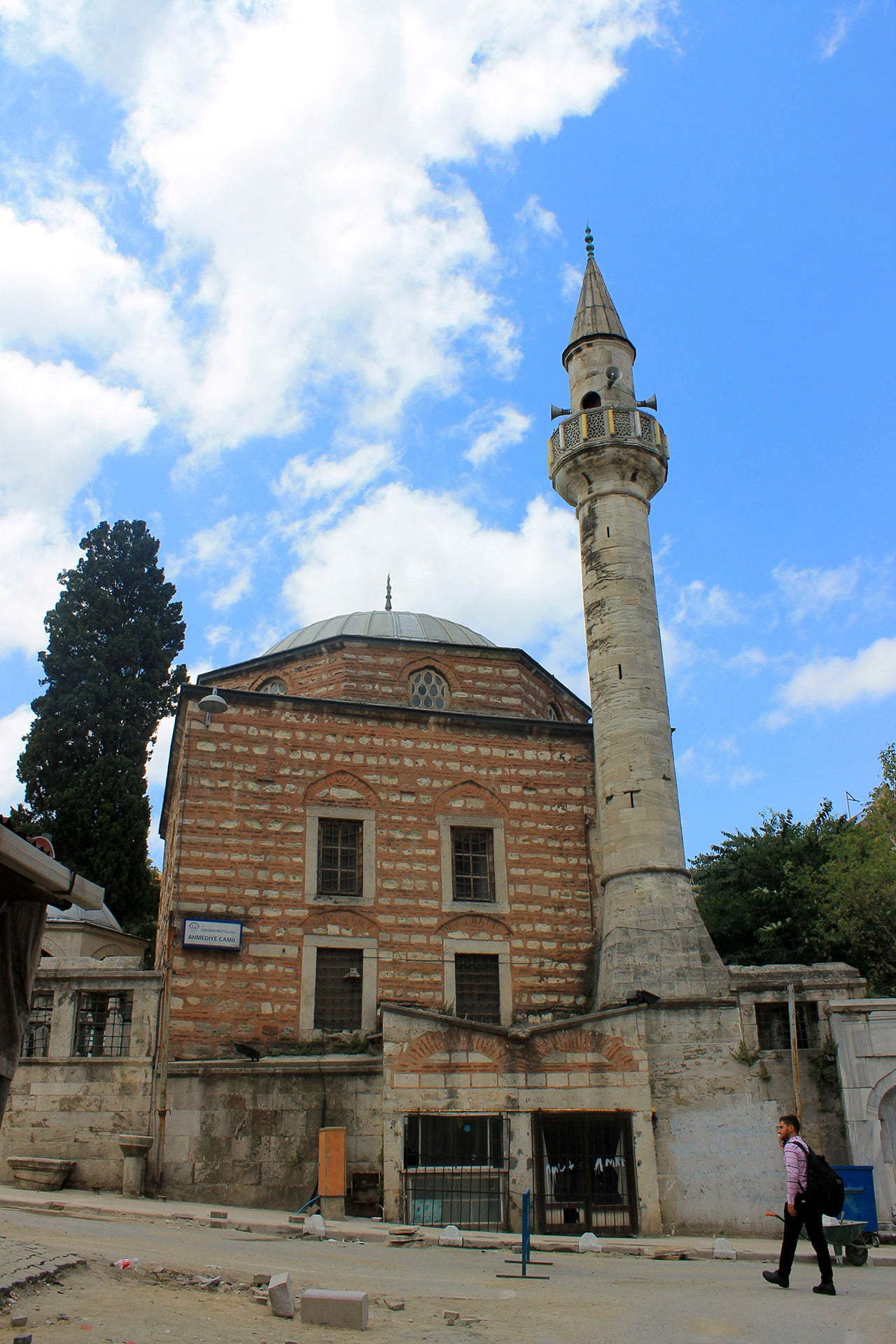
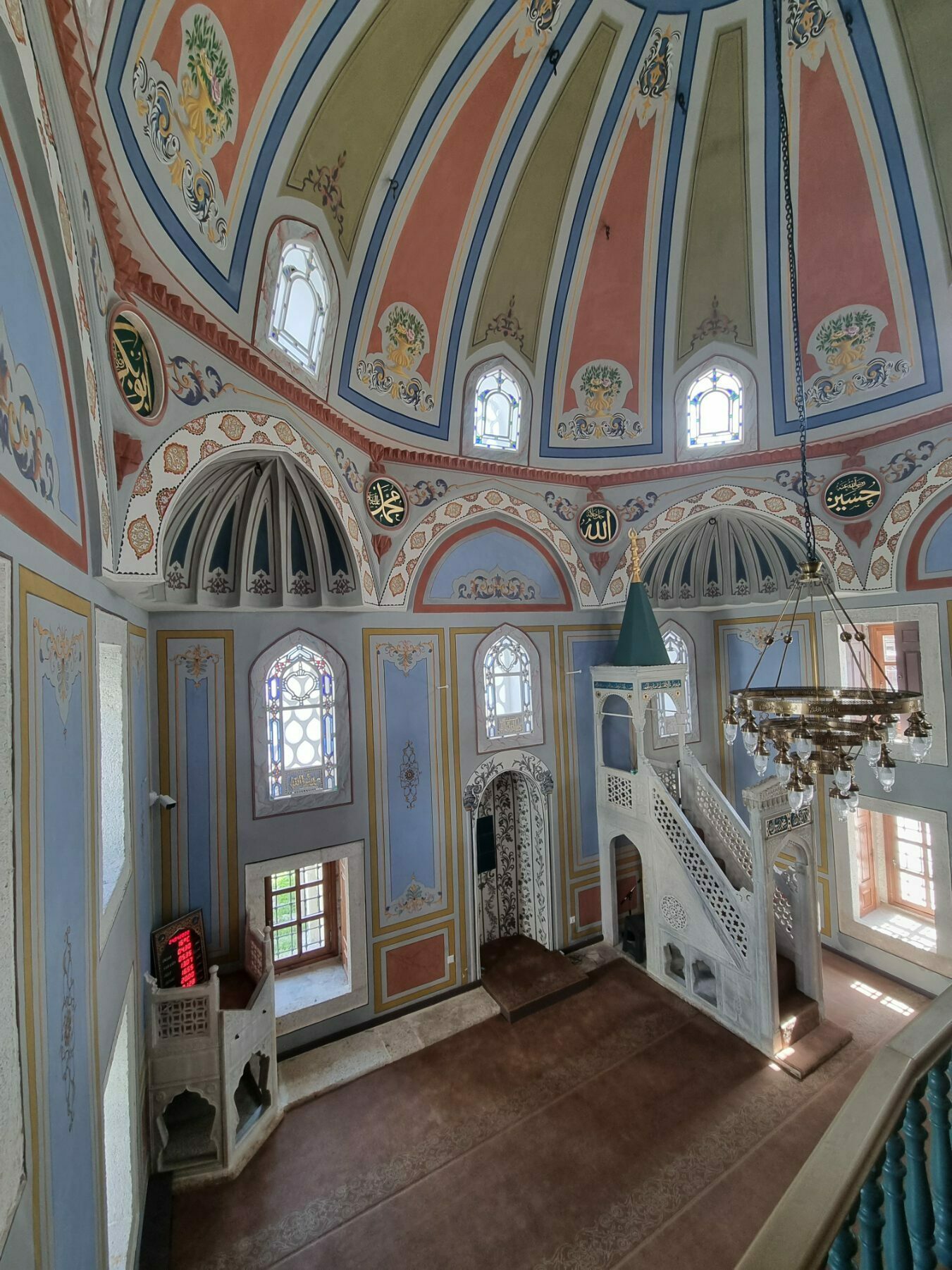
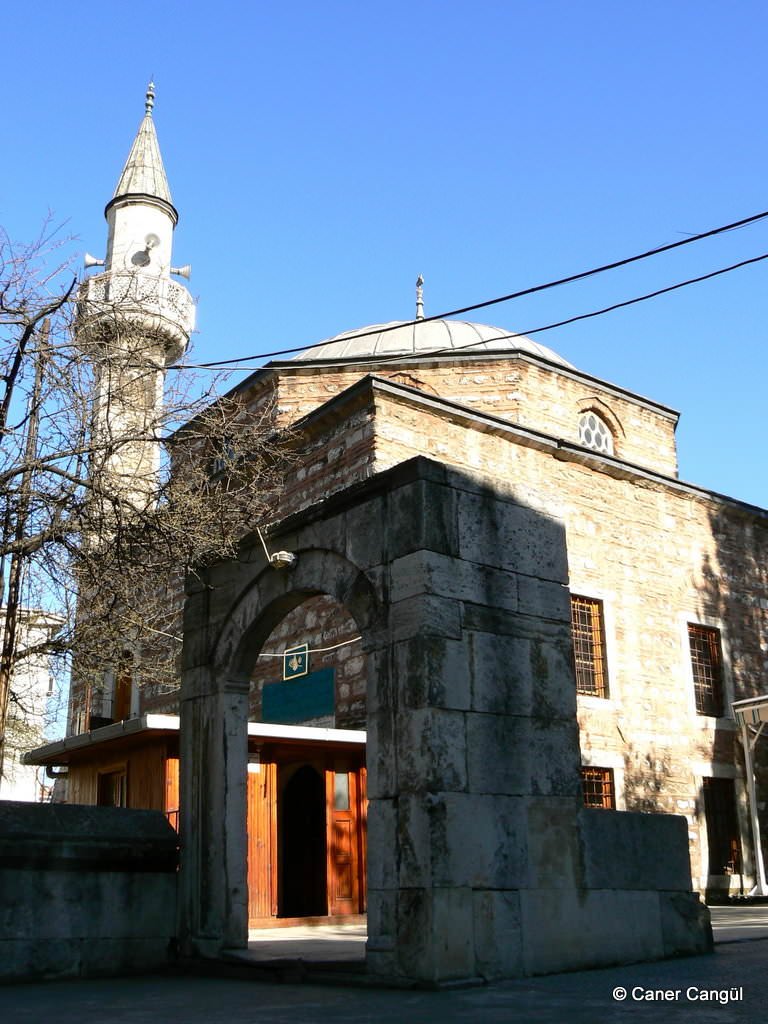
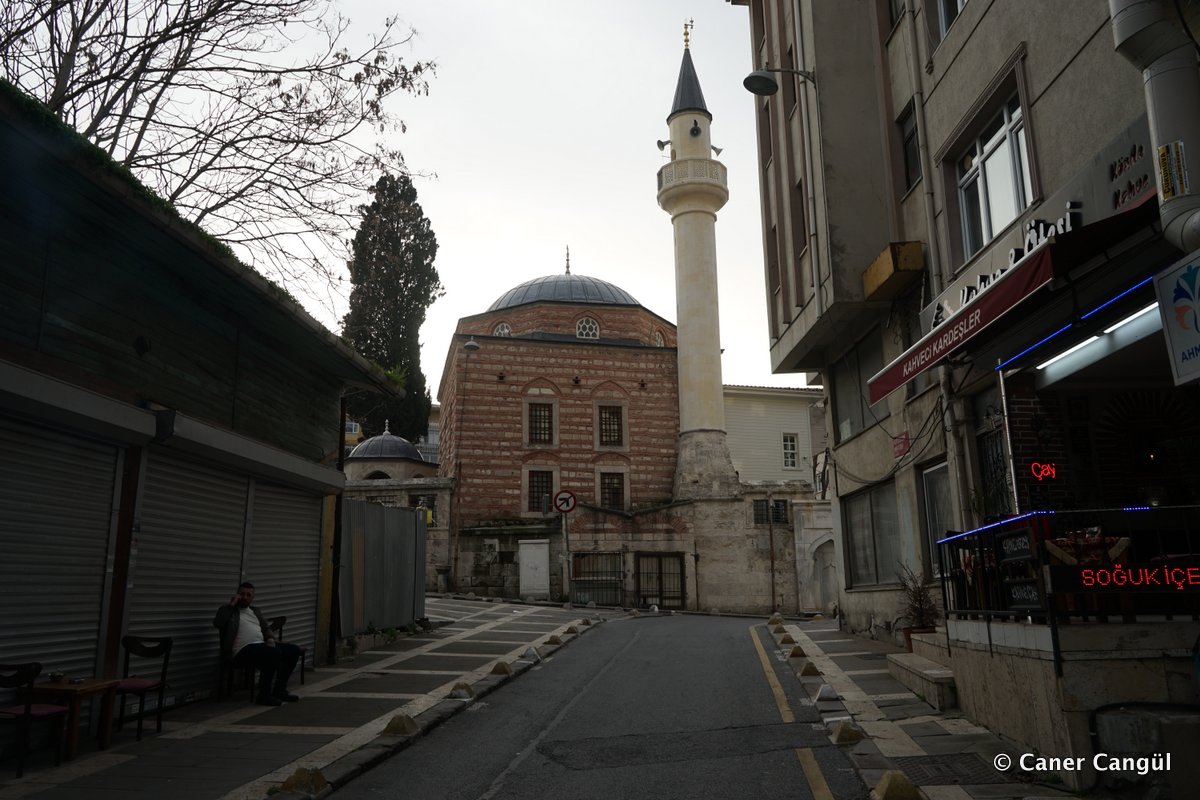
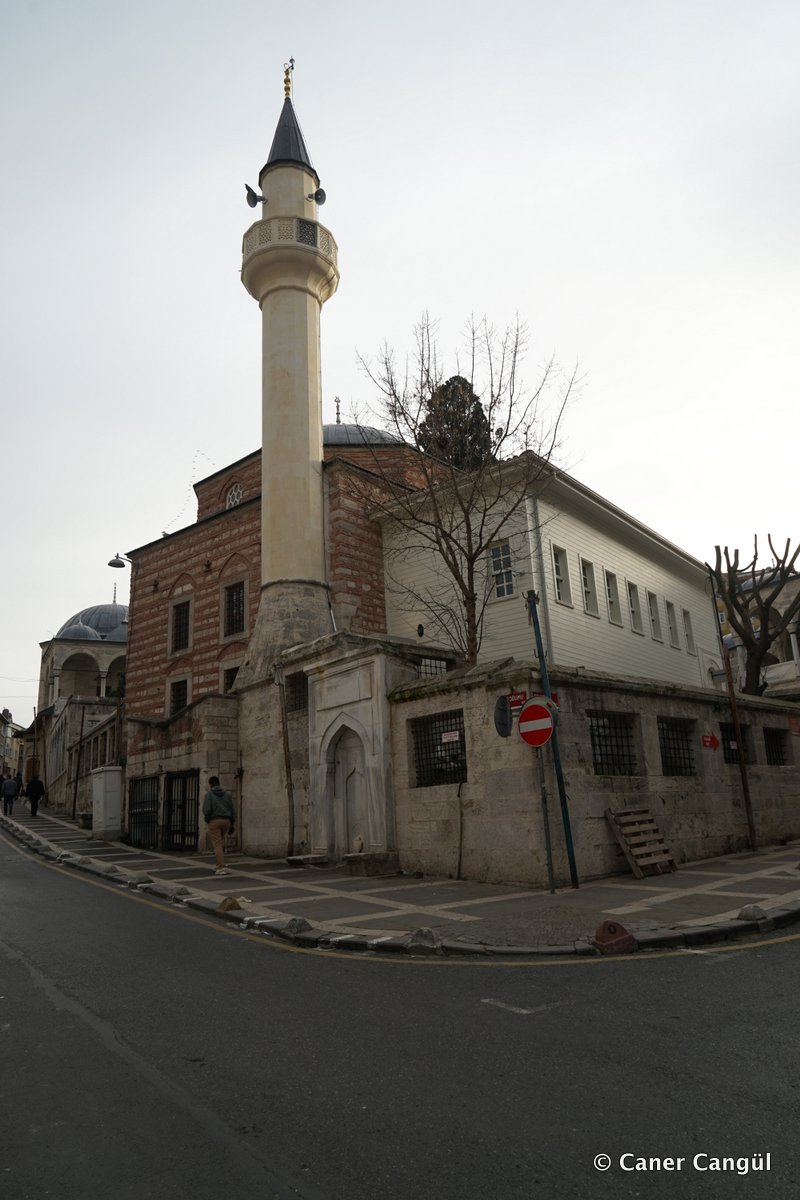
26.03.2022 tarihinde restorasyonu tamamlanarak ibadete açılmıştır. Son restorasyonda camiye son cemaat yeri eklenmiştir.
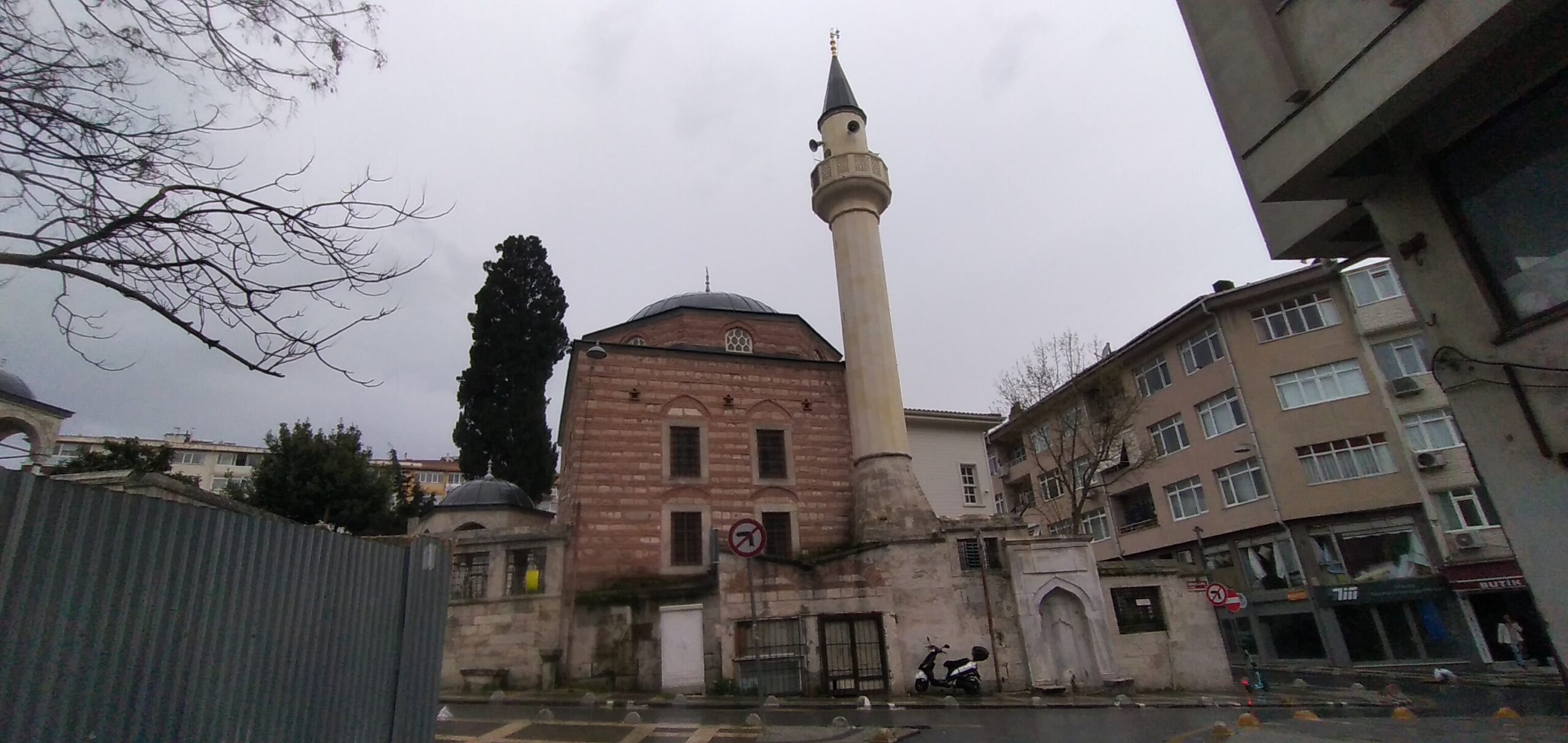
Ahmediye semtinde eski Ahmediye Caddesi’nde Yeni Gündoğumu Caddesi ile Esvapçı Sokağın birleştiği köşededir. Her iki yola açılan avlu kapıları vardır. Arazinin meylinden dolayı sokak tarafındaki kesmetaş ve kitâbesiz kapısından merdivenle avluya çıkılır. Üsküdar’ı süsleyen 18. yy. Türk yapı sanatının en güzel örneklerinden sayılan bu külliye bir cami, bir medrese, bir kütüphane, bir sebil ve iki çeşmeden oluşmaktadır.
Gündoğumu Caddesi’ne açılan istalaktitli, enlice bir korniş altında büyük bir kitâbe taşı vardır. Onun altında, etrafı kabartma çiçek nakışlı ve kenarı dantelâlı kemerli mermer kapı, kendi başına bir sanat eseridir.Dört satır halinde yazılmış olan kitâbesi şudur:
Emînzâde cenâb-ı Hacı Ahmed
Sütûde-menkabet Ağa-yı zî-şân
Bu nâzik-ter mahallin Üsküdar’ın
İdüb müstağrak-ı na’mâ-yı ihsân
Yapub câmi bu Kepçe Mescidi’ni
Getürdü su idüb atflâna reyyân
Binâ itdi bir a’lâ dershâne
Bu yolda sarf idüb mâl-i firâvân
Okunsun ilm-i din fıkh u ferâiz
Ehâdis-i Nebi tefsîr-i Kur’an
Olub hayratı makbûl-i İlâhî
Mu’ammer ide anı Rabb-i Rahmân
Müzehheb nusha-i ikbali tâ haşr
Ola vâreste asîb-i devrân
Didi bir ehl-i dil târîh-i sâlin
Zehî tahsîlgâh-ı ilm ü irfân.
Kitâbenin altında rakam yazılı değildir.
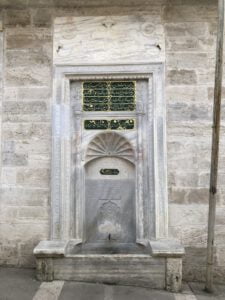
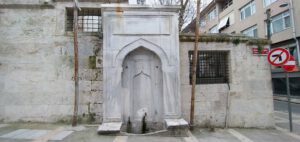
Söz konusu mermer kapıya mektep veya tekke kapısı denirdi. Sokağa açılan kapıya da kütüphane kapısı adı verilmişti. Caddeye açılan kapının sağ tarafında 1134 (1722) tarihli muhteşem bir çeşme, sol tarafında ise yine aynı tarihte yaptırılan, Lâle Devri’nin en güzel sebillerinden biri bulunmaktadır. Kapıdan üzeri tonoz kemerli bir koridora girilir. Sağ tarafındaki bir merdivenle dershaneye çıkılır. Soldaki bir kapıdan da sebile girilir. Koridordan külliyenin avlusuna geçilir. Hemen sol başta abdest muslukları mahalli vardır. Müteaddid çeşmeciklerin önünde dört mermer sütunun taşıdığı bir revak ve bunun yan ve gerisinde ise medrese odaları bulunmaktadır.
Kare plânlı cami yığma taştan, soldaki minaresi ise tamamen kesme taştan yapılmıştır. Şimdiki camiin yerinde ahşap Kefçe Dede Mescidi bulunuyordu. Bu camiin ön tarafıntaki son cemaat yeri ve onun üzerindeki ahşap meşruta yıkılmıştır. Bu yerin eski kemerli kapısı, cami cephesinde hâlâ görülmektedir.
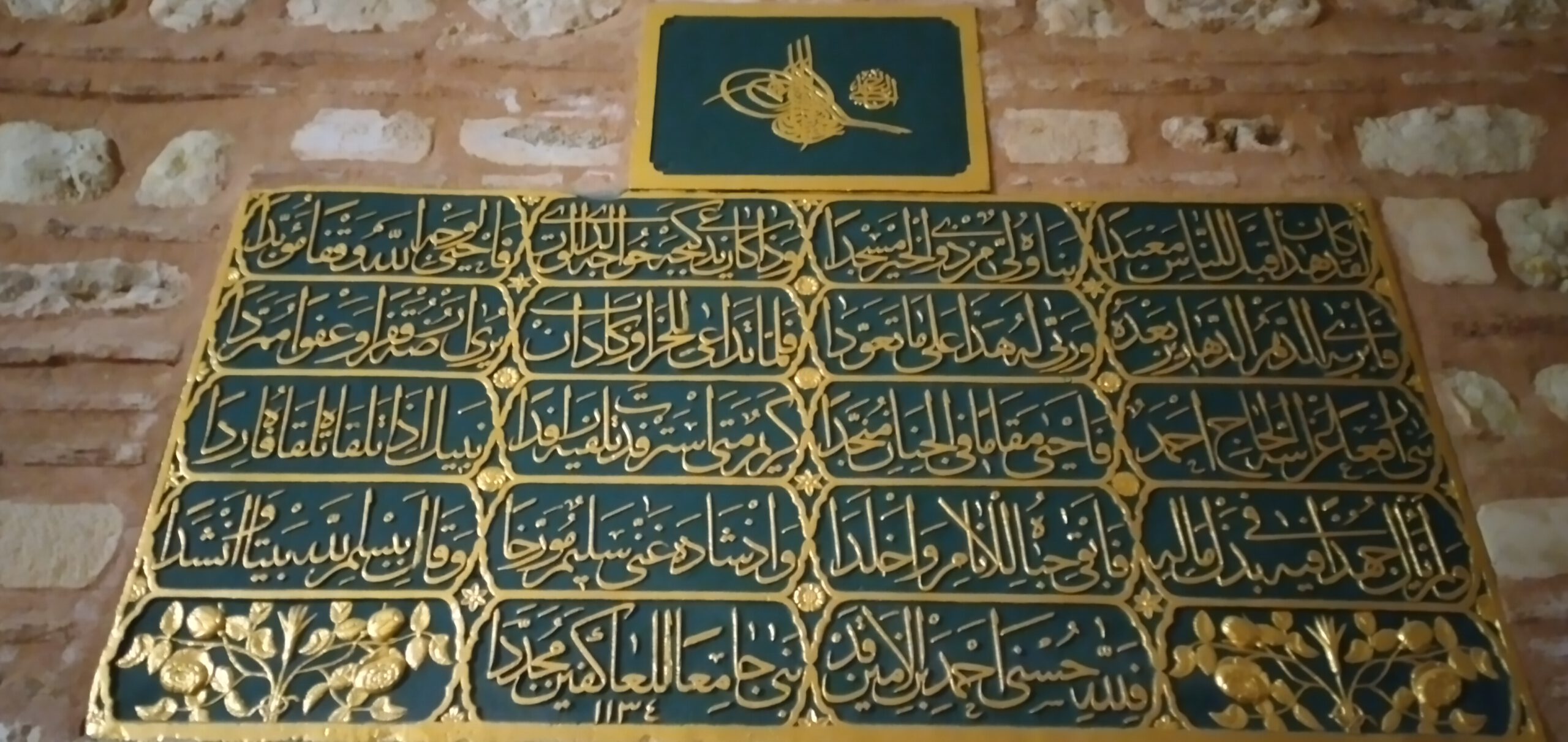
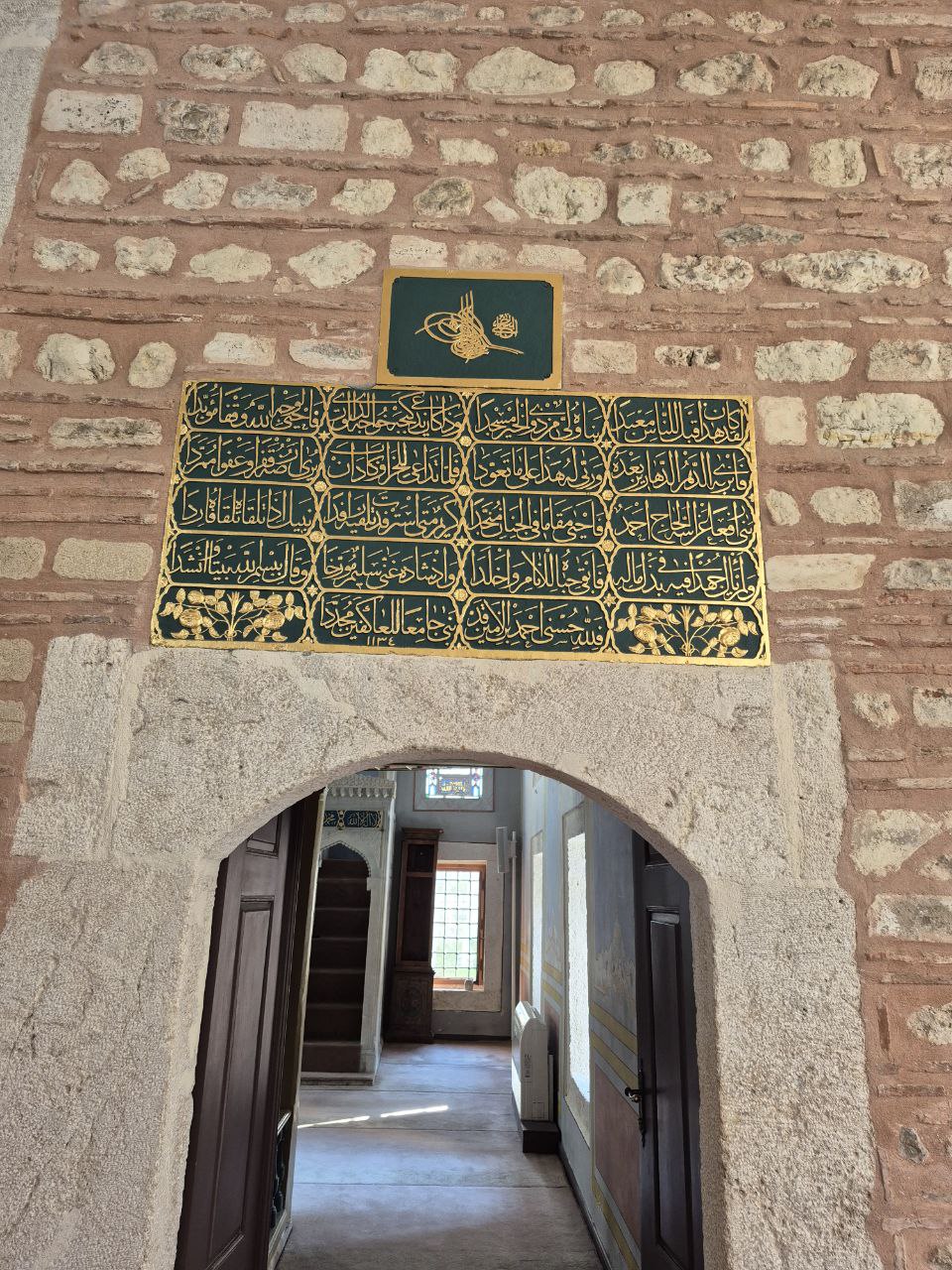
Camiin sağ köşesindeki kemerli kapıdan ibadet sahnına girilir. Kapı üzerinde 20 mısralı ve 1134 tarihli Arapça bir kitâbe bulunmaktadır ki tarih beyti şudur:
Felle hüsnü Ahmed bin el-Emîn kad
Bena câmi’en lea kefin müceddeden
1134 (1721)
Bu kitâbenin üzerinde ve bir madalyon içinde şu kitâbe vardı ki, bugün mevcut değildir:
25 L. sene 1277
Muvaffak oldu Ali Efendi ta’mirine târîh
Hem ihyâ etdi câmi-i flerîf-i Ahmediyye’yi
Mabet 6 Mayıs 1861 tarihinde ihya edilmiştir.
Yukarıdaki kitâbe Kavsarazâde Selim Efendi tarafından yazılmıştır. Kendisi 1129 Safer’inde Nişancı oldu. 1138 (1725)’te Fetva Emîni olup sonra Mekke kadısı oldu. 1138 Zilhicce’sinin 11’inde (Ağustos 1726) vefat etti. Kabri Karacaahmet Mezarlığı’nda 1. Ada’da ve A Bölümü’ndedir.
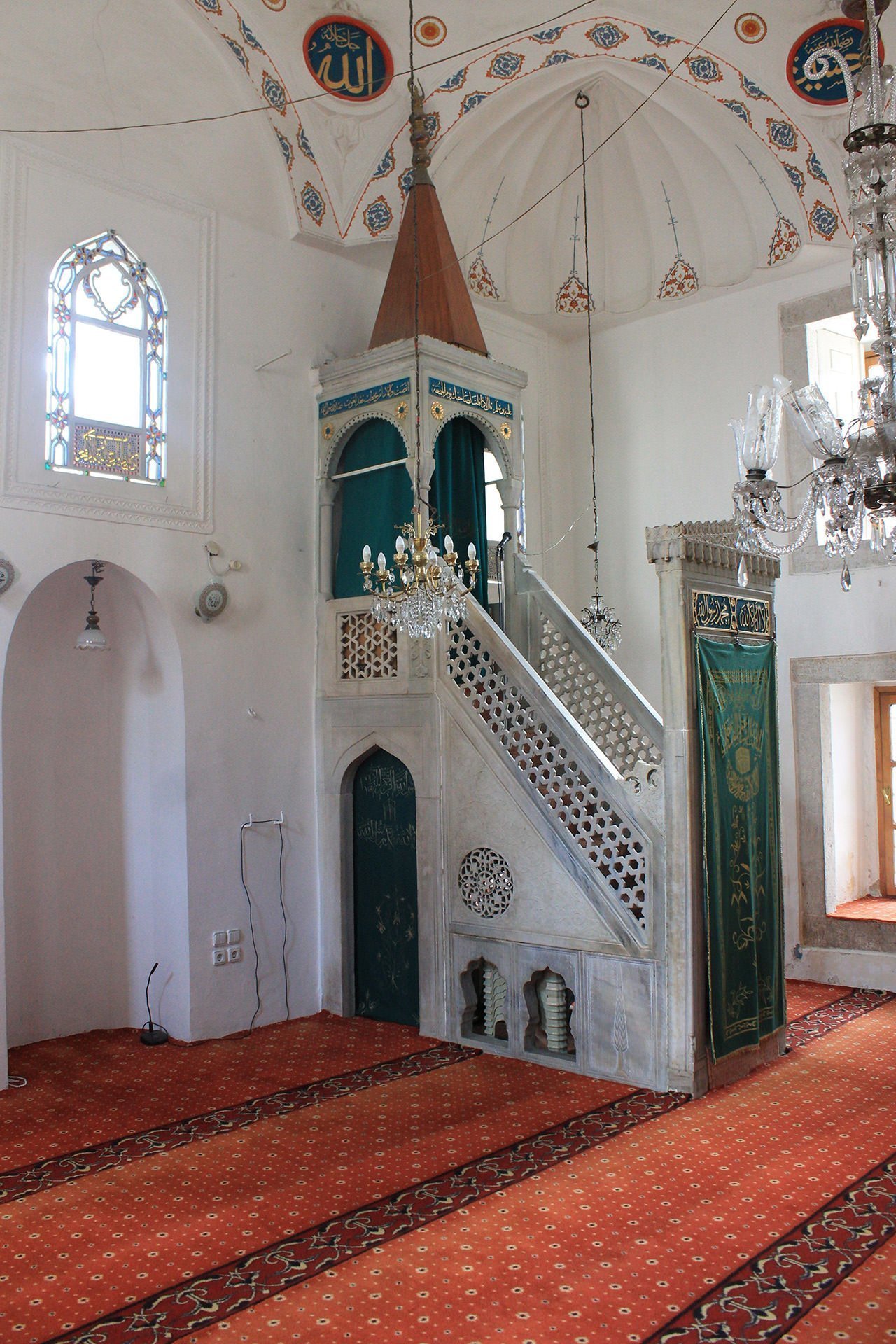
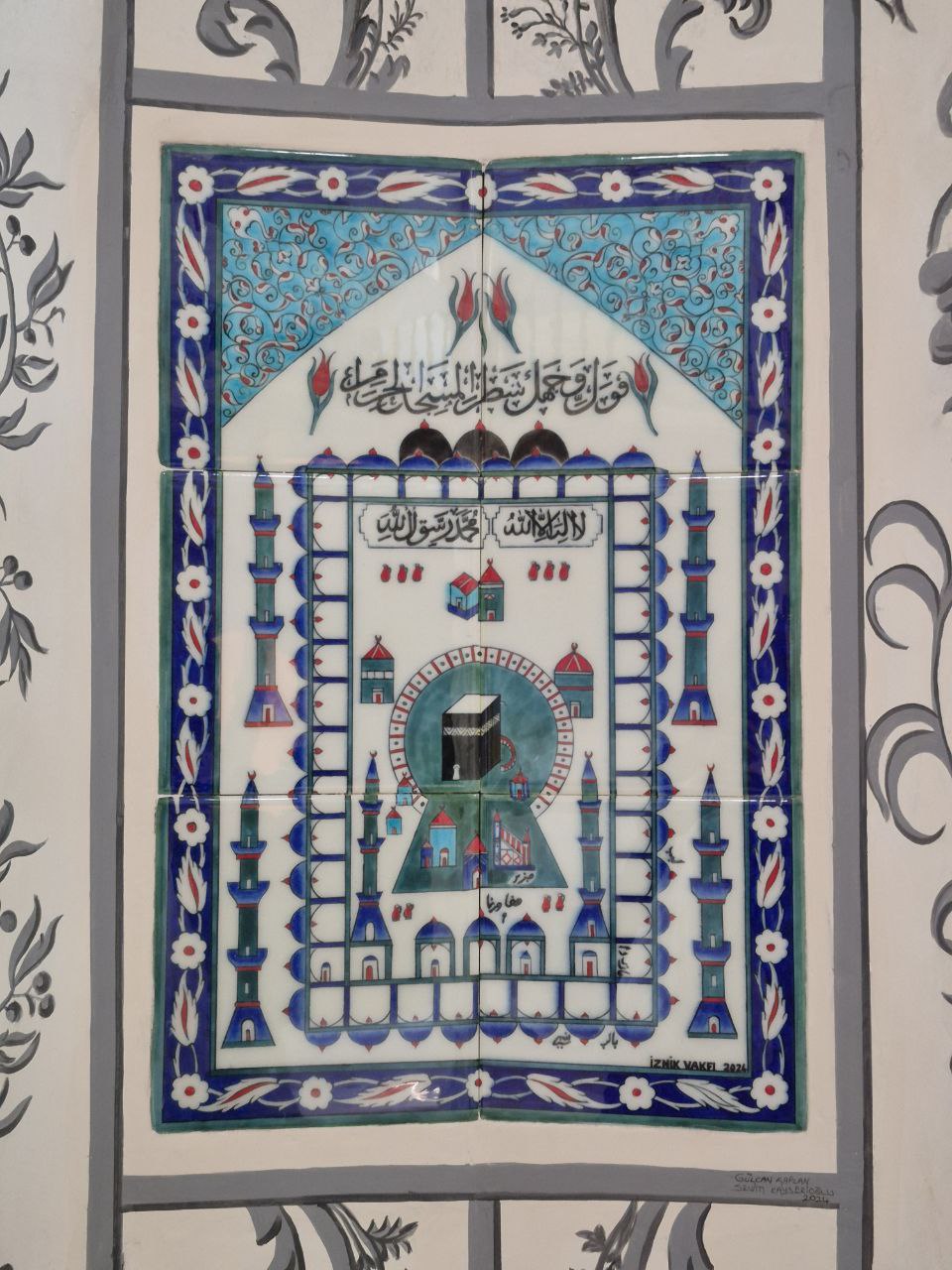
Mabedin tek kubbesi sekiz yüzlü ve her yüzünde bir pencere bulunan bir kasnağa oturtulmuştur. Kubbe ve duvarları nakışlarla bezelidir. Mermer nakışlı vaiz kürsüsü çok güzeldir. Nakışlı ve oymalı minberi ise bir şaheserdir. Külahının kenarına bir hadis-i şerif yazılmış mihrabına da bir Kâbe resimli çini yerleştirilmiştir.
Külliyenin bânisi Ahmet Ağa için Sicill-i Osmânî’de şu bilgi vardır: İzmirli Ali Paşa’nın kardeşidir. Tahsilden sonra İstanbul gümrükçüsü oldu. 1117 (1705)’te silâhdar, sonra sipahiler ağası ve başbaki kulu ve 1127 (1715) Muharrem’inde tekrar silâhdar ağası olup aynı yılın Receb’inde azl edildi. Şaban’ında sipahiler ağası ve tekrar gümrükçü olarak 1128 Ce maziyelâhirinde (Mayıs 1716) paşalıkla Erzurum beylerbeyi’si oldu. O sene Şevval’inin dördünde (21 Eylül) rütbesi kaldırılarak Arşuva Kal’asına gönderilmiştir. 1129 (1717)’da çavuşbaşı olup sonra Darphane emini ve 1134 Şaban’ında (Mayıs 1722) tekrar çavuşbaşı, 1135’te tekrar Darphane emini olup 1139 (1726)’da Tersane eminliğine getirildi. Sonra I. Ahmet’in kemerlerine bina emini oldu.
Ahmet Ağa 1143 (1730) tarihinde vefat etmiştir. Kabri cami ile dershane arasındaki hazîrededir. Hazîrenin Gündoğumu Caddesi’ne bakan yüzü, mermer sütunlu ve şebeke demirlidir. Buranın altı penceresi vardır. Lâhdinin kavuksuz, köşeli bir sütun şeklindeki baş taşına şu kitâbe yazılmıştır:
El-Fatiha
“Dirîğa Hacı Ahmed sâhibu’l-hayrât Eminzâde
Ki terk-i âlem-i fâni idüb azm itdi ukbâya
Rızâ-yı Hakk’a mal ü canın bezl eyledi merhûm
Ki bilmifldi cihân bâki değil a’lâ vü ednayâ
Neflîmensâz-ı firdevs berîn olub Hüdavenda
Resûl-i Ekrem olsun Cennet-i âlâ’da hem-saye
Bu mısra’la didi târîh-i fevtin geldi bir dâ’i
Eminzâde cihândan göçdü tâ firdevs-i a’lâya”
Sene 1143
Caddeden okunması için bu kitâbenin aynısı ayak taşının dış yüzüne de yazılmıştır.
Kaynak: Yüzyıllar Boyunca Üsküdar, Sayfa 63