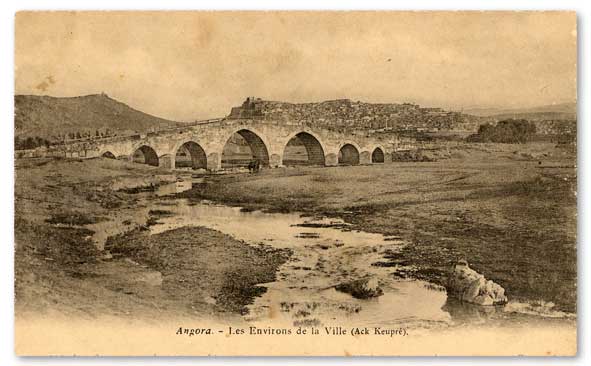
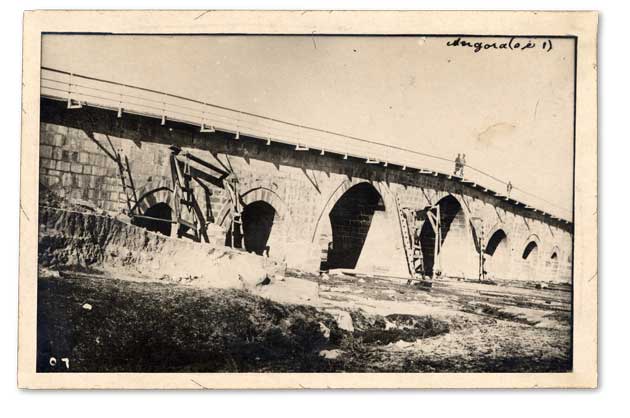
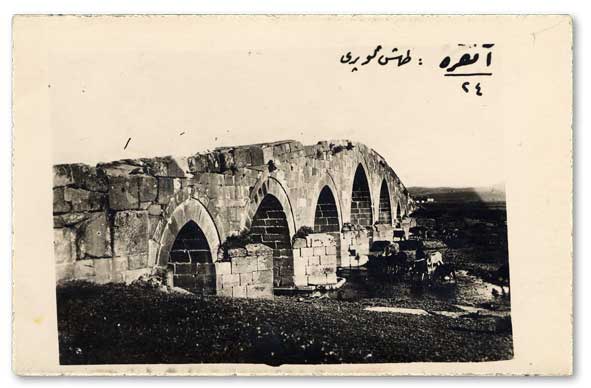
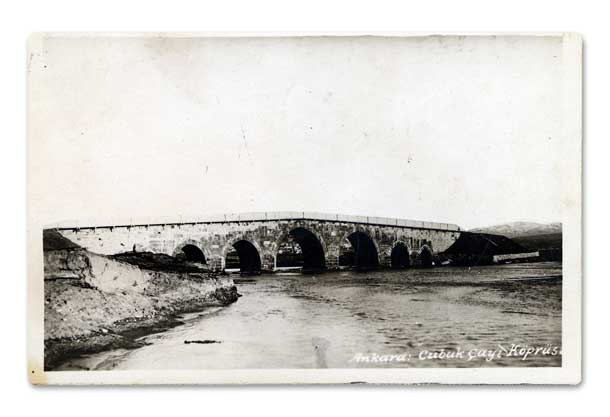
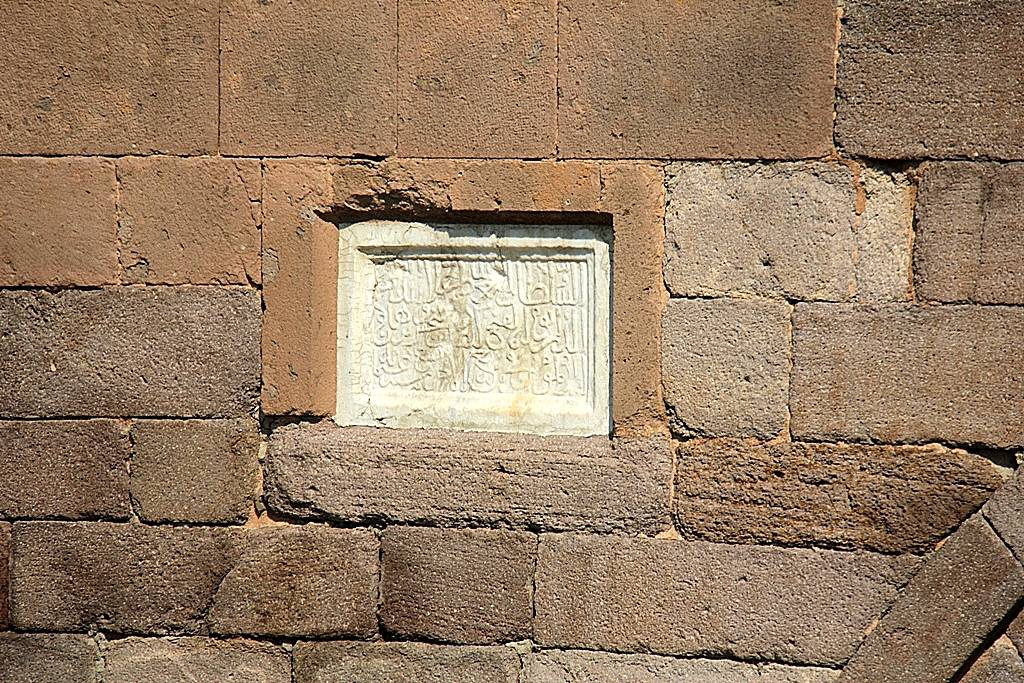
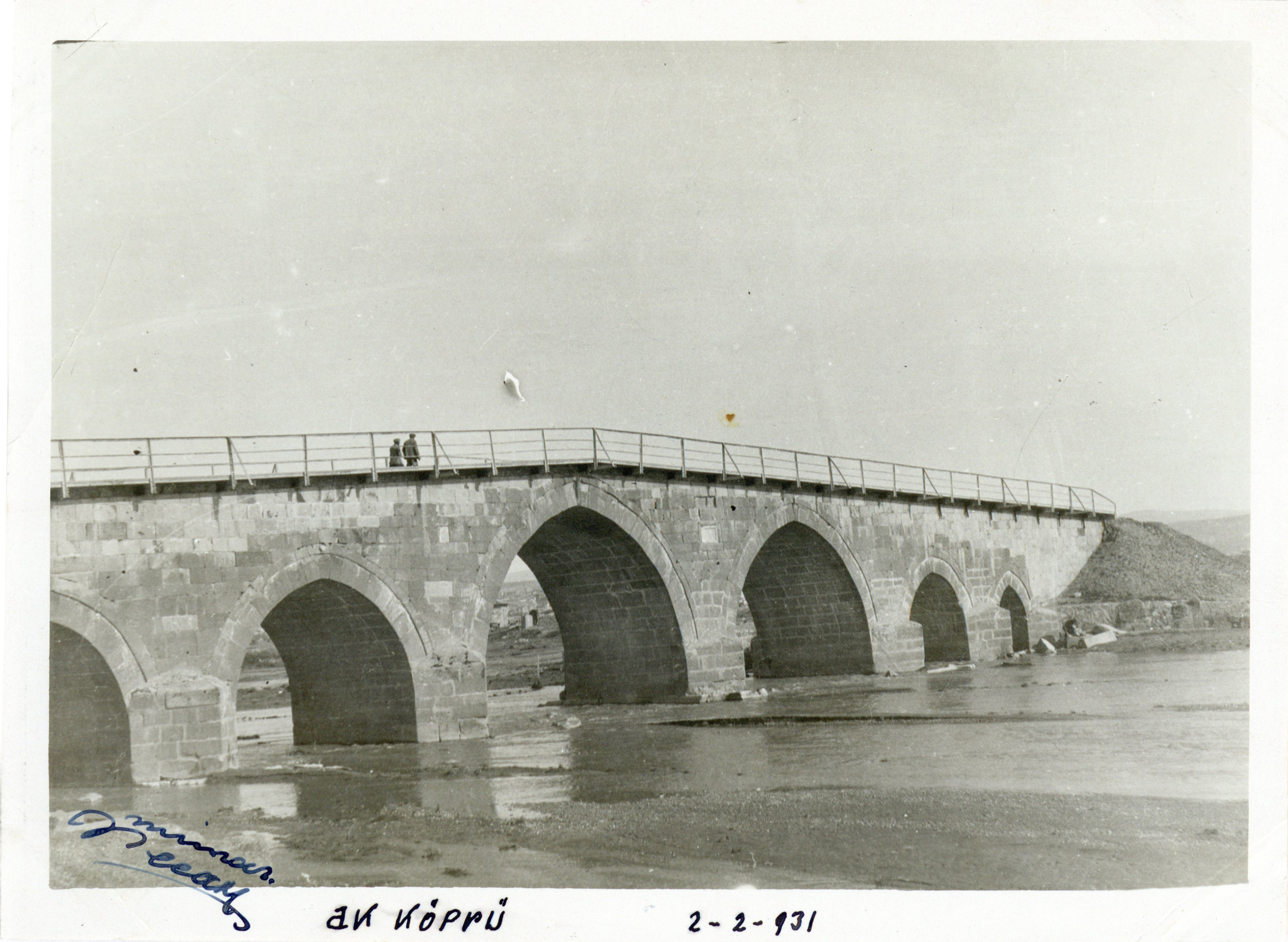
İncesu, Hatip ve Çubuk çaylarının birleşim noktasında yer alır. Üç satırlık kitabesine göre Sultan Keyhüsrev oğlu Ab-ul Feth Keykubat tarafından 1222 yılında yaptırılmıştır.
Kaynak: Doğal, Tarihsel ve Kültürel Değerleriyle Kaybolan Ankara – Mehmet Tunçer, Necati Yalçın, Savaş Sönmez
Akköprü (Osmanlı Türkçesi: اق کوپری), Ankara’nın Yenimahalle ilçesinde bulunan, Anadolu Selçuklu sultanı I. Alaeddin Keykubad adına Kızılbey tarafından Çubuk Çayı, İncesu Deresi ve Hatip Çayının birleştiği noktada yaptırılmış tarihi bir köprüdür. 1222 yılında, eski Bağdat ticaret güzergahının geçtiği bir konumda, Ankara Valisi Kızıl Bey tarafından inşa ettirilmiştir. Köprü günümüze kadar sağlam durumunu koruyabilmiştir. Yenimahalle’nin bugüne kadar gelebilmiş nadir tarihi yapıtlarından biridir. Yapı 8 Ağustos 1959 tarihinde kentsel sit alanı olarak tescillenmiştir.
Köprü kesme bazalt taşından inşa edilmiştir. Toplam 7 adet sivri kemeri bulunmaktadır. Kemerler büyük oranda kesme Ankara taşından yapılmıştır. Arada bazı yabancı taşlar ve civardaki antik eser malzemelerden de yararlanılmıştır. Kemerlerden dördü büyük, üçü ise küçük kemer tipindedir. Metalik korkuluklar sonradan eklenmiştir. Batı yönünde biri silik olmak üzere iki yazıt yer almaktadır.
1927-37 yılları arasında kullanılan 5 liralık banknotun arka yüzünde bulunan resim,Akköprü resmidir.