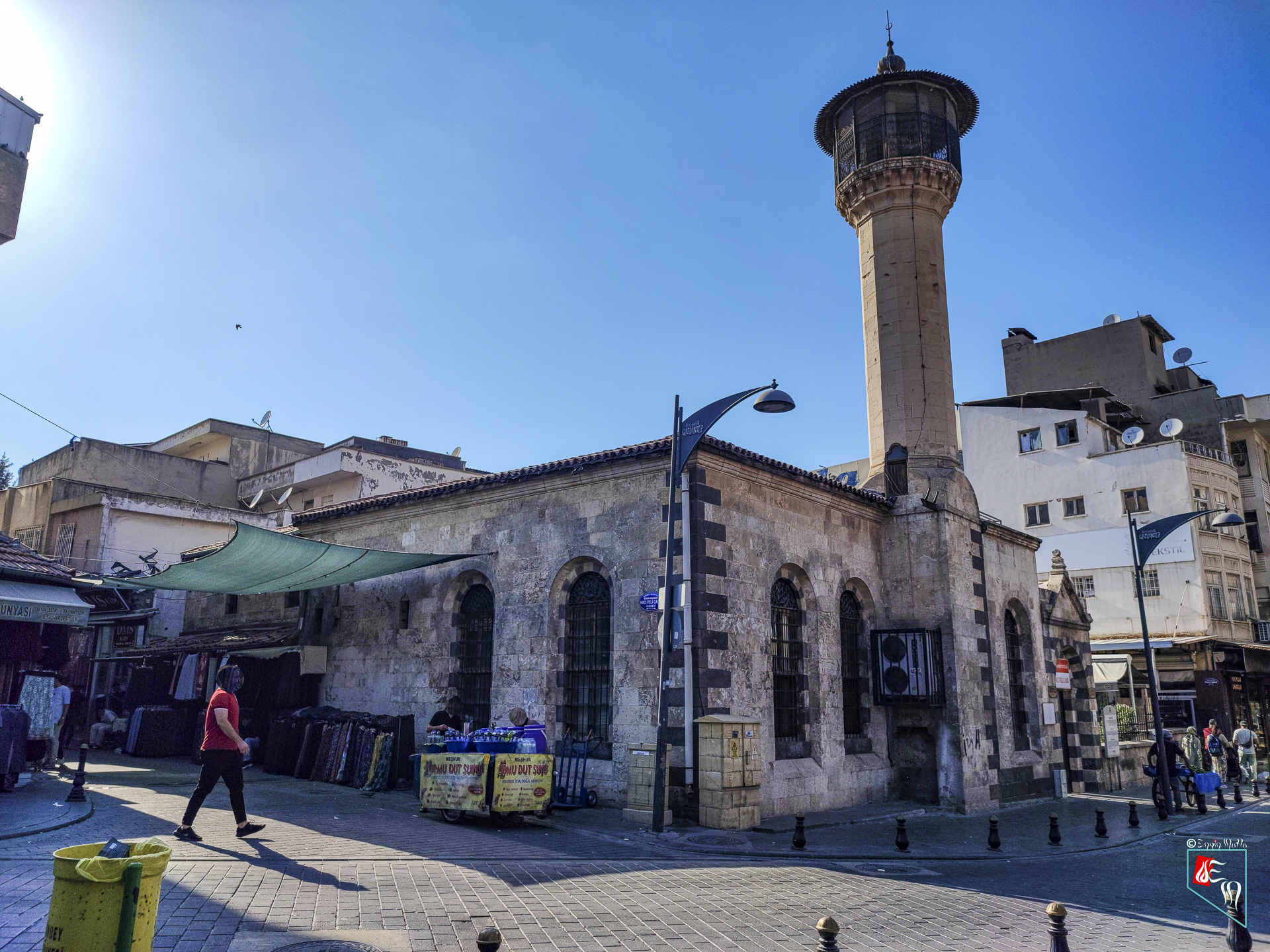
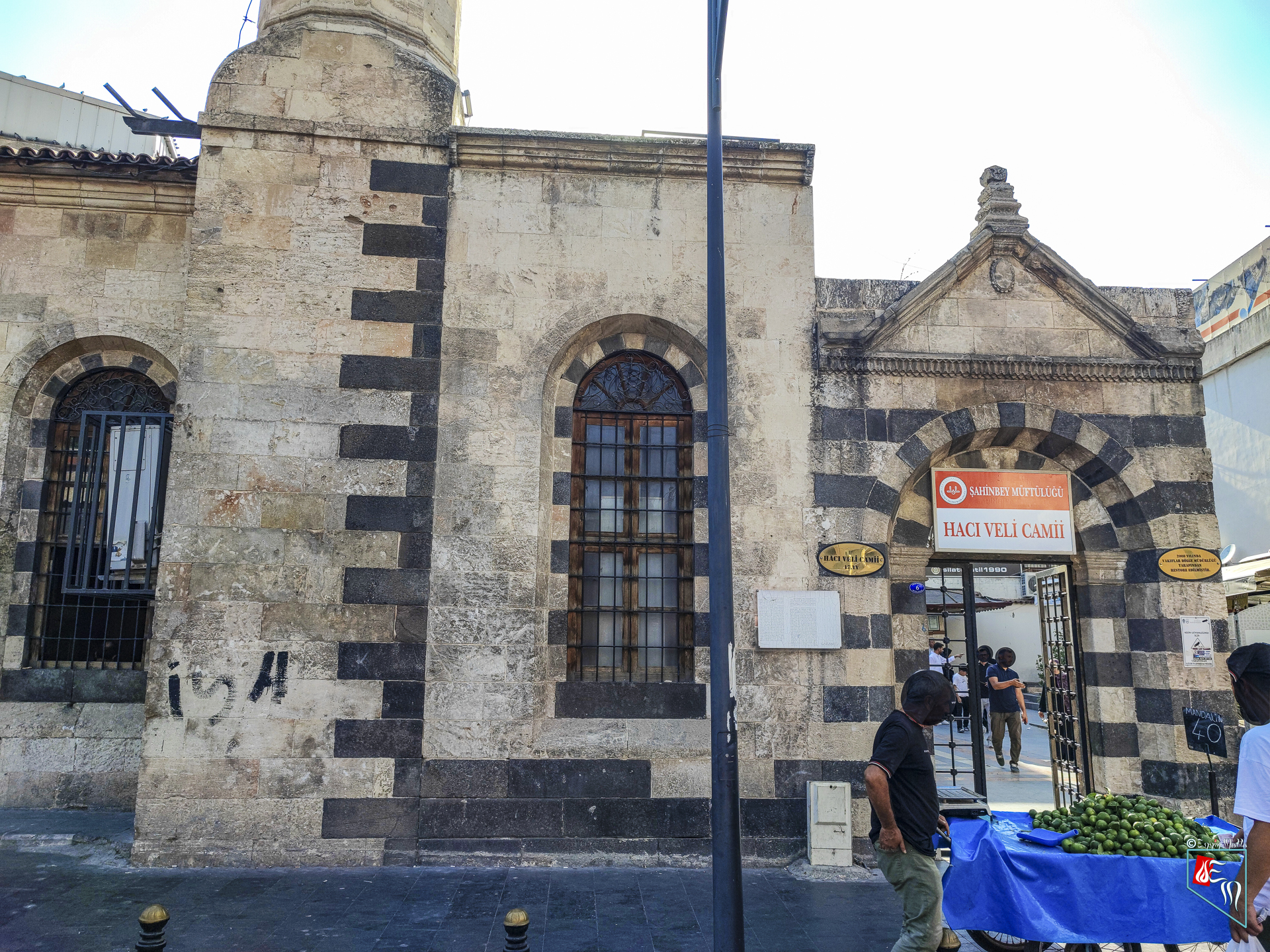
The exact date of construction of this place of worship—located at the corner where Belediye Street and Tuzhanı Street intersect in Şahinbey District and originally built as a mosque—is not known. The name Hacı Veli appears in a Sharia court register dated H. 1055 (M. 1645). According to another entry in the Shari’a registers, the mosque was later both restored and expanded in H. 1158 (M. 1746) by a philanthropist named Hacı Hasan because it could no longer accommodate the congregation.
However, a waqf deed dated H. 1332 (M. 1913) states that the mosque was “expanded and converted into a mosque.” Based on this, it is understood that the mosque attained its status as a full-fledged mosque through the restoration carried out by Çayırağasızade Hacı Abdullah Abdulkadir Efendi.
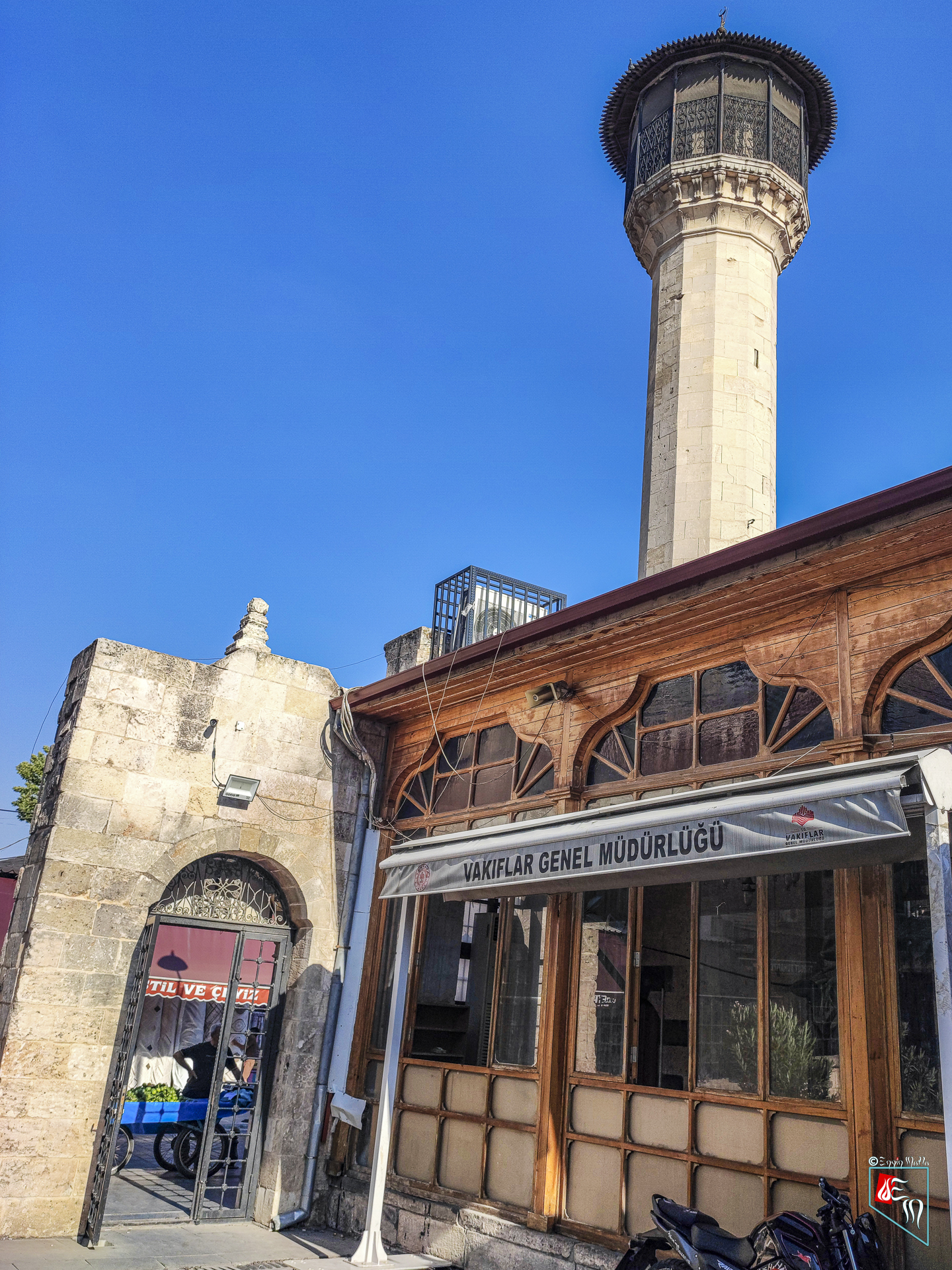
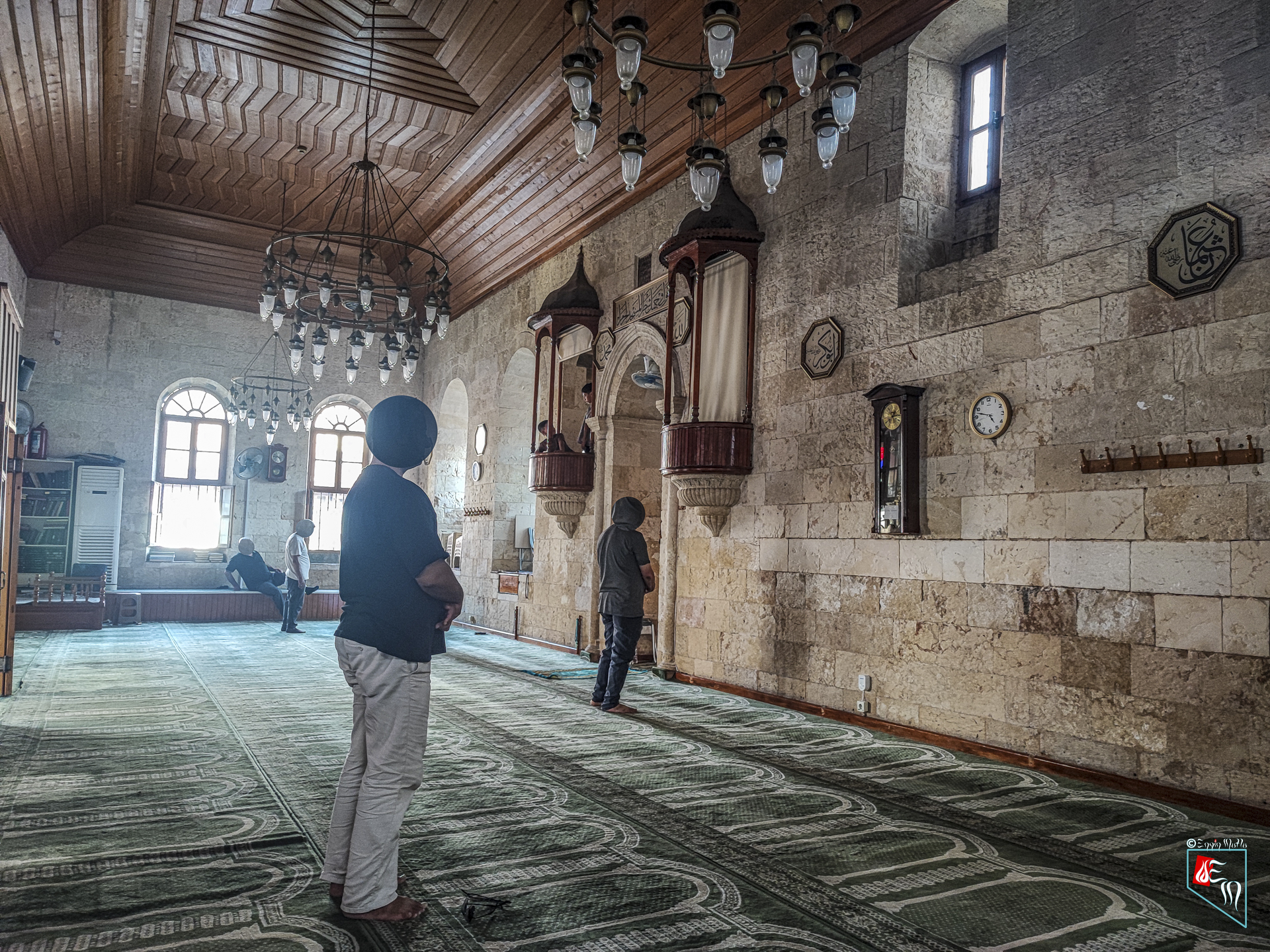
Hacı Ökkeş Efendi had a fountain built in front of the mosque, though it no longer exists today. Since the mosque became too small for the congregation, a glass-enclosed section—now used as the rear prayer area—was added to the north of the prayer hall in 1985; the mosque was most recently restored in 2008.
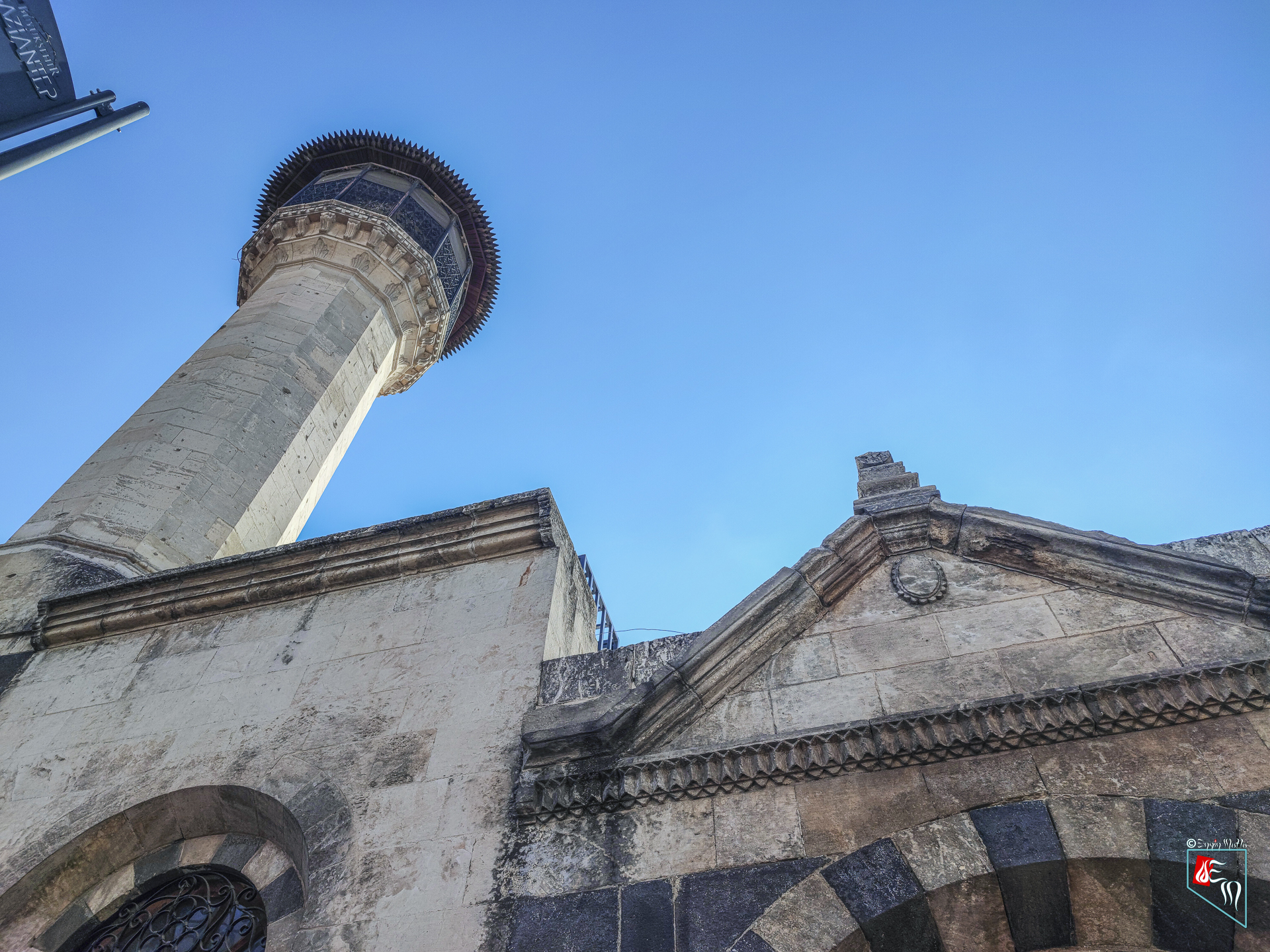
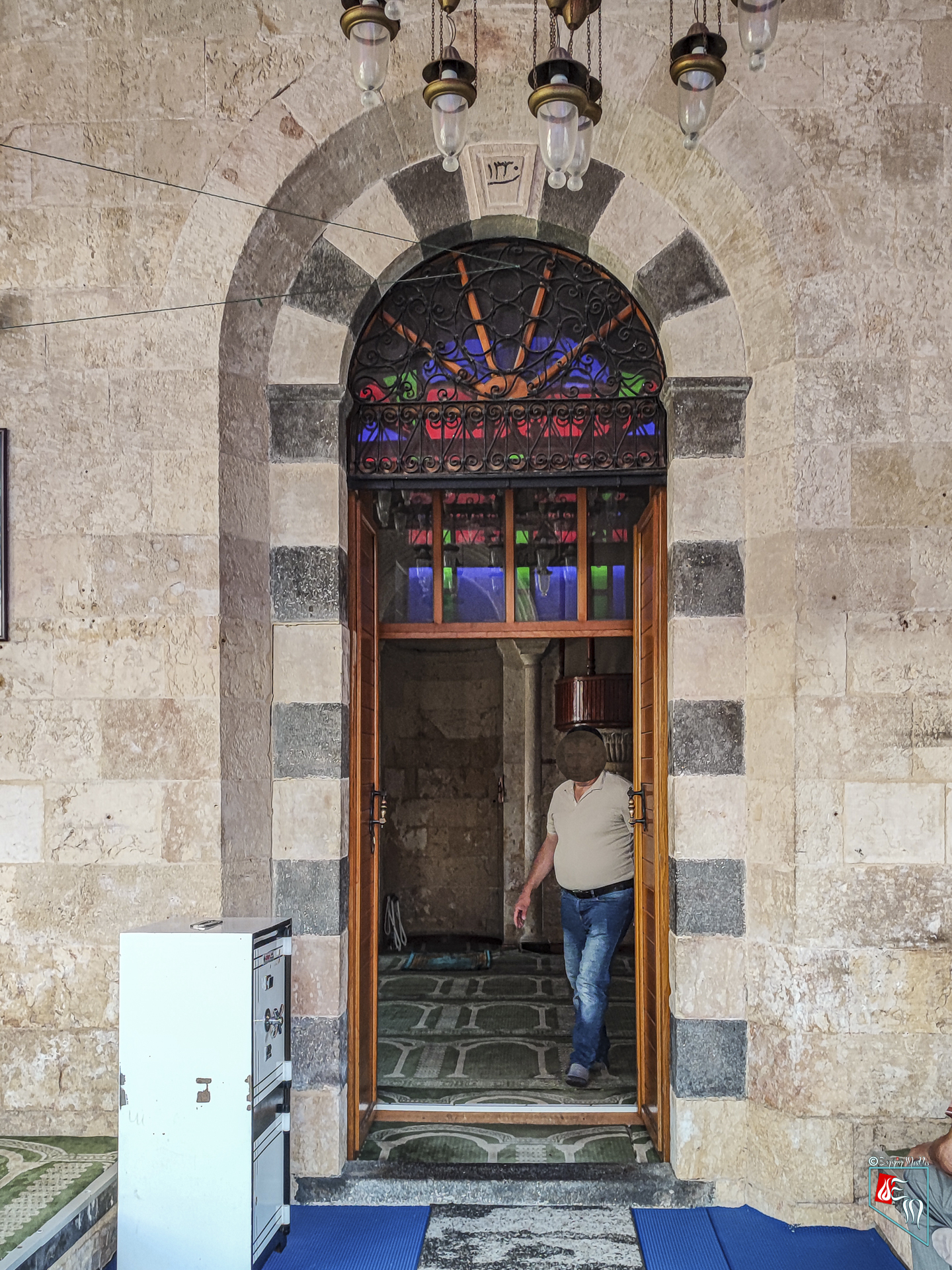
The mosque is constructed entirely of cut stone. On the exterior facade, arches, and door and window frames, black stone is used alongside white stone; in the remaining areas, only white stone is visible. The prayer hall has a transverse rectangular plan and consists of a single nave parallel to the mihrab. The roof is a wooden barrel vault on the interior and a four-sloped gable roof on the exterior.
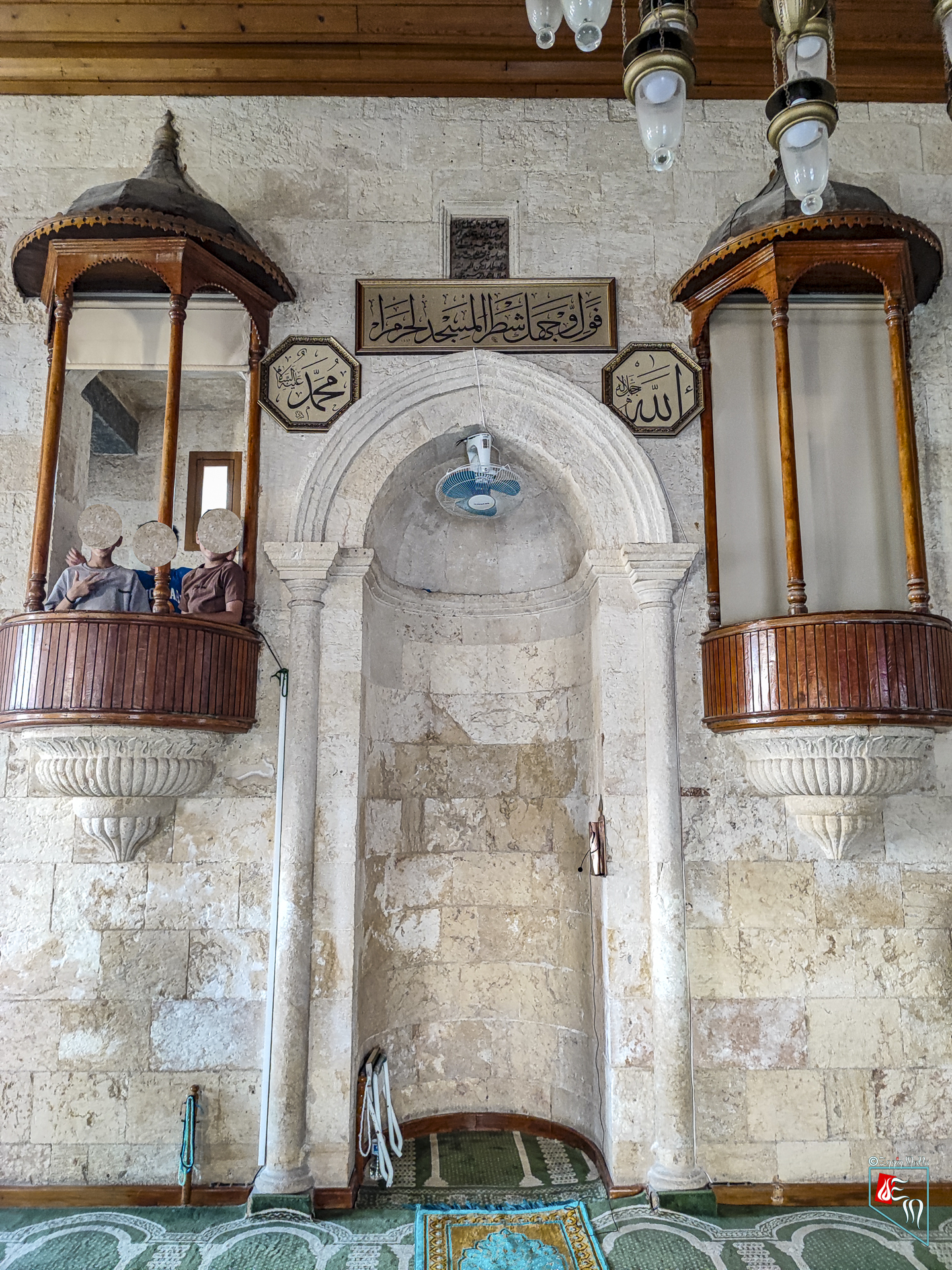
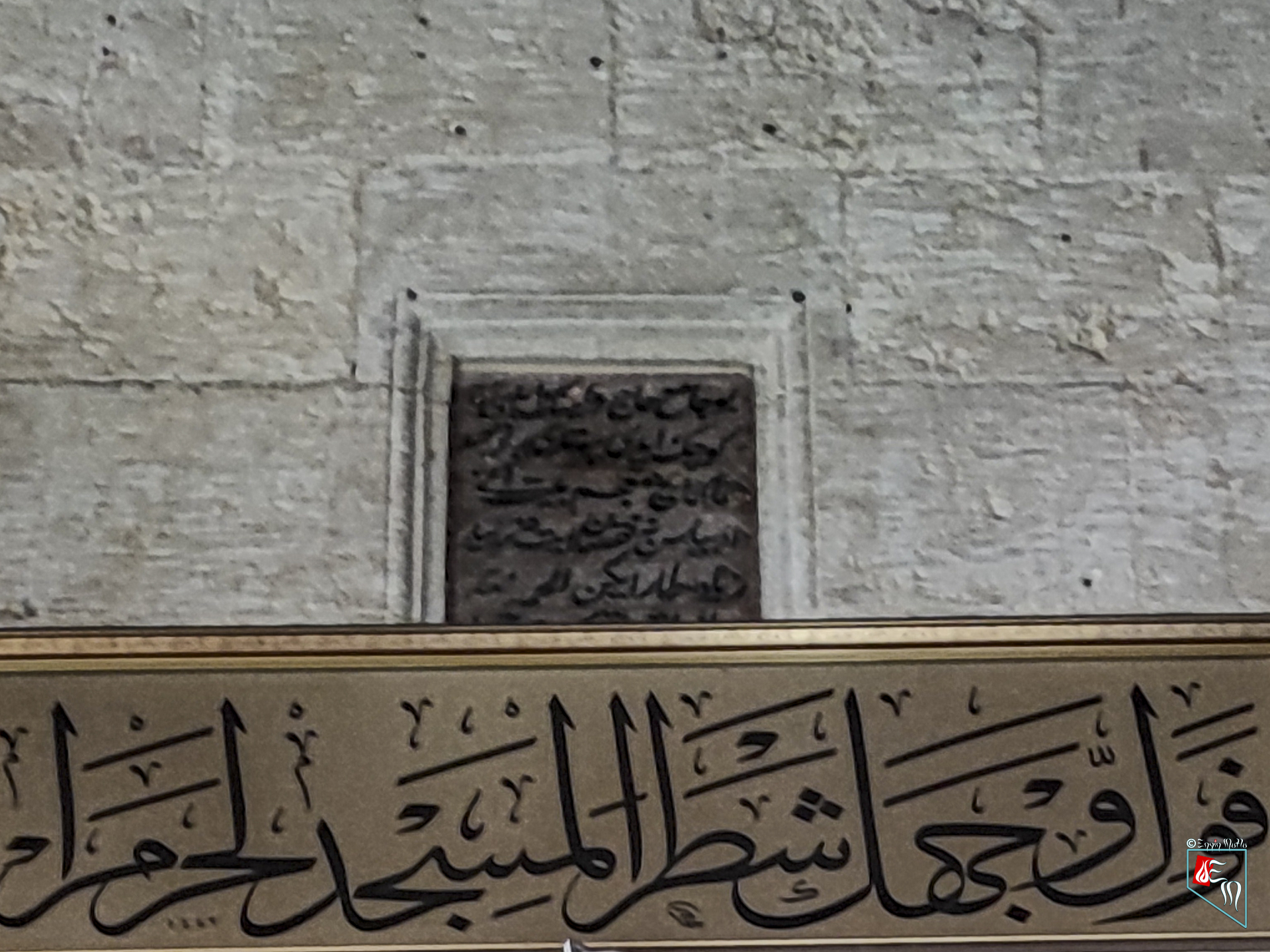
The mosque’s sanctuary has a rectangular plan and a single nave. It is covered by a later-added barrel vault. The mihrab consists of a simple niche with a pointed arch and a semicircular plan. The minbar and pulpit are pavilion-style, featuring a semicircular projection. The mosque’s sole inscription is a restoration inscription written in six lines in Thuluth script with a historical Rumi style on a rectangular piece of pink marble above the mihrab; the text of the inscription reads as follows:
This mosque was built by Hacı Veli, but
the “Small” was made “Large” by the People of Tawhid
. Complete date-i muʿcem beyt-i ātī
Edībā, neither add
nor subtract from it. While the string was stretched, alhamdulillah
, the people undertook its expansion and restoration.
Year 1330
The translation of the inscription is as follows:
This mosque belonged to Hacı Veli (he had it built), but it was small; the Ehl-i Tevhid enlarged it. In the next verse, provide the date using the abjad numeration system (a method of calculating dates based solely on the numerical values of the dotted Arabic-Ottoman letters in the text, verse, or line). O Edib (Abdullah Edip Bayram), neither omit nor add anything; though it was very cramped, praise be to God, the people expanded and renovated it. Year A.D. 1913.
Additionally, a date inscribed as 1330 (A.D. 1913) is also found on the keystone of the sanctuary’s entrance gate.1 – 2