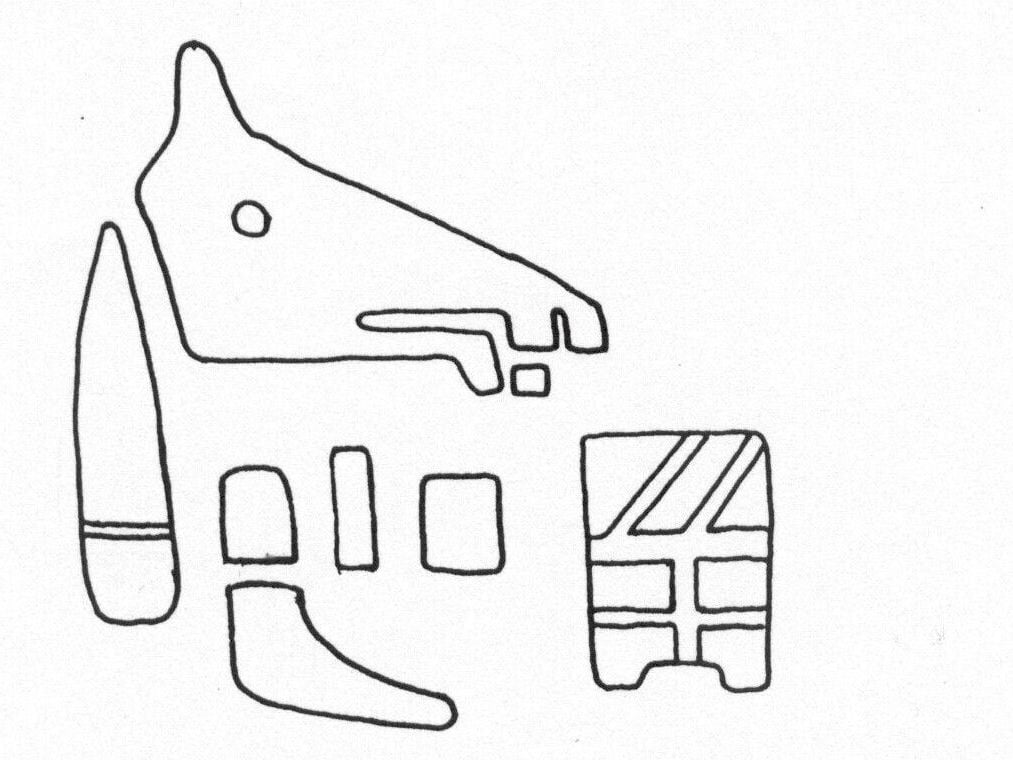
Karabel kaya anıtı Kemalpaşa-Torbalı yolundaki Karabel geçidinde bir tepenin güneye bakan yamacında bulunmaktadır. Yaklaşık 2,5 metreye 1,5 metre boyutlarındaki bir niş içine işlenmiş kabartma sol elinde bir mızrak sağ elinde bir yay tutan bir erkek figürüdür. Figürün başı ile mızrağı arasındaki alanda 3 satırlık oldukça aşınmış ve güçlükle görülebilen Luvice bir yazıt vardır (Karabel A). Rölyef 2017 ve 2019 yıllarında hazine avcıları tarafından tahribata maruz kalmış, alt yarısı neredeyse tamamen yok edilmiştir.
Bu anıt MÖ 5. yüzyılda yaşamış tarihçi Herodot tarafından Mısır kralı Sesostris’i tasvir ettiği iddia edilen anıtlardan biri olabilir: “… İyonya’da bu kişinin kayalara oyulmuş iki tasviri vardir, biri Efes-Foça yolunda diğeri Sard’dan Smirna’ya giden yolda. Her iki yerde de kayaya oyulmuş, dört buçuk kübit yüksekliğinde, sağ elinde mızrak sol elinde ok ve yay taşıyan bir adam vardır, … ve bir omuzdan öbürüne göğsünde Mısır hiyeroglifi ile yazılmış bir yazı bulunur: ‘Bu ülkeyi kendi omuzlarımla fethettim.’” (Herodot II.106). Kemalpaşa geçidi antik Sard-Smirna yoluna yakın olmakla beraber üzerinde değildir. Aksine Sard-Efes yolu üzerindedir. Bu Herodot tasvirinde yanılmış olabileceği gibi Karabel’dekine benzeyen farklı anıtlardan bahsediyor olması da mümkündür. Aşınmış olmasından dolayı uzun süre okunamamış olsa da rölyefin Luvice yazıldığı ve anıtın Hitit dönemine ait olduğu tarihçiler arasında uzun süredir bilinmekteydi. Yazıtın en tatminkar tercümesi 1998 yılında David Hawkins tarafından şu şekilde verilmiştir:
Mira (ülkesi) kralı Tarkasnawa,
Mira ülkesi kralı Alantalli[‘nin oğlu],
Mira ülkesi kralı …’nin torunu.
Alantalli ismi kesin değildir. Büyükbaba’nın ismi okunamamakla birlikte Kupanta-Kuruntiya olabileceği düşünülmektedir. Tarkasnawa ismi Boğazköy’de bulunmuş Hitit dokümanları ve mühürlerinden de bilinmektedir. Mira ülkesi Hititlere bağlı bir vassal krallıktır ve kral Alantalli’nin Hitit kralı IV. Tuthaliya ile çağdaş olduğu bilinmektedir. Dolayısıyla Alantalli’nin oğlu(?) Tarkasnawa, Tuthaliya’nın son yılları ve/veya II. Suppiluliuma dönemine, yani MÖ 13. yüzyıl sonlarına tarihlenebilir.
Karabel anıtının yaklaşık 100 metre kadar kuzeyinde ona benzer başka bir rölyef (Karabel B) ve iki ayrı Luvi hiyeroglifi ile yazılmış yazıt (Karabel C1 ve C2) bulunmaktaydı. Bu üç eser 1977 ile 1982 yılları arasında bir zamanda yol açma çalışmaları sırasında tamamen tahrip edilmiştir. Daha aşınmış durumda olan ikinci rölyefte de mızrak ve muhtemelen bir yay taşımakta olan bir figür bulunmaktaydı. Yanındaki aşınmış yazıtta sadece “kral” kelimesi okunabilmiştir.
Diğer iki yazıt da ikinci rölyefin bir kaç metre kuzeyinde aynı kaya üzerinde bulunmaktaydı. Bunlardan daha okunaklı olan C1 kısmen “Kral Tarkasnawa” olarak okunabilir. C2 yazıtı ise daha da az okunaklı olmakla beraber üç satırlık yazıtın ilk satırı muhtemelen gene Kral Tarkasnawa ve Kral Alantalli’nin ismini içermekteydi.