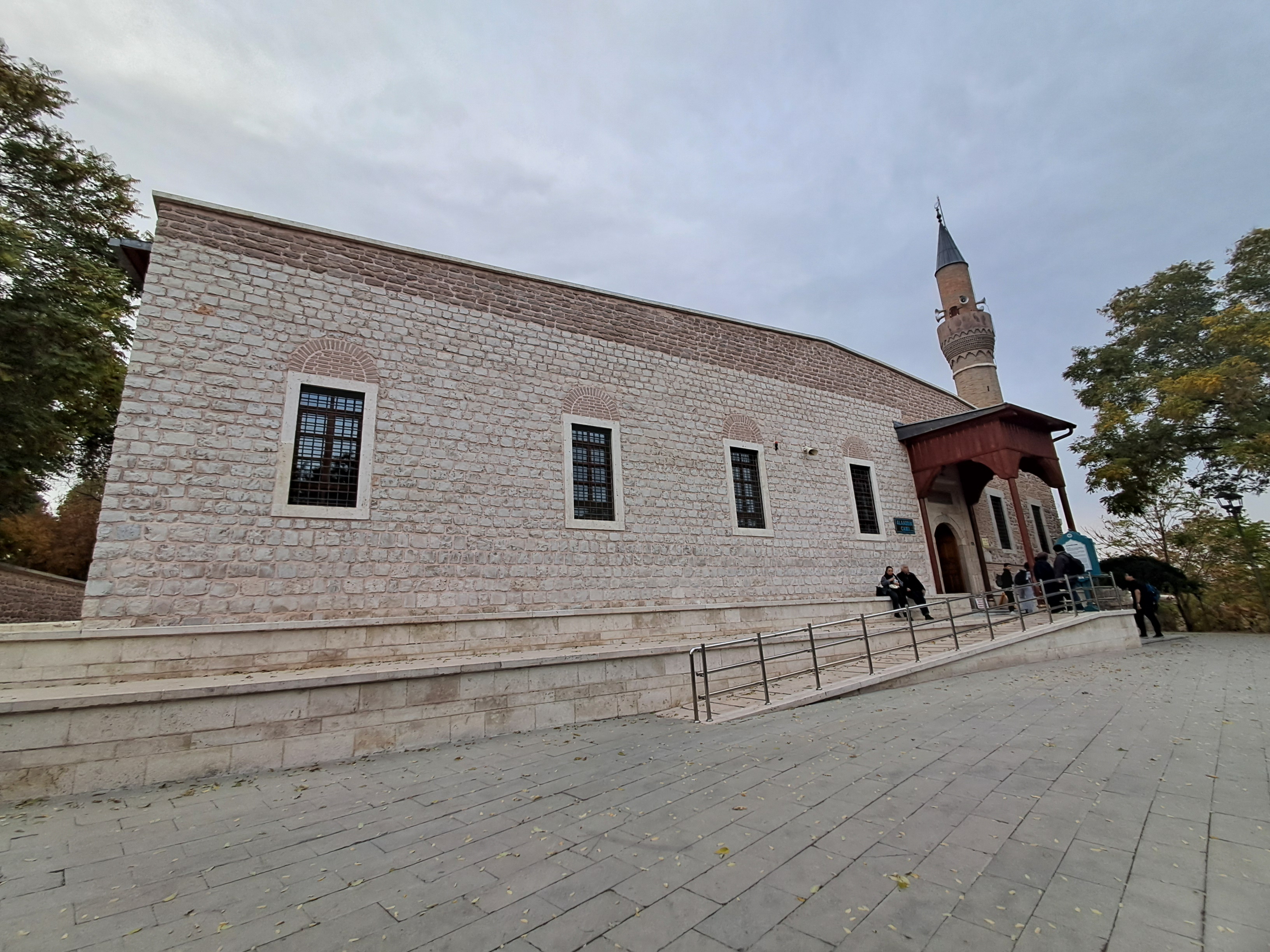
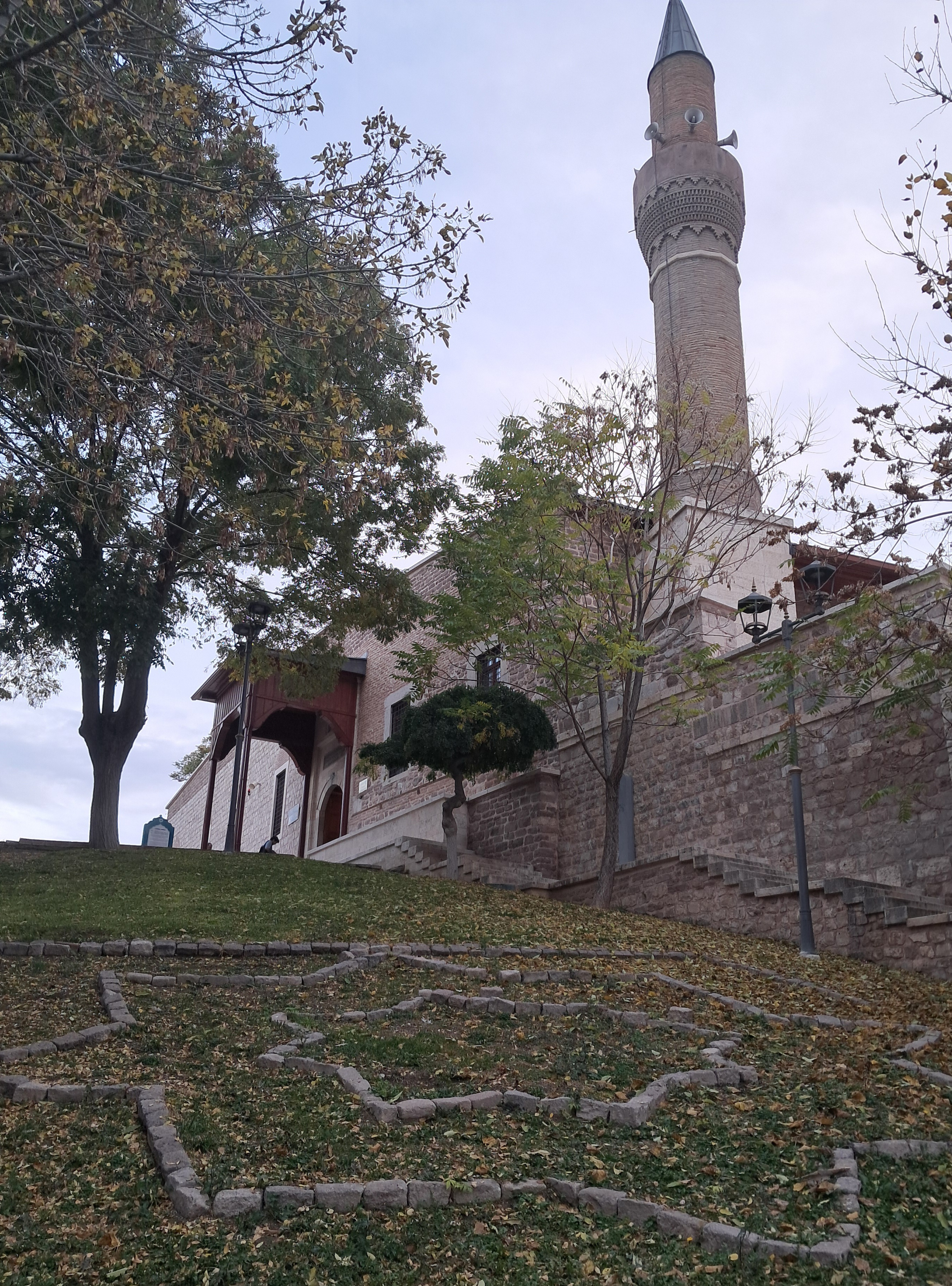
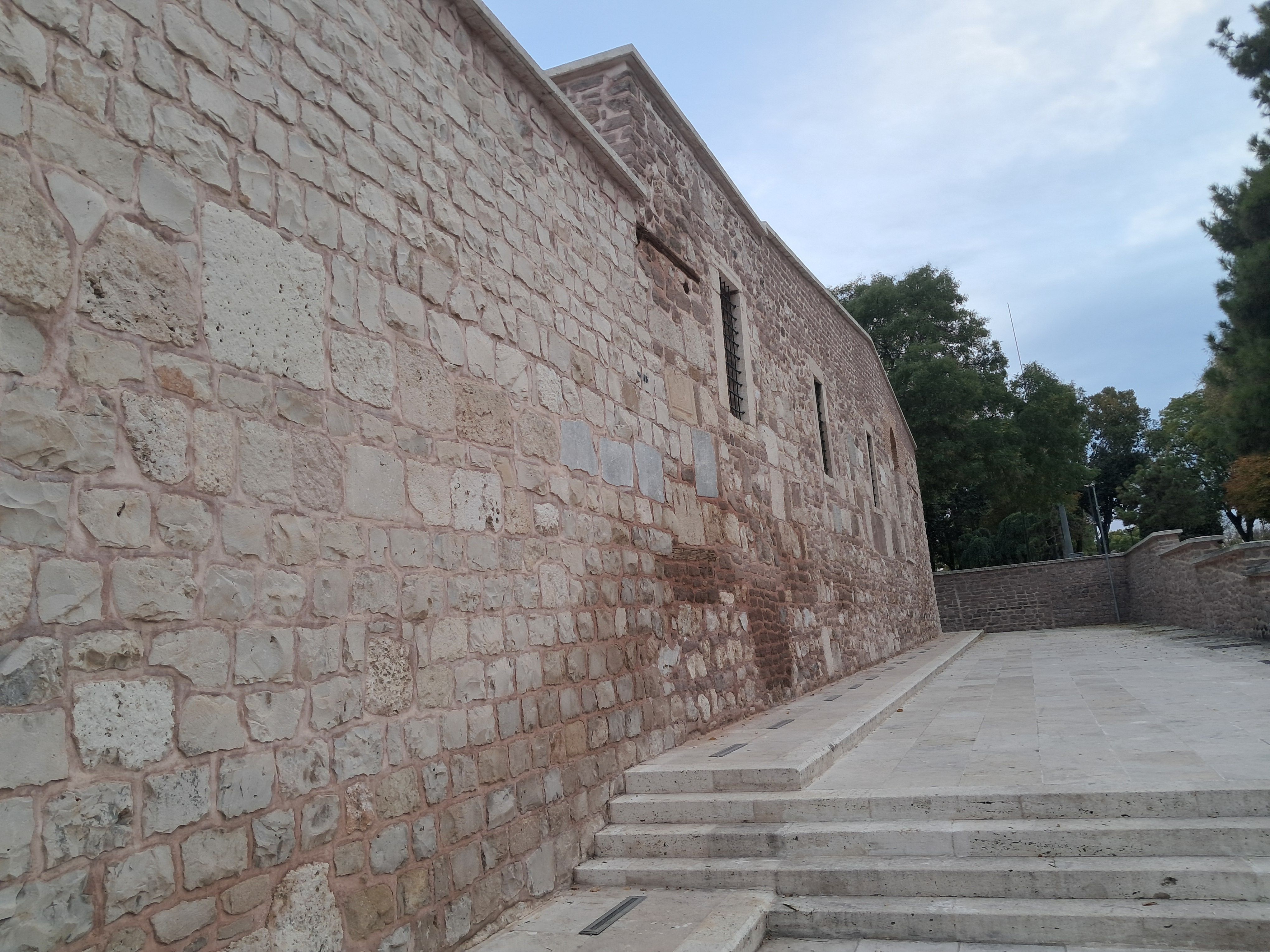
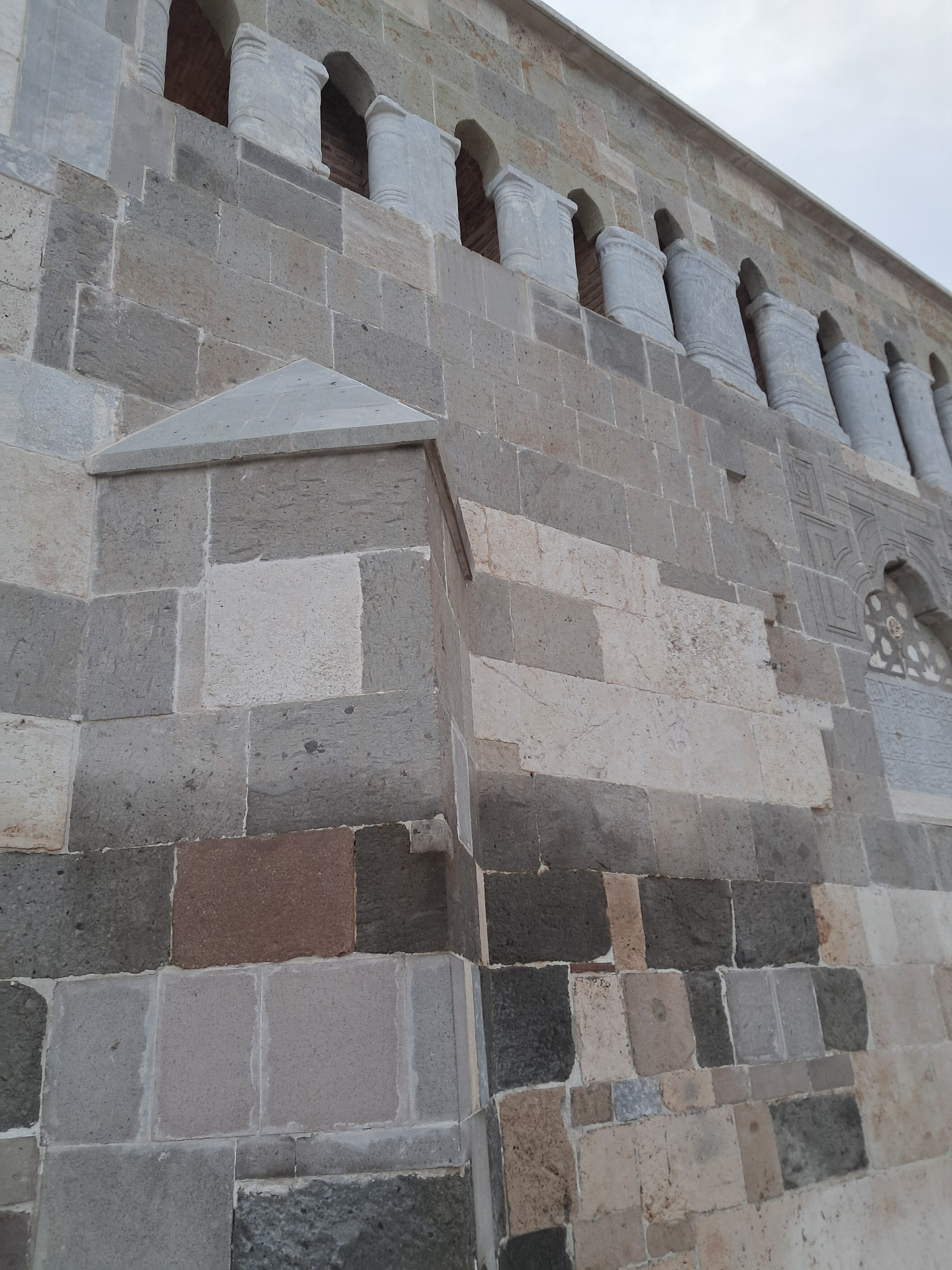
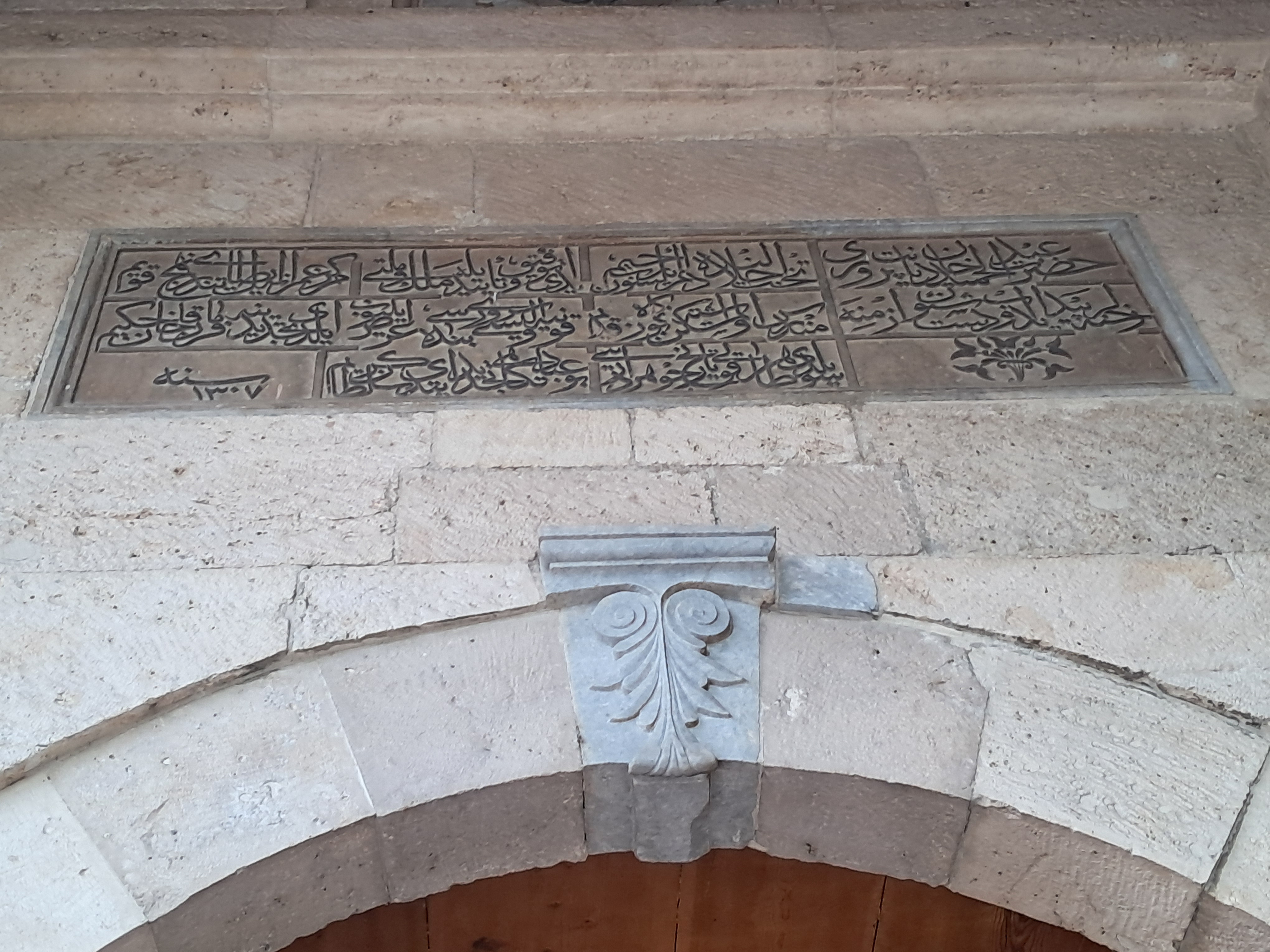
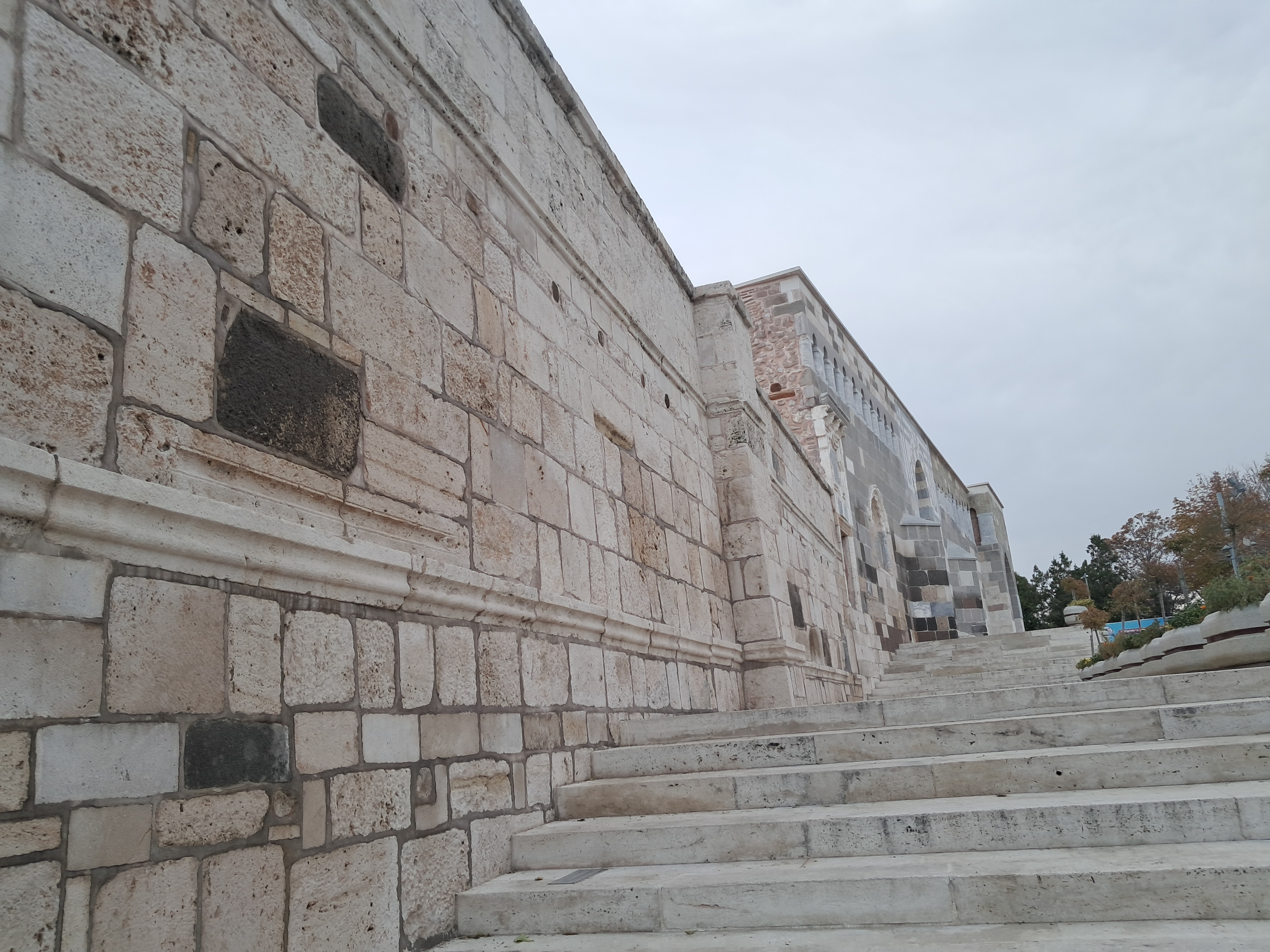
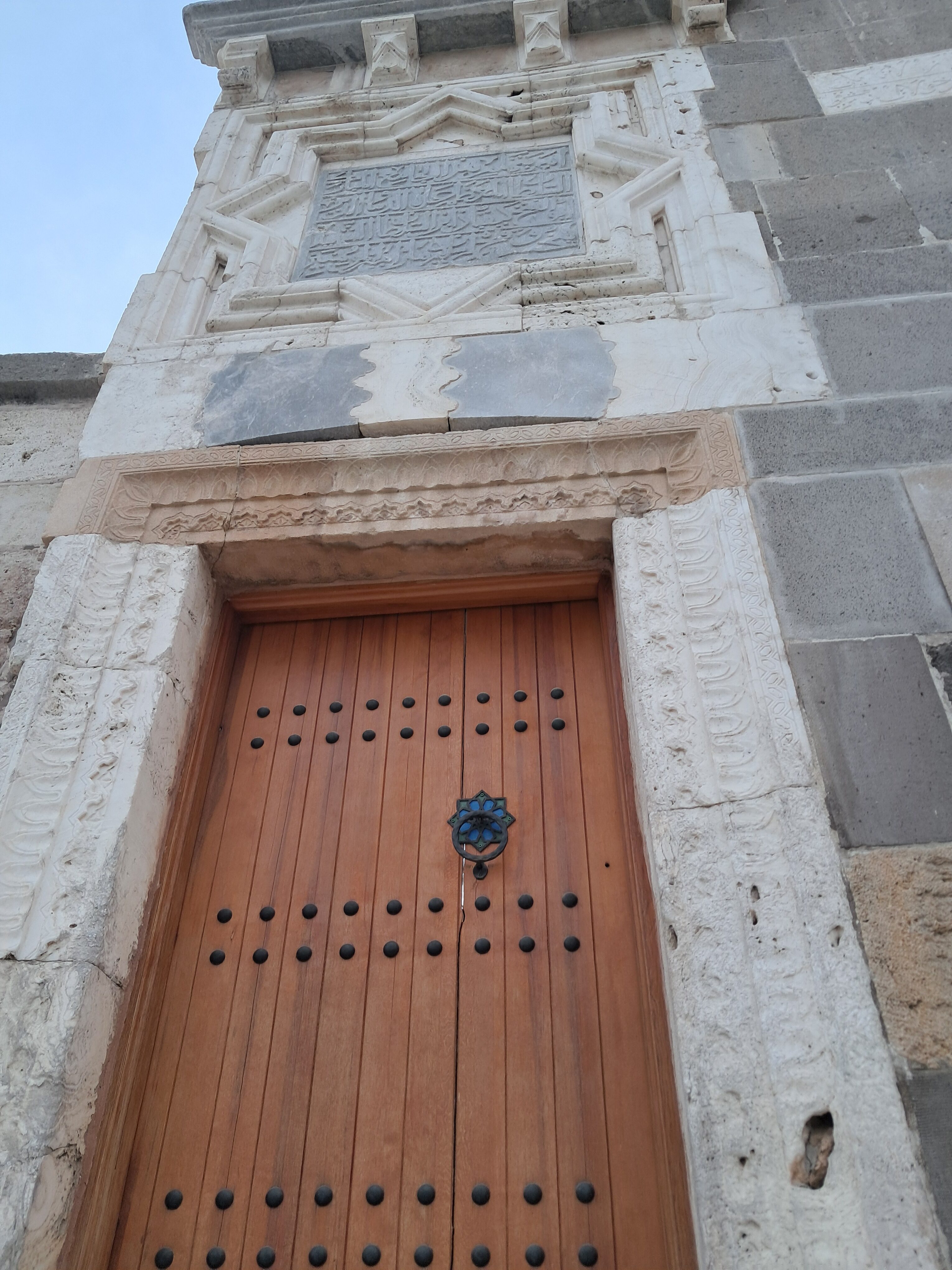
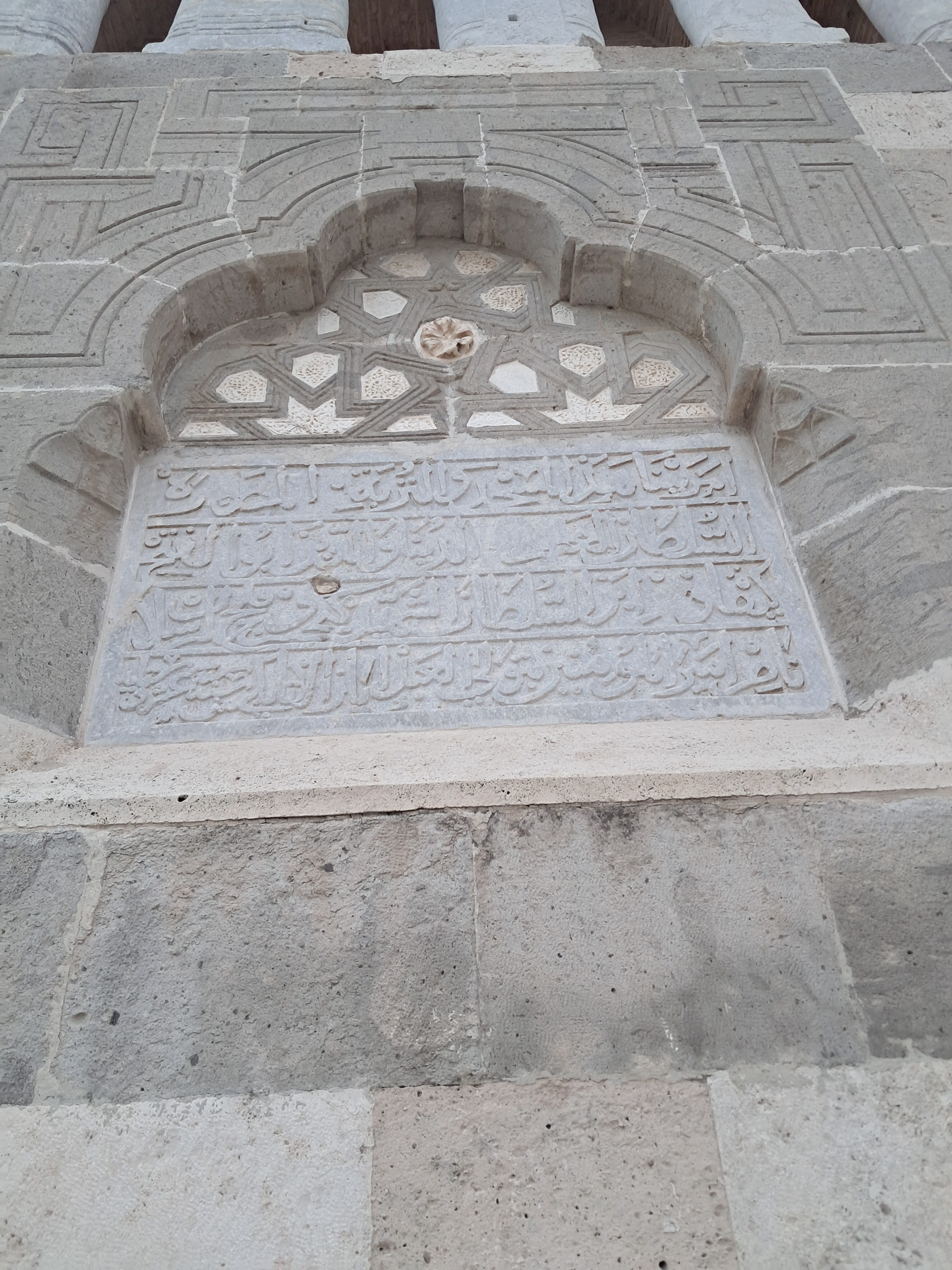
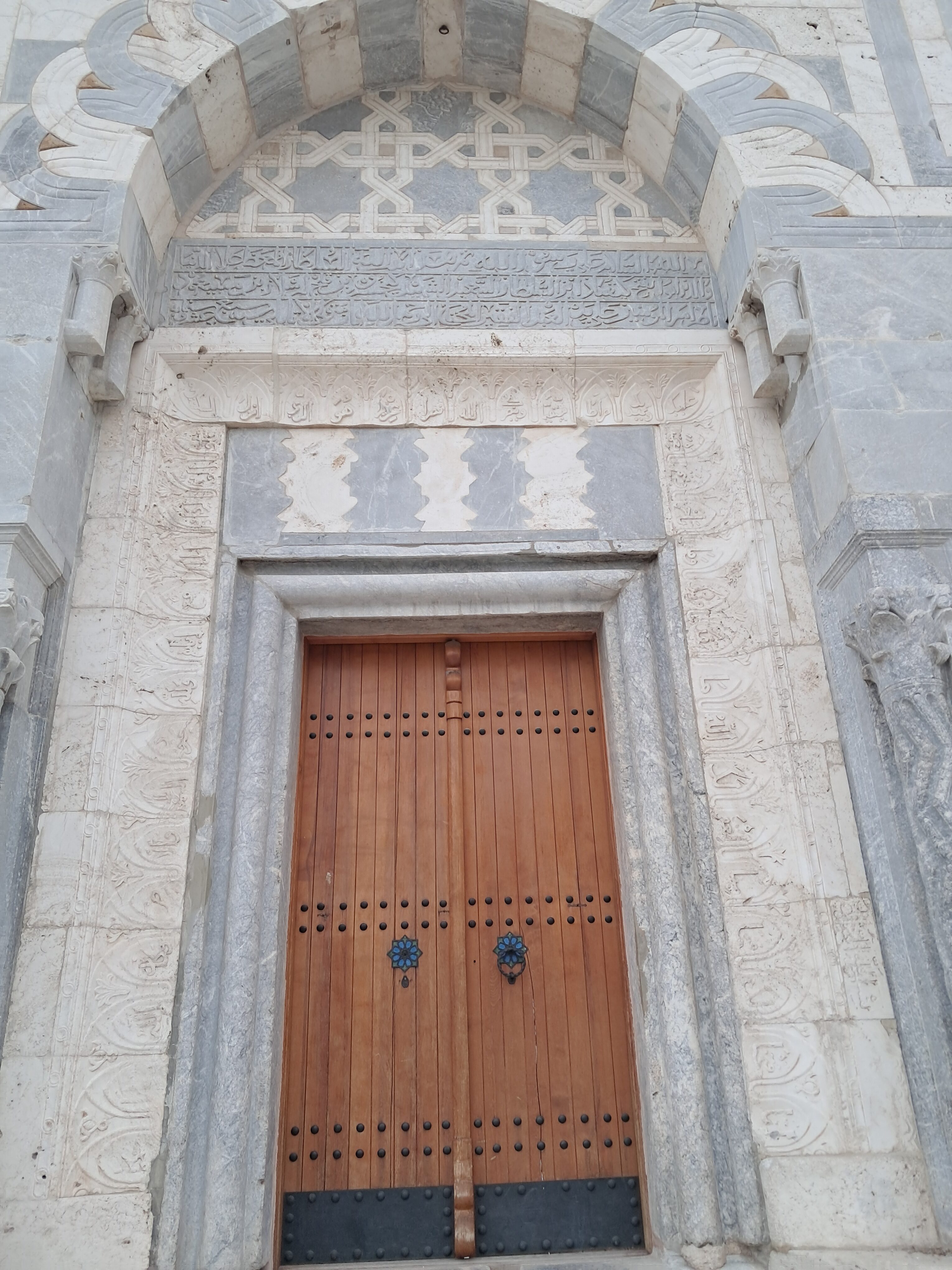
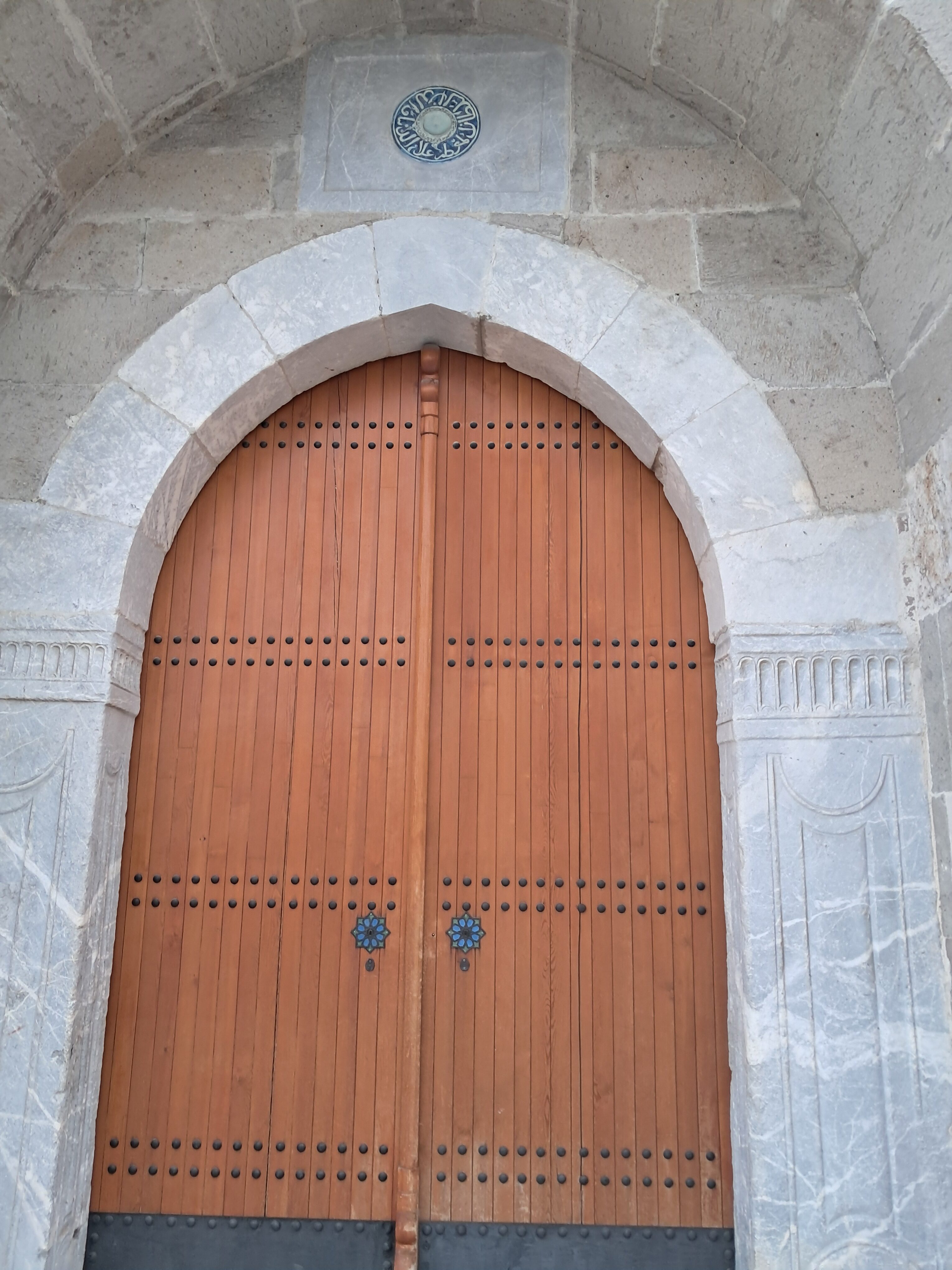
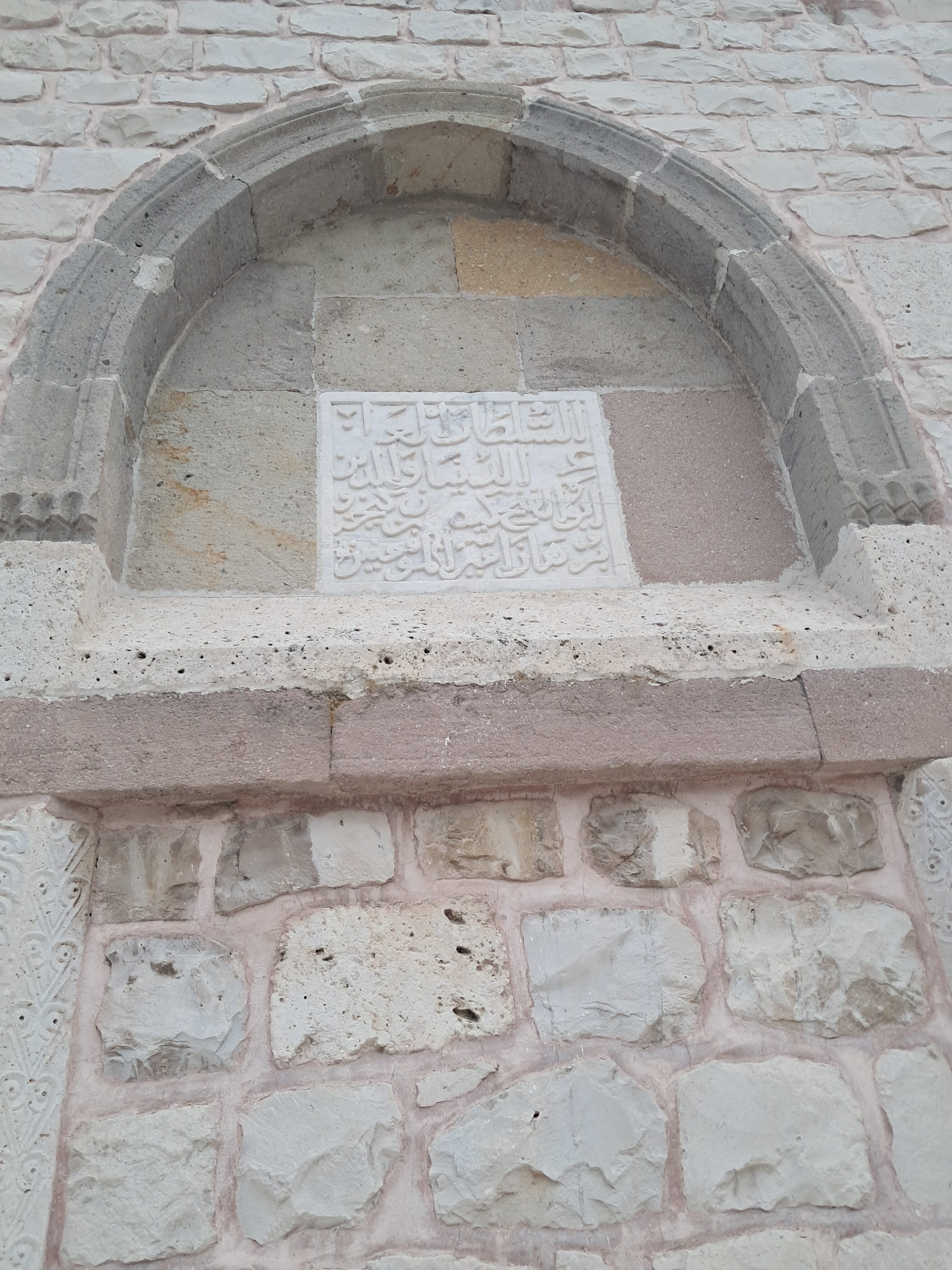
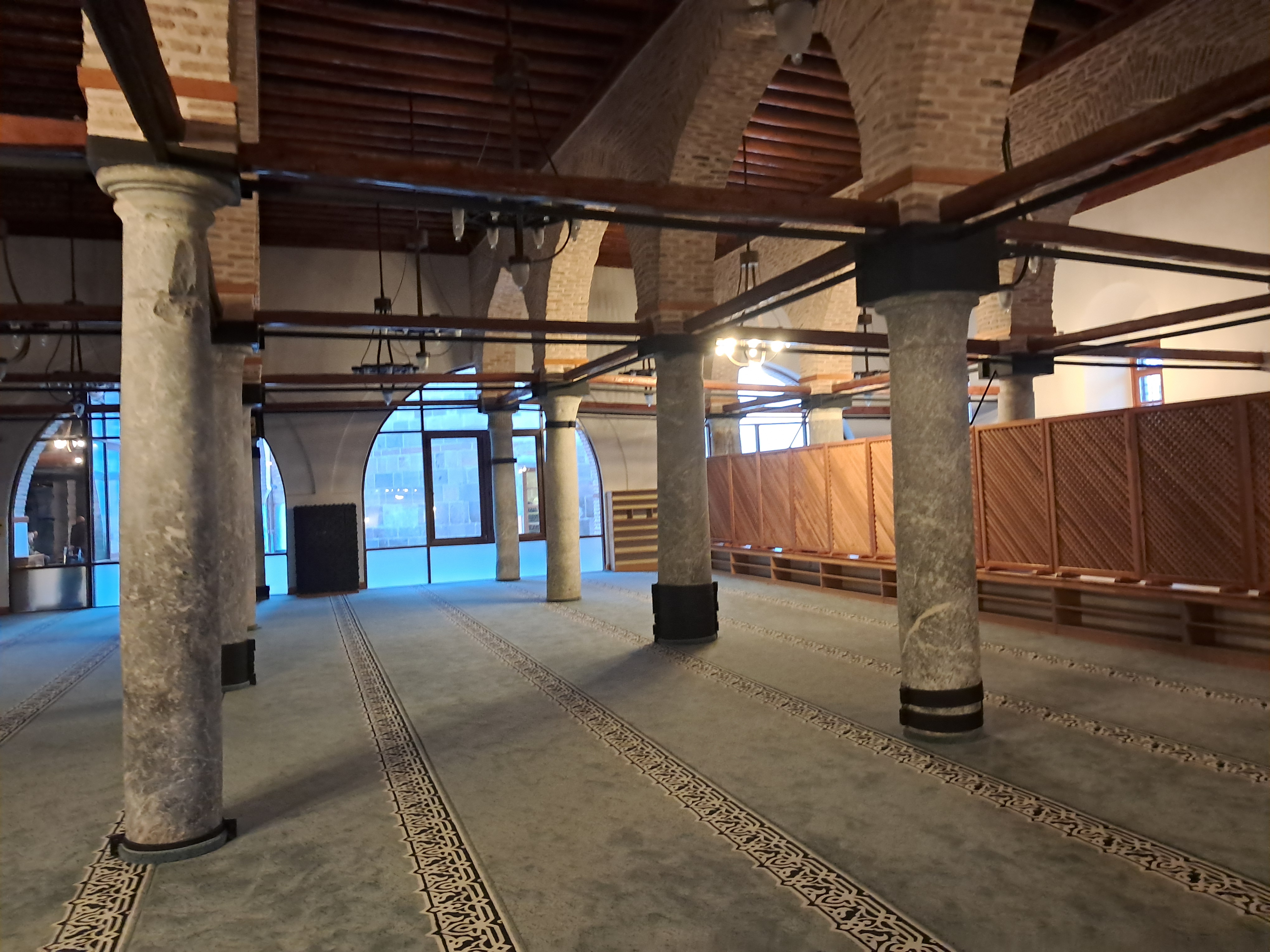
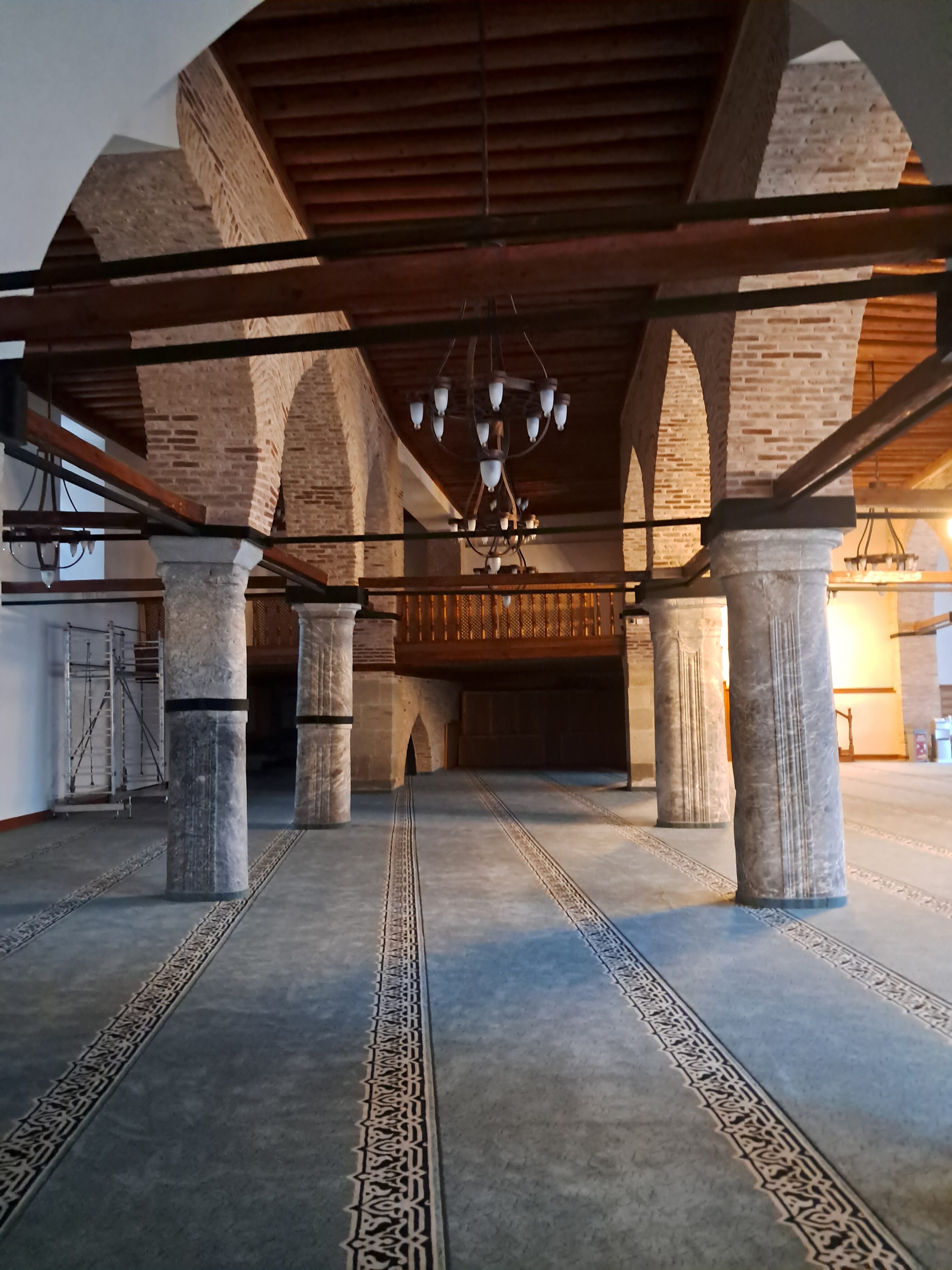
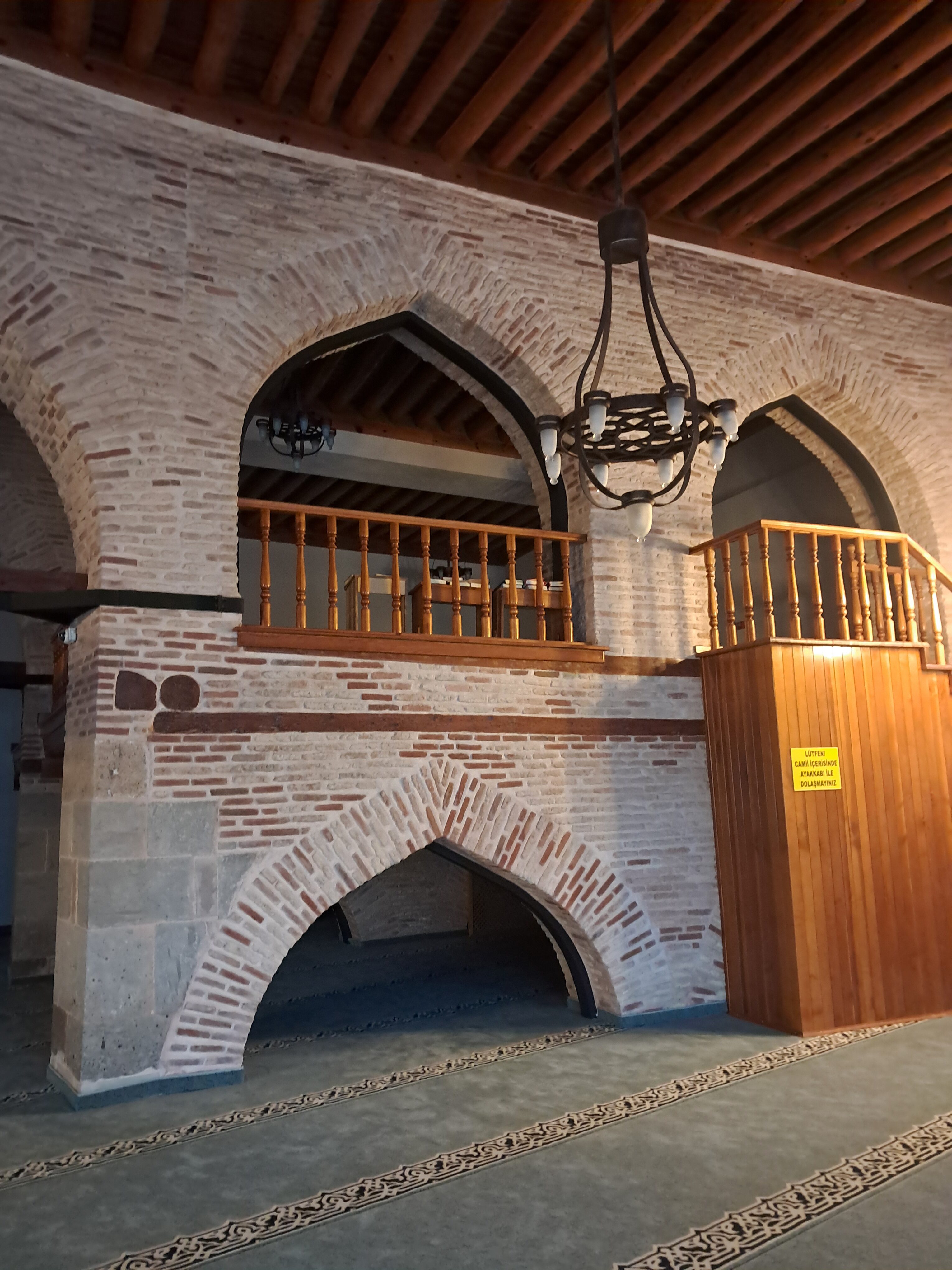
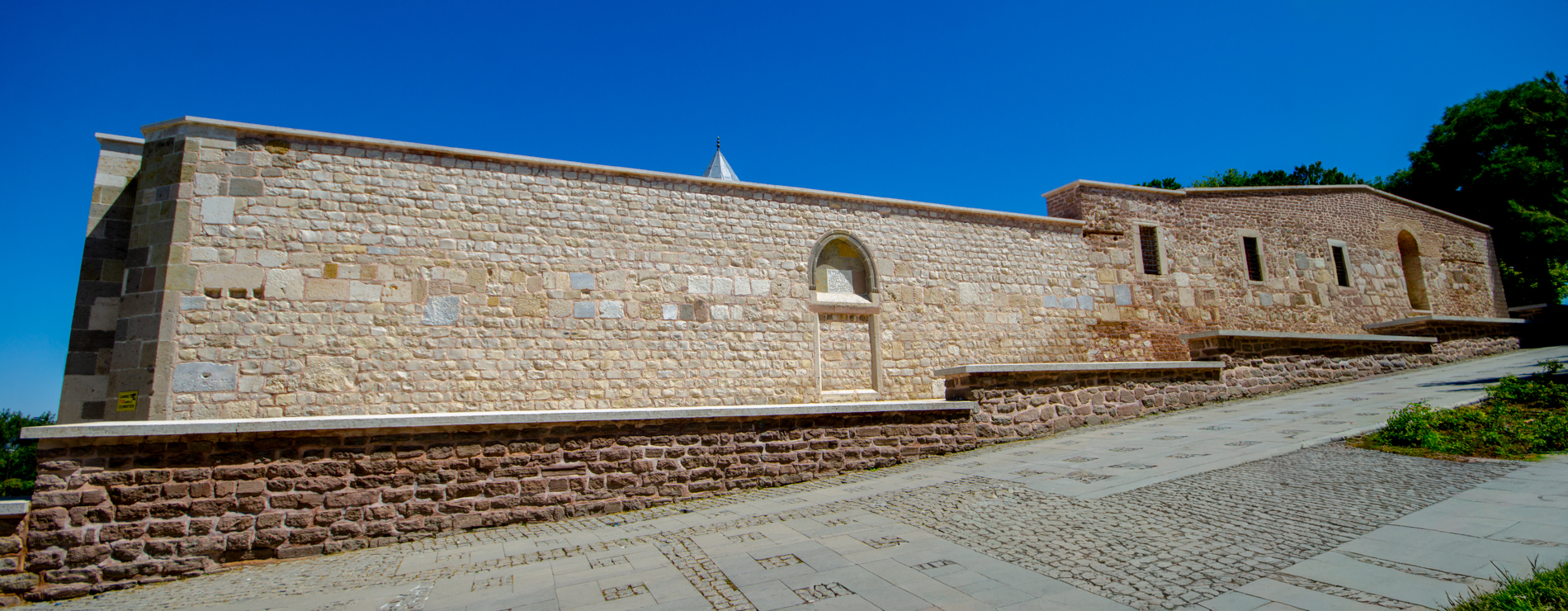
İnşasına I.Mesud’un son zamanlarında 1155’de başlanan yapı II.Kılıç Arslan, I.İzzeddin Keykavus ve I.Alâeddin Keykubad dönemlerinde yapılan ekleme ve düzenlemelerle tamamlanmıştır. I.İzzeddin Keykavus ve I.Alâeddin Keykubad dönemi inşaatlarının mimarı Şamlı Havlân oğlu Muhammed’dir.
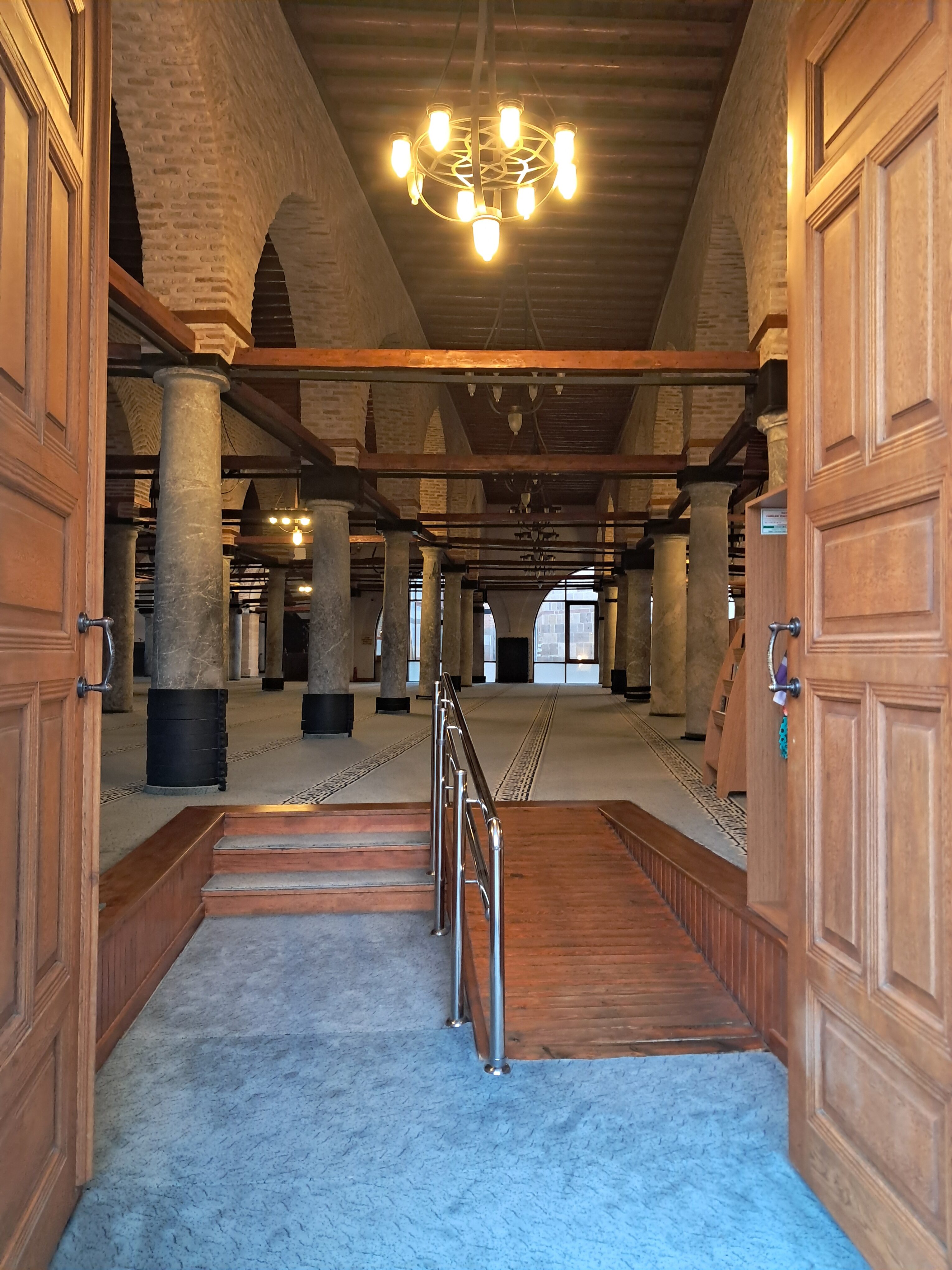
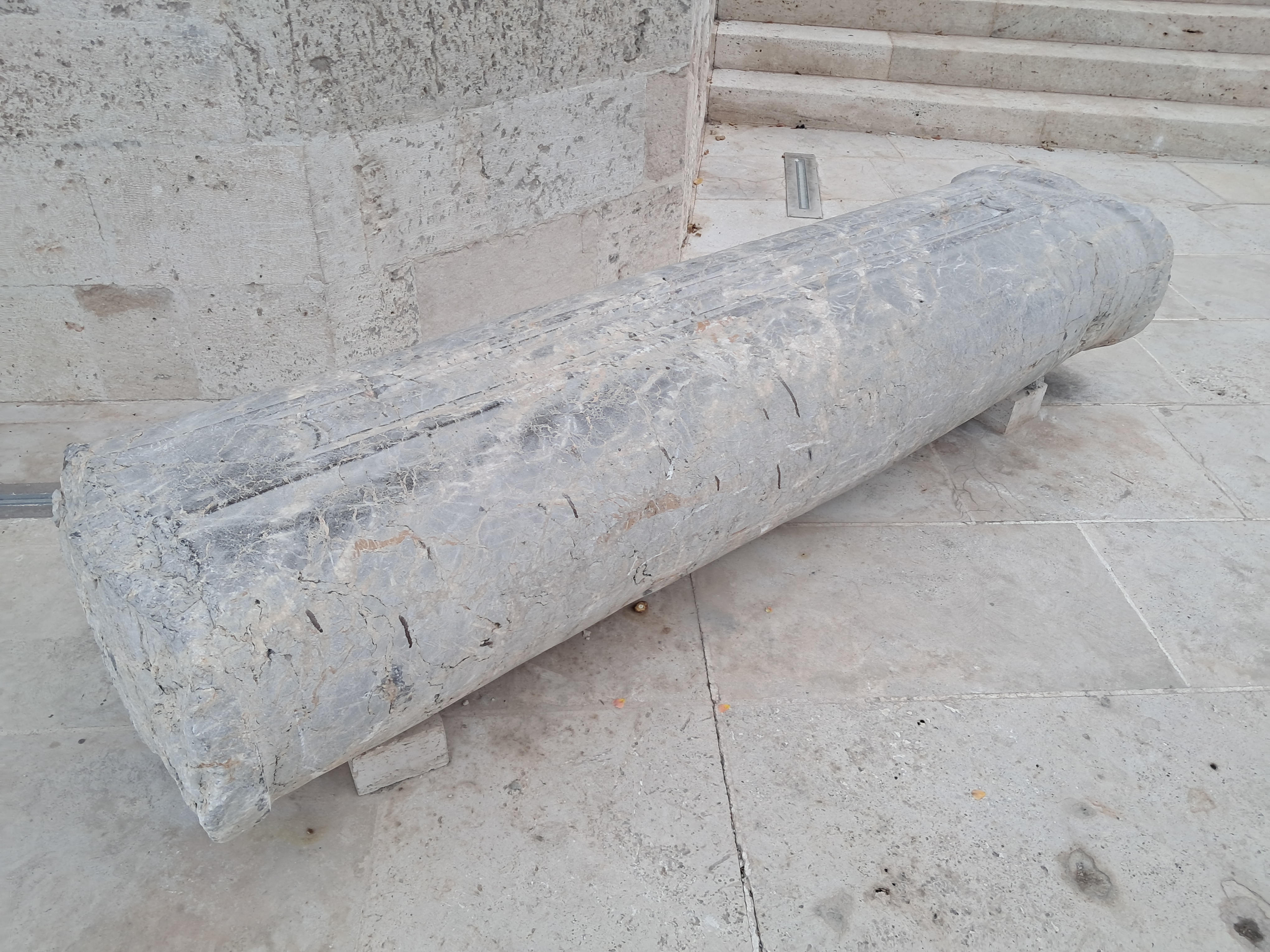
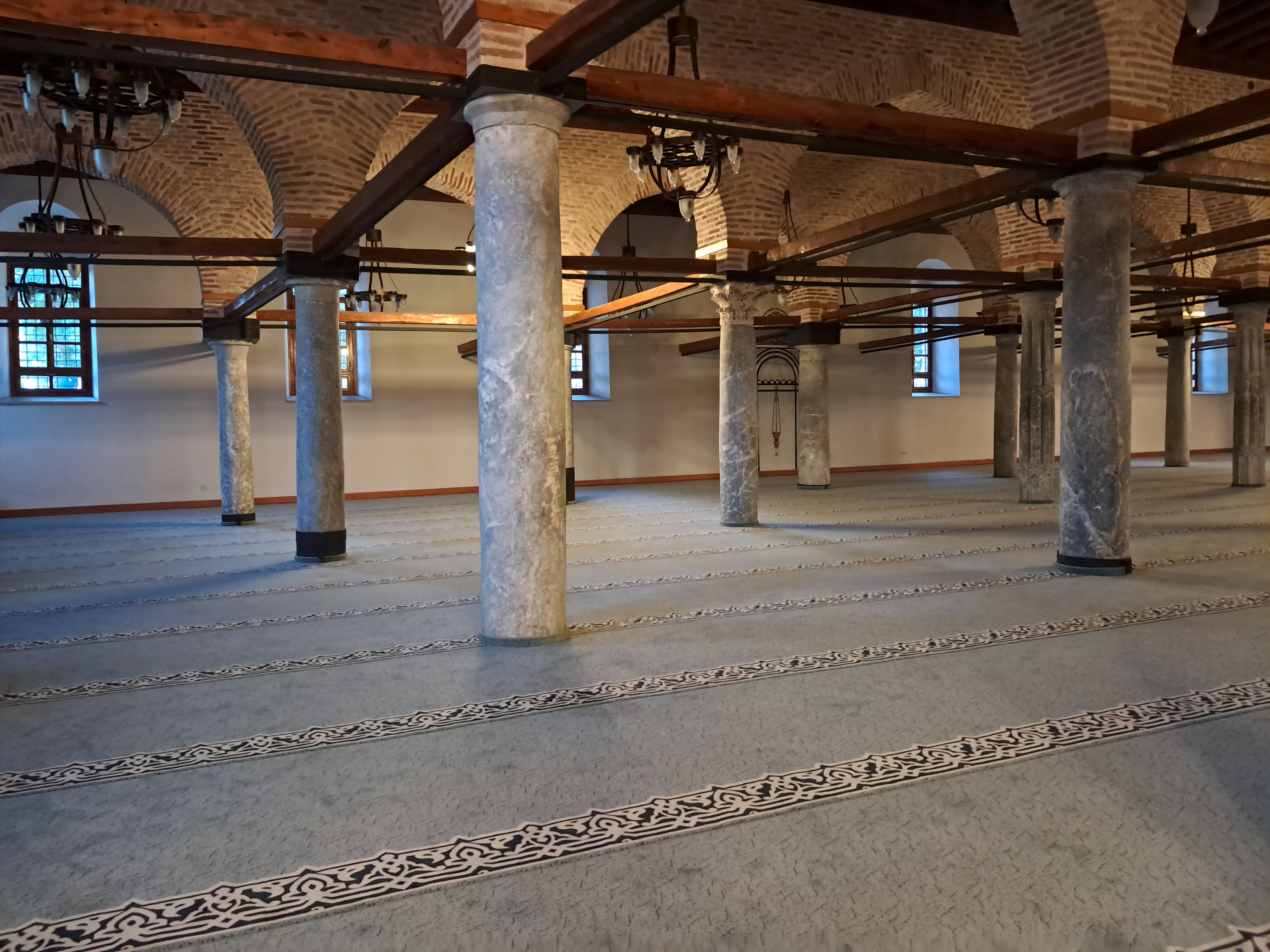
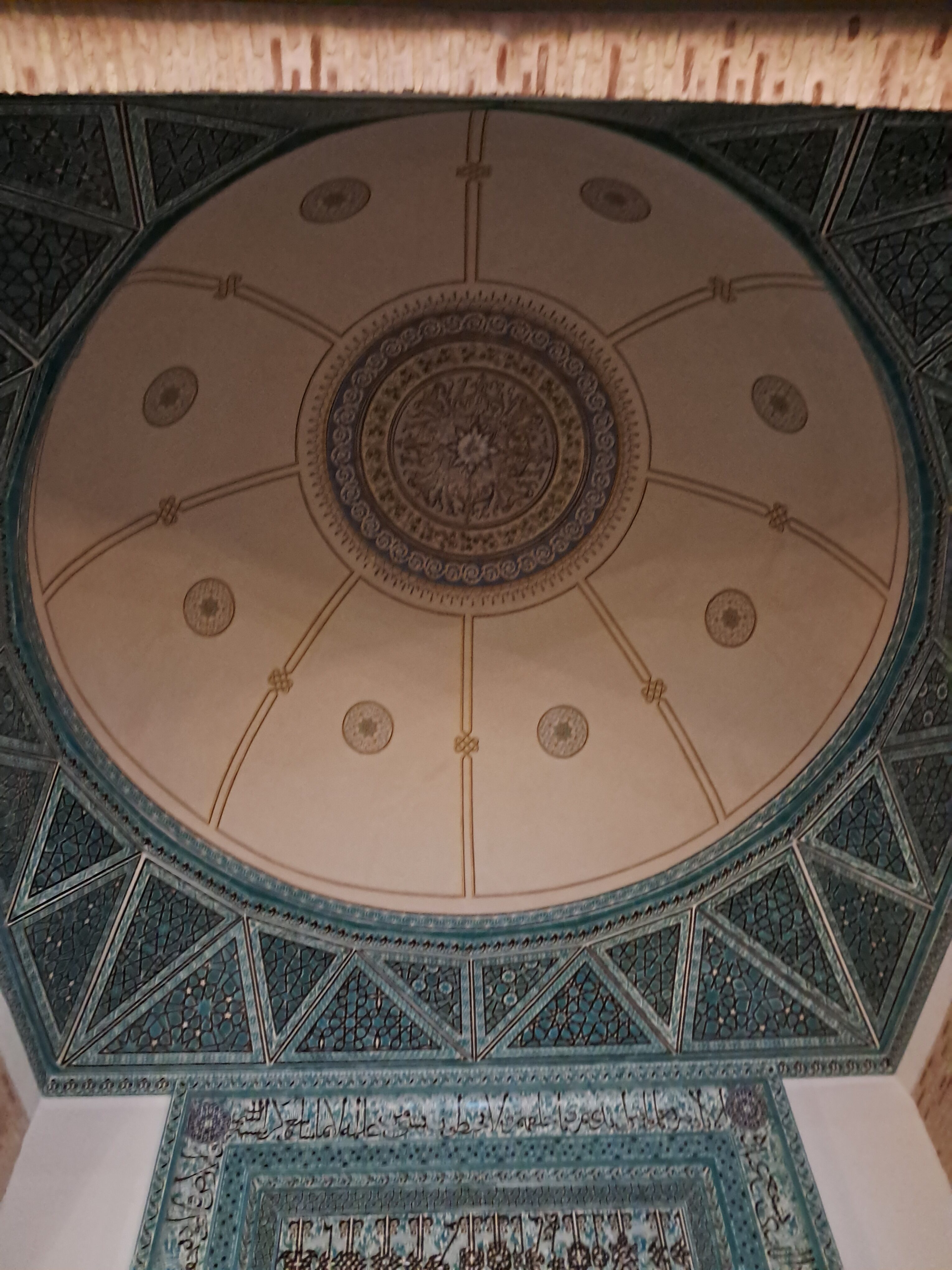
Üç farklı bölümden oluşan cami mekânının üçgen kuşak geçişli mihrap önü kubbeli orta bölümünün doğusunda devşirme sütunları birbirine bağlayan tuğla örgülü sivri kemerle taşınan düz tavanlı mihraba paralel yedi, batısında mihraba paralel beş sahın bulunur. Mihrabı çini mozaik
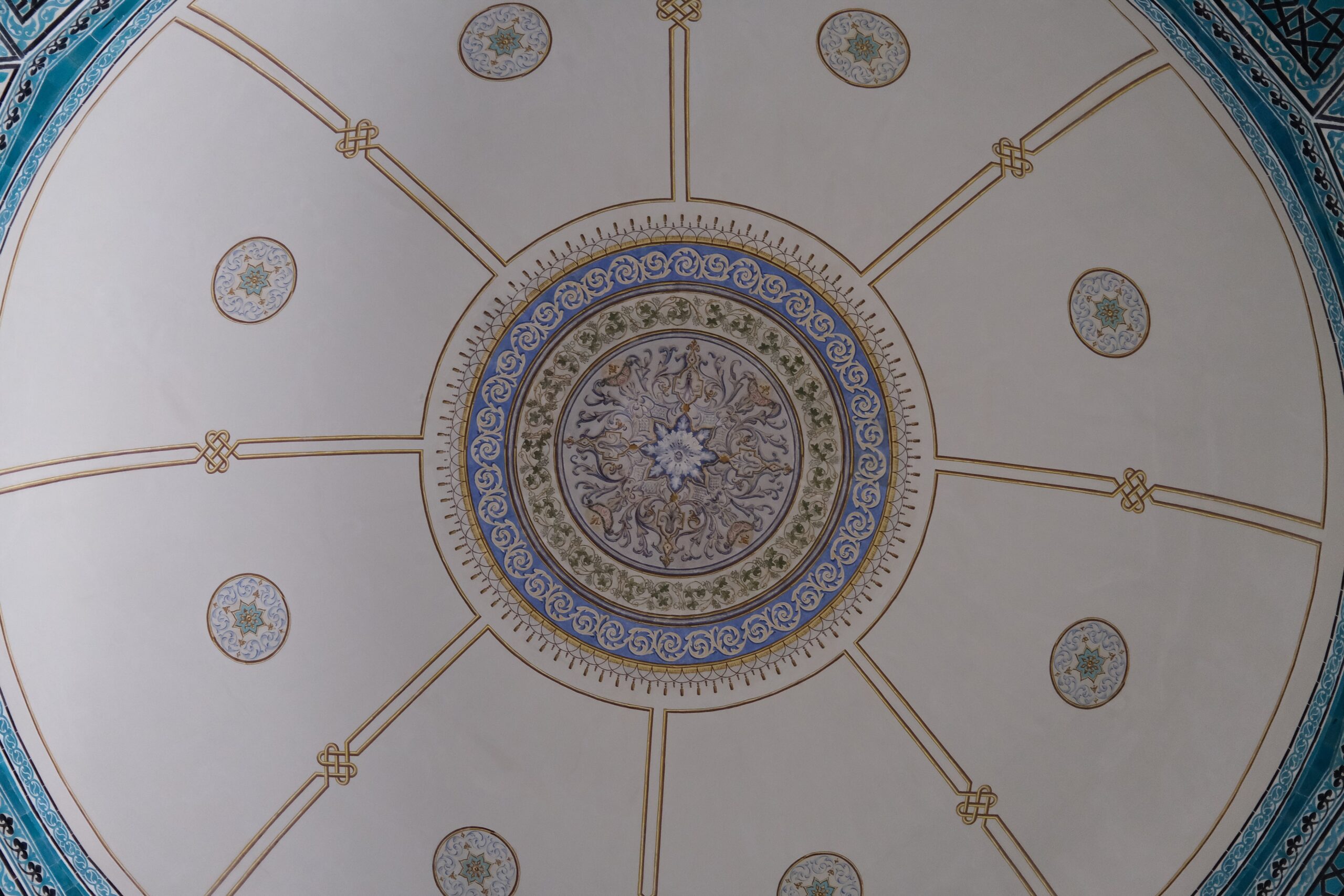
tekniğinde, minberi gerçek kündekâri tekniğinde yapılmıştır. Mihrap önü kubbesinin yüzeyi ve üçgen kuşağı çini mozaik tekniğinde bezenmiştir.
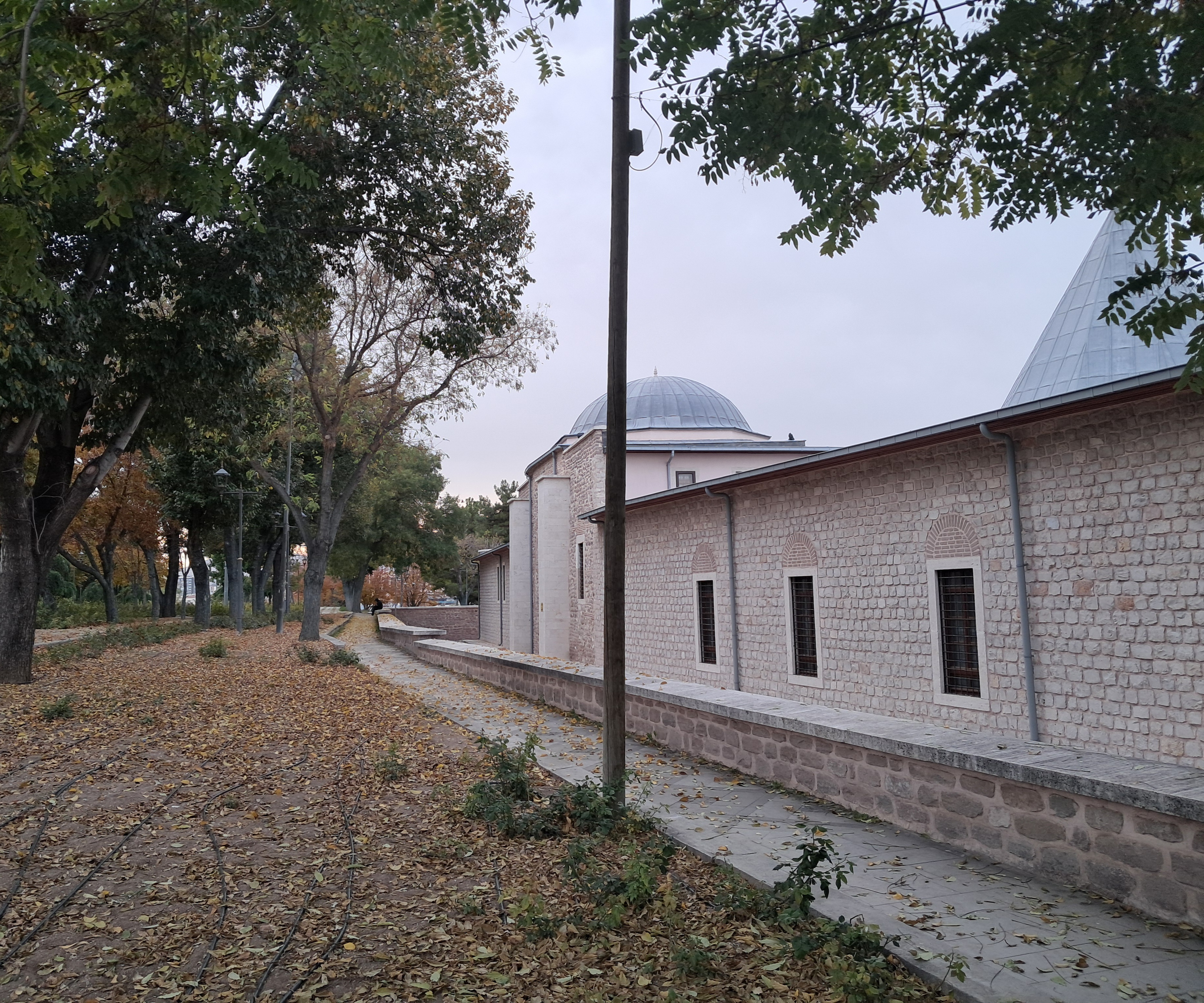
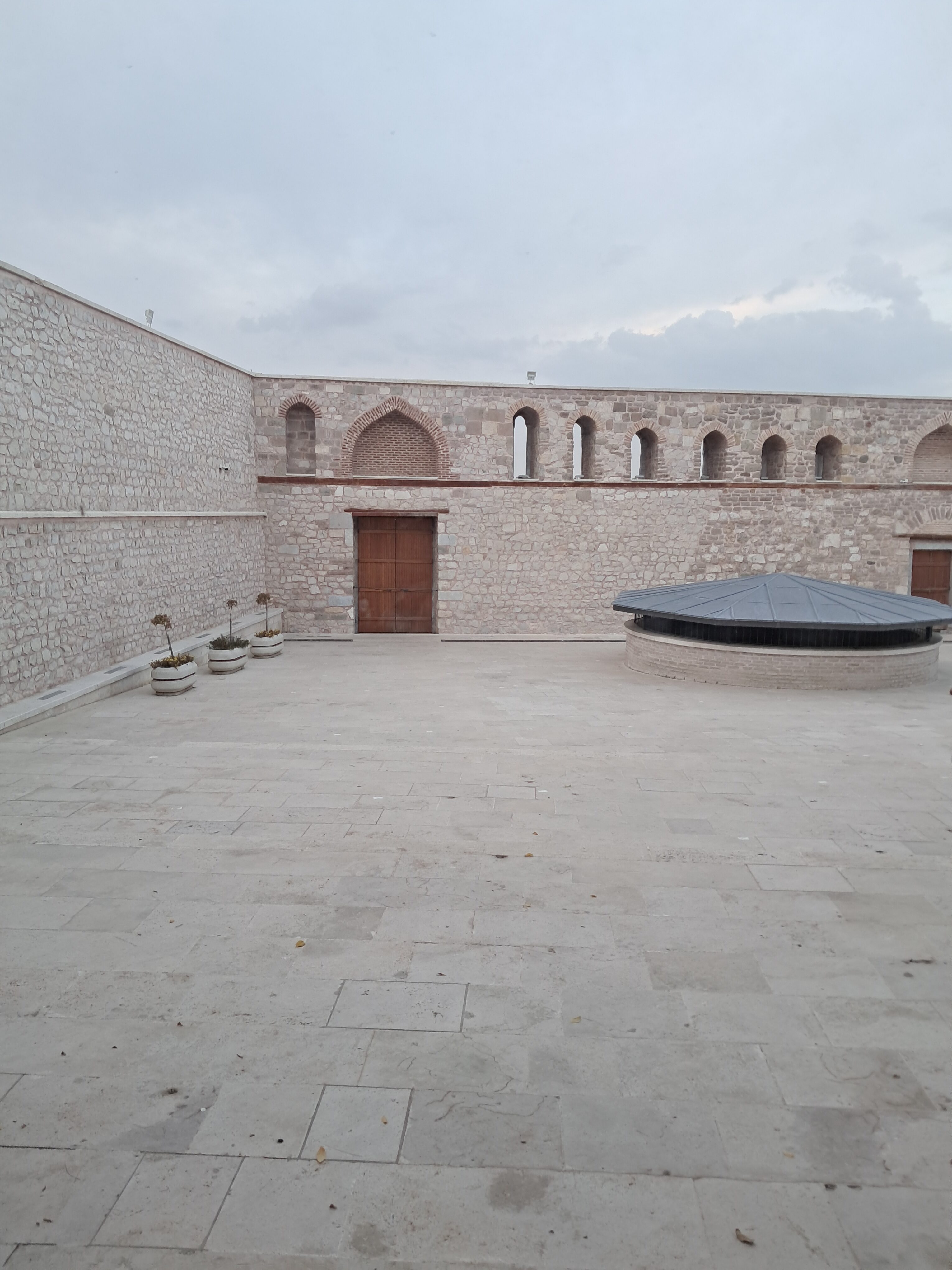
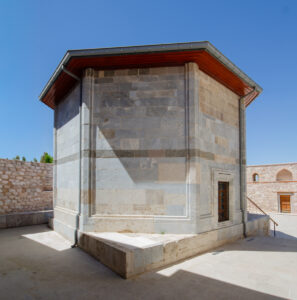
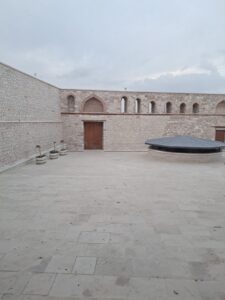
Yapının çini işlerinin sanatkârı Kerimüddin Erdişah’dır. Avlusunda Selçuklu Sultanlarının sandukalarının bulunduğu II.Kılıç Arslan Türbesi ile yarım bırakılmış I. İzzeddin Keykavus Türbesi yer almaktadır