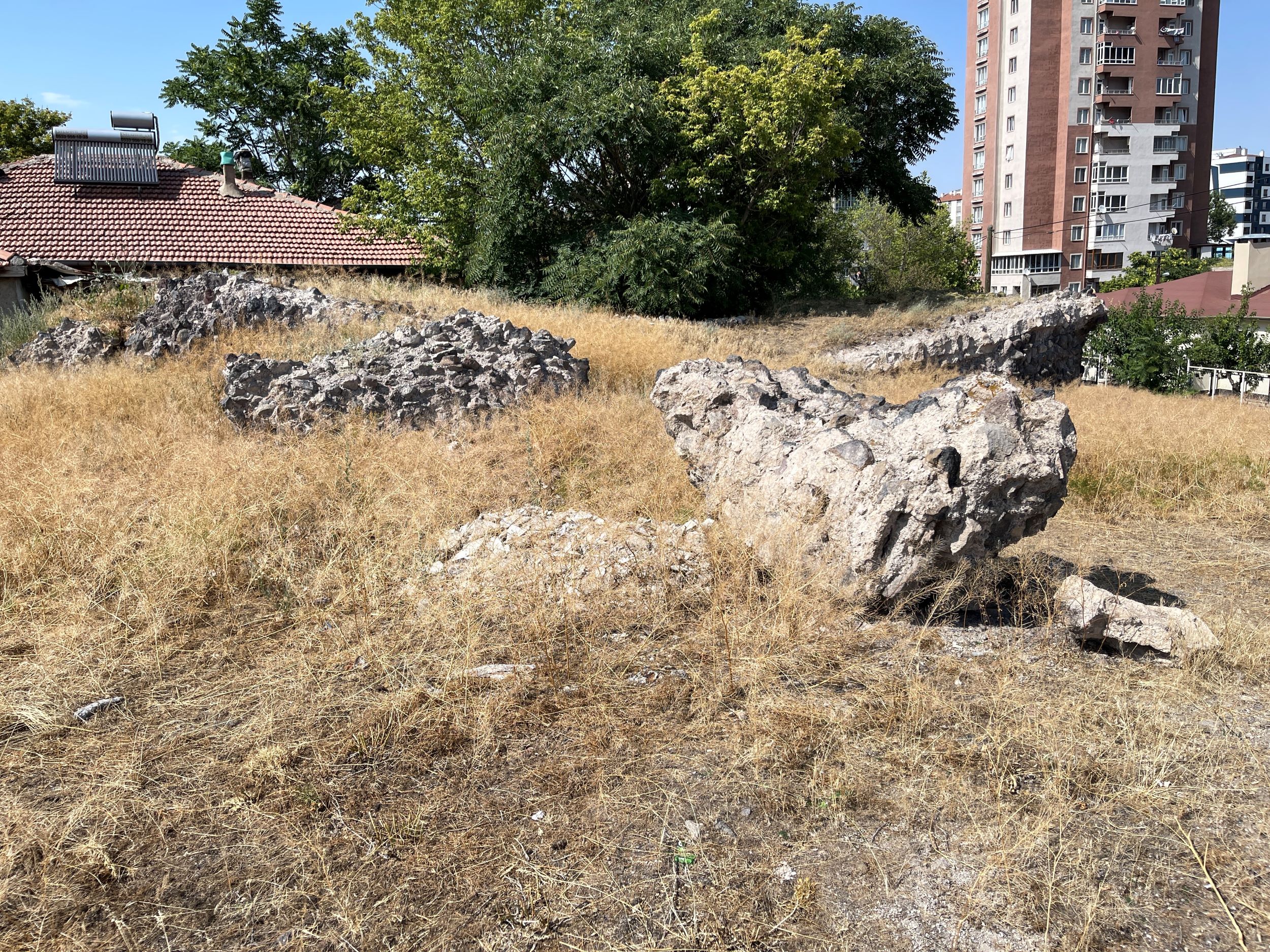
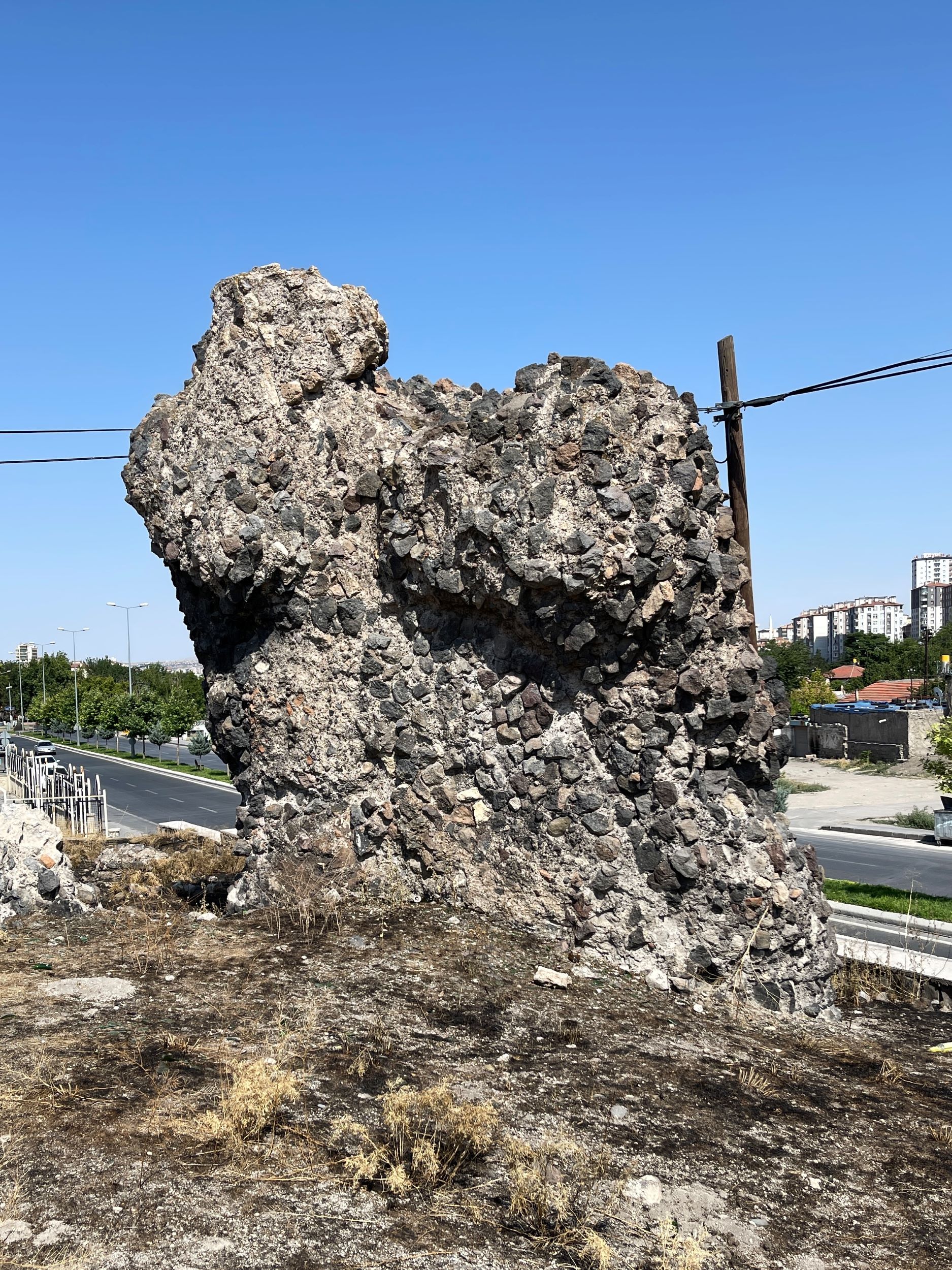
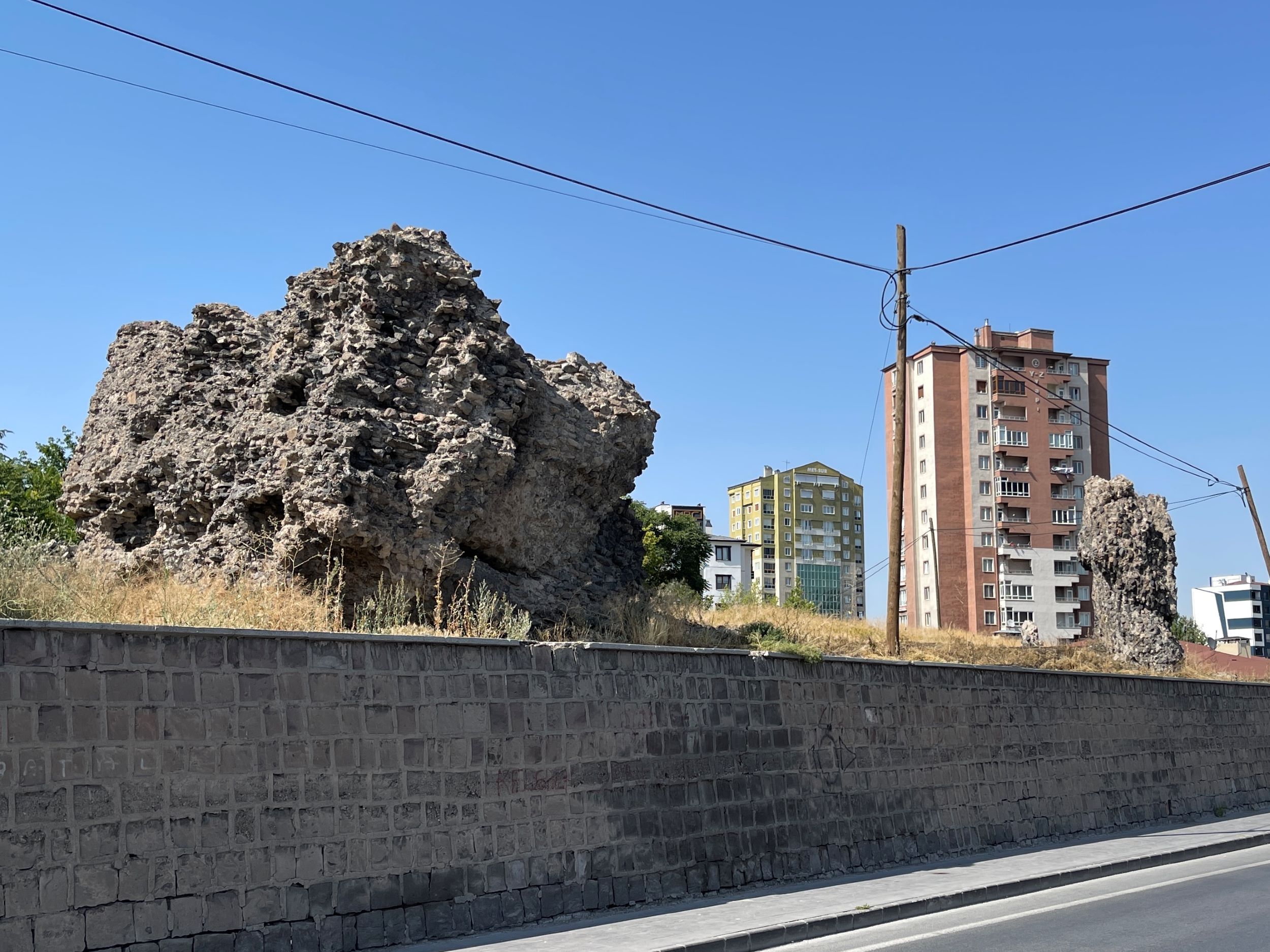
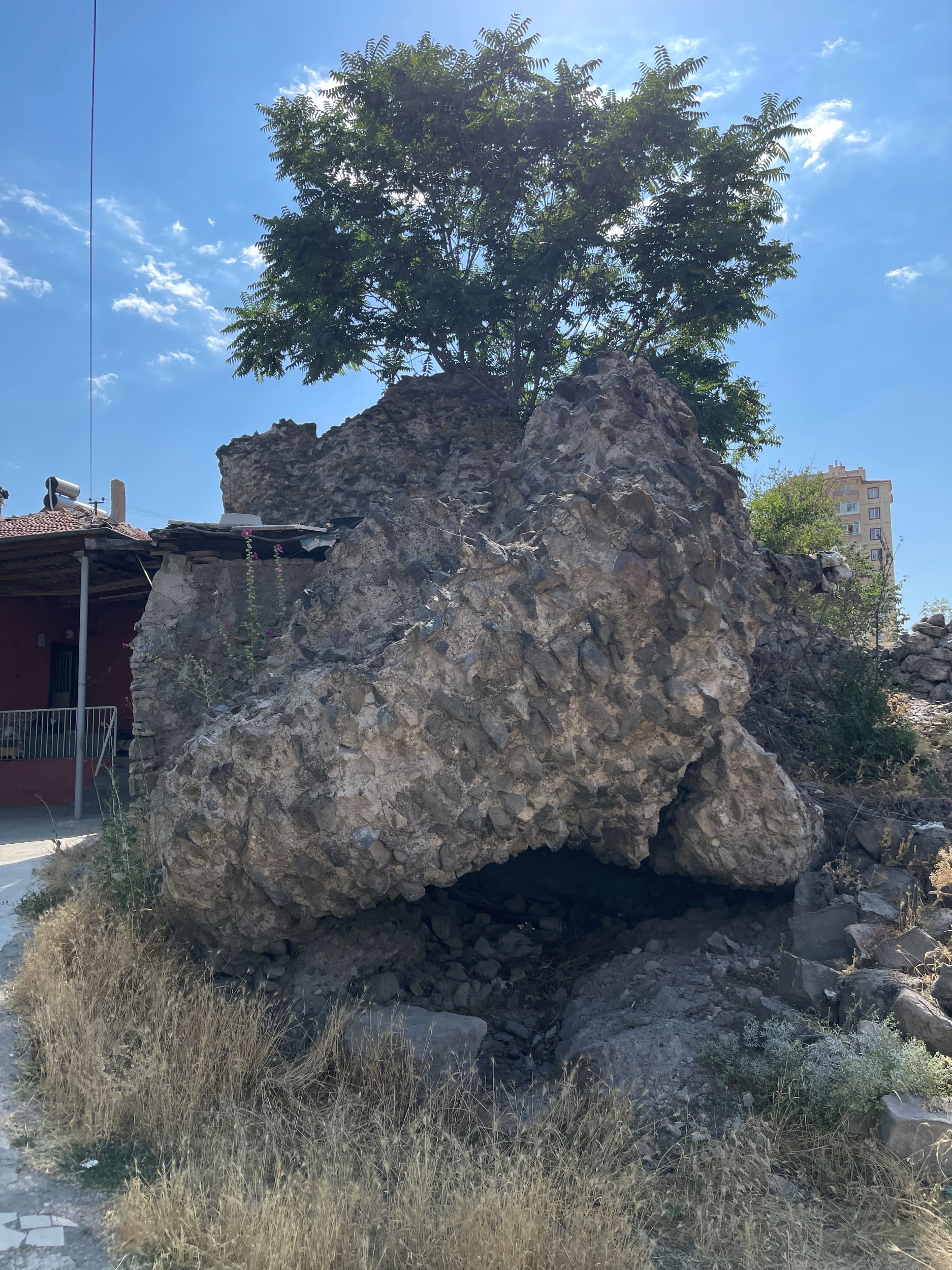
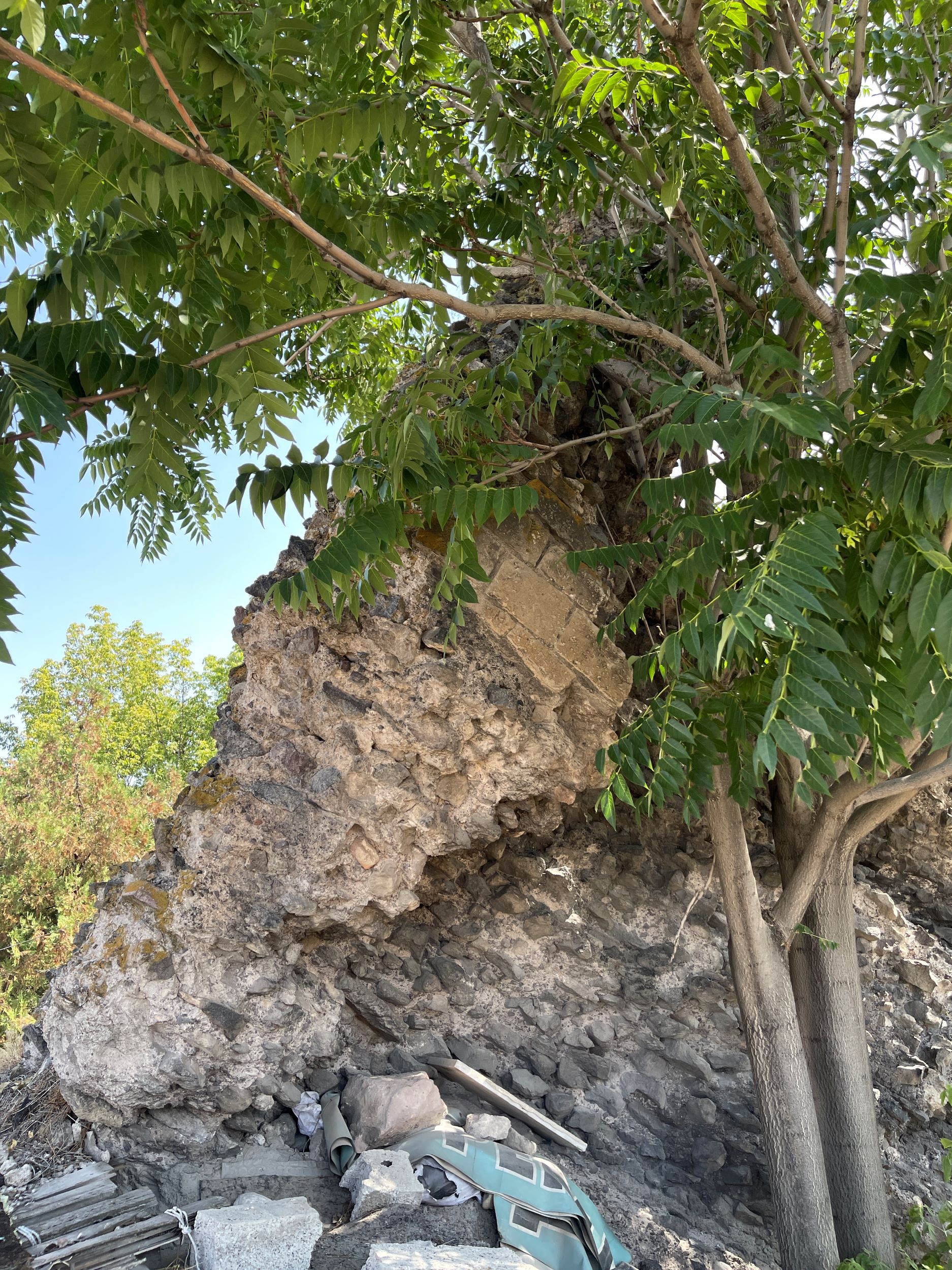
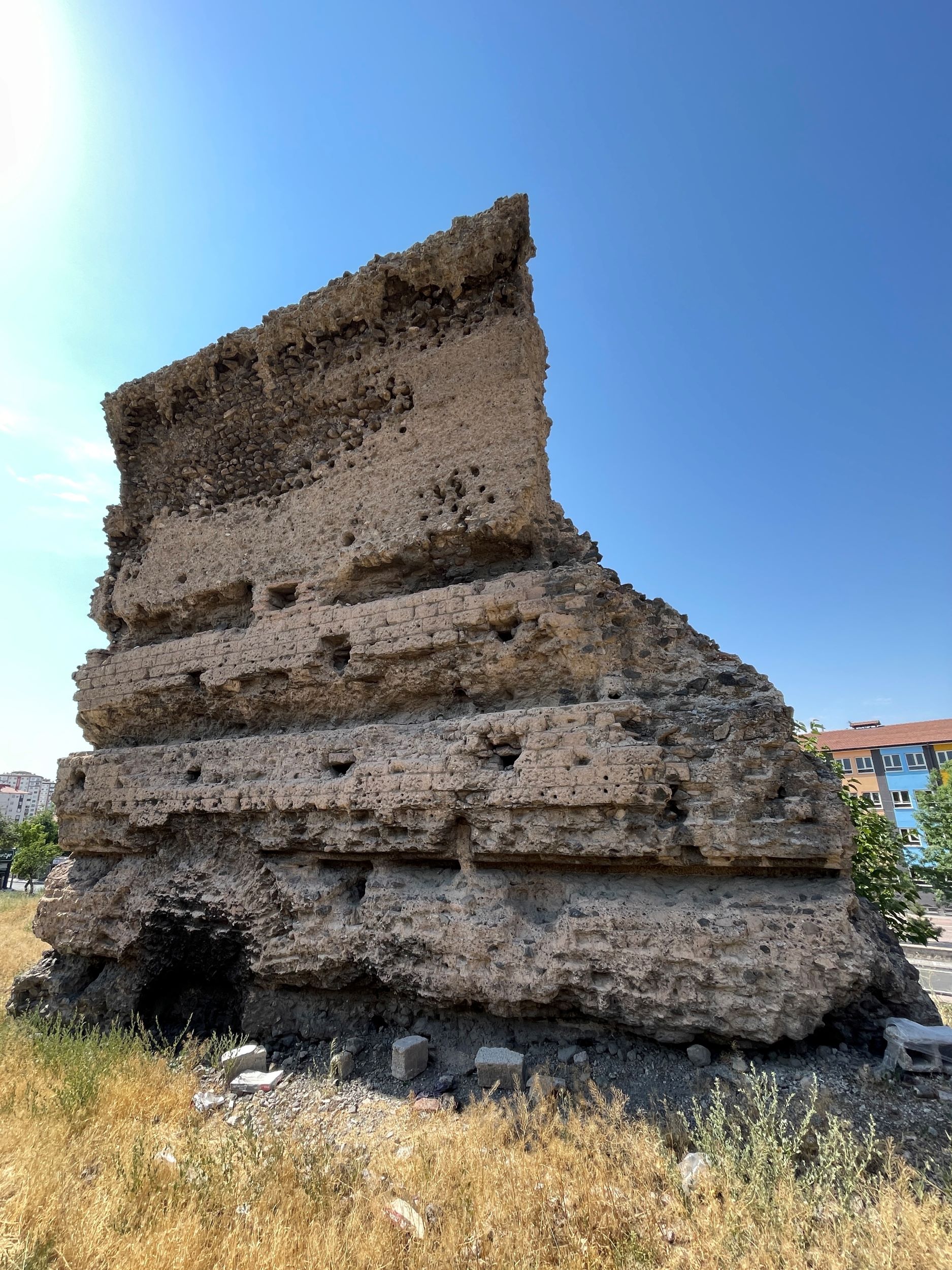
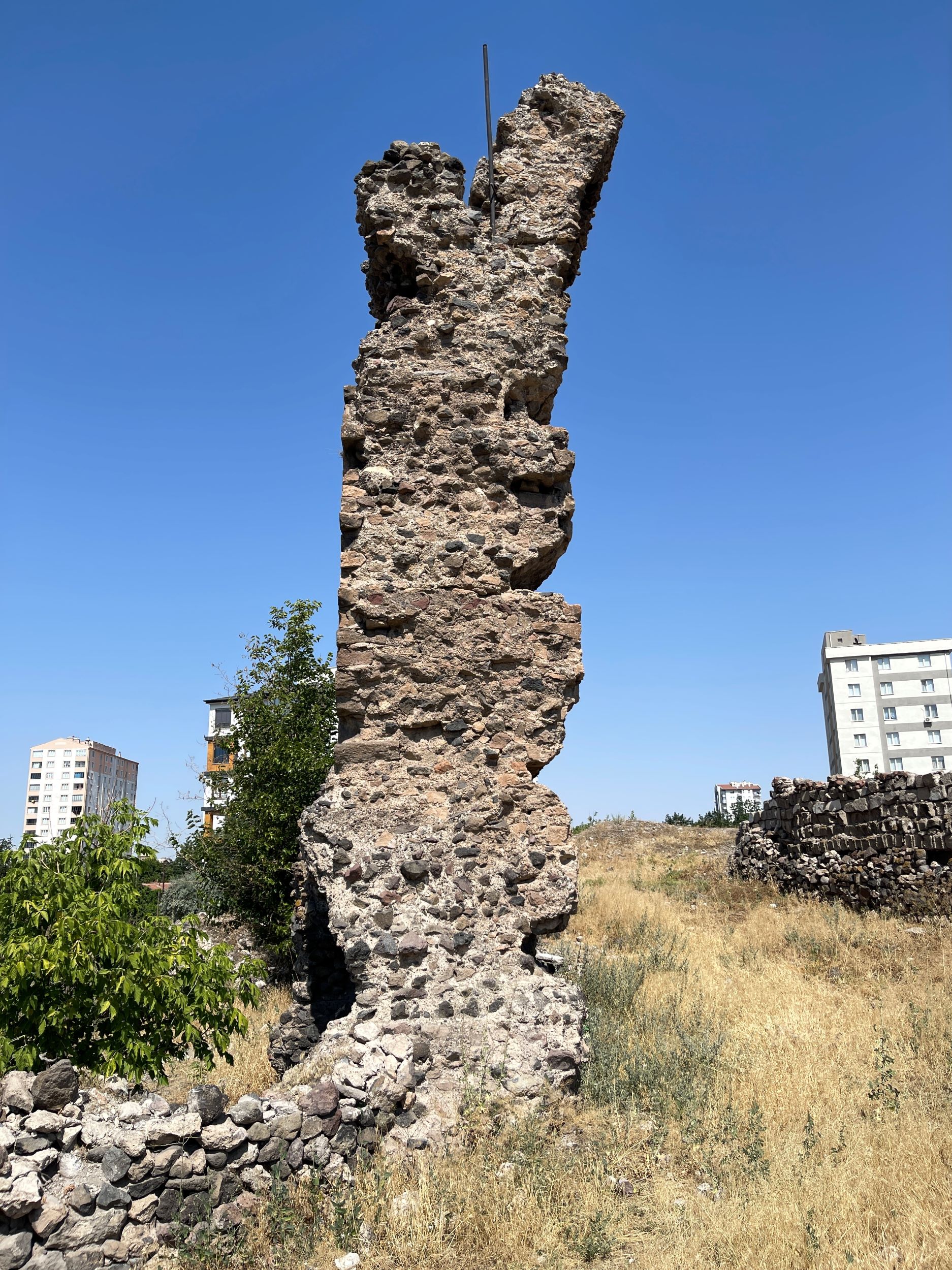
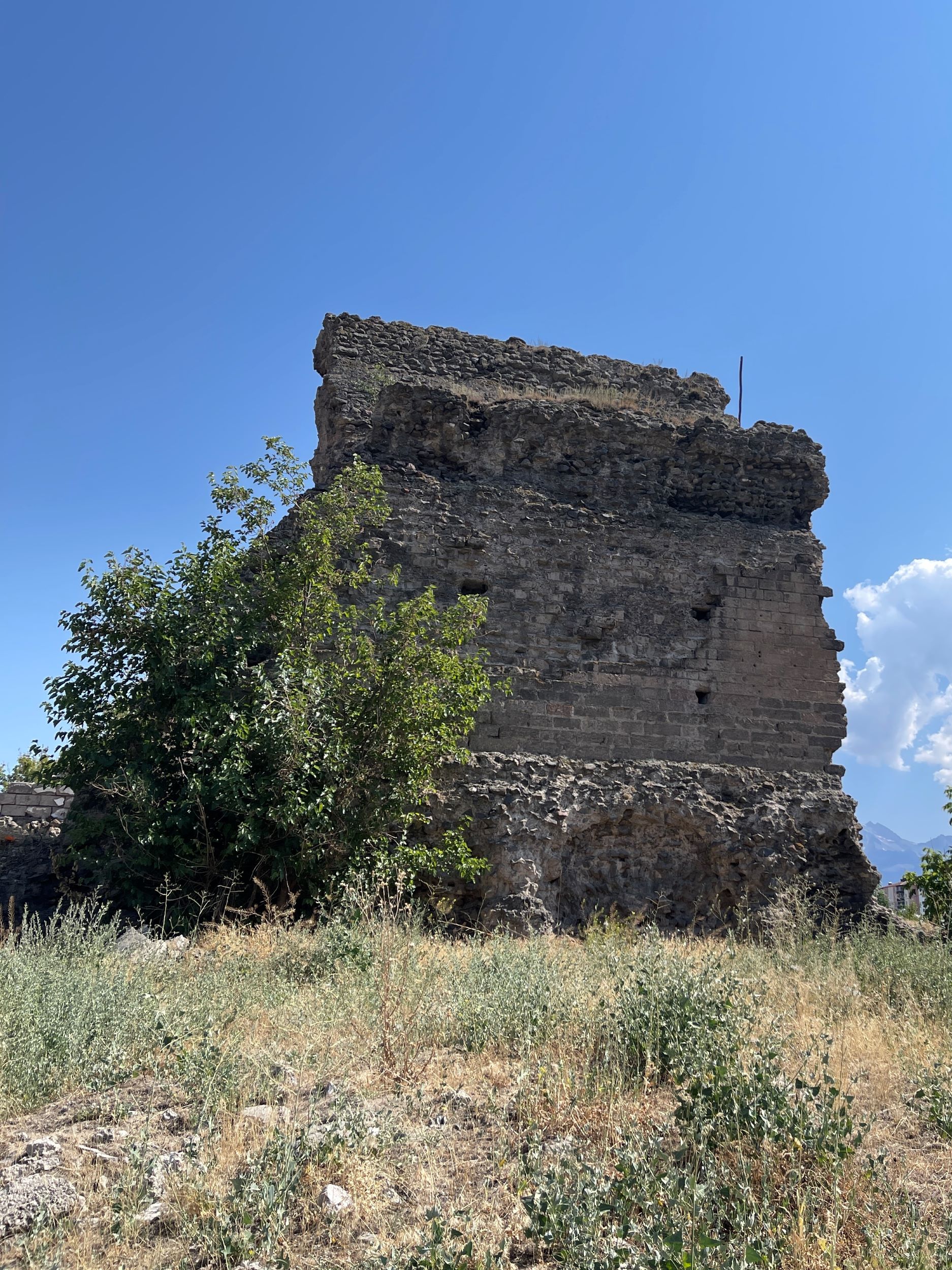
It seems highly likely that these bathhouse ruins are part of the Basileias Complex, which was commissioned by Basil the Great of Kayseri between approximately 372 and 379. However, in order to assess the structure with certainty, it must be examined through archaeological excavations, and its surroundings must be fully uncovered.
Water supply elements characteristic of the period, such as clay pipes and lead pipes, have also been identified inside the bathhouse. Indeed, during the restoration of the Battal Mosque in 1971, the original lead pipes that supplied water to the bathhouse—extending from the spring to the structure—were uncovered, and some of them were transferred to the Kayseri Museum.
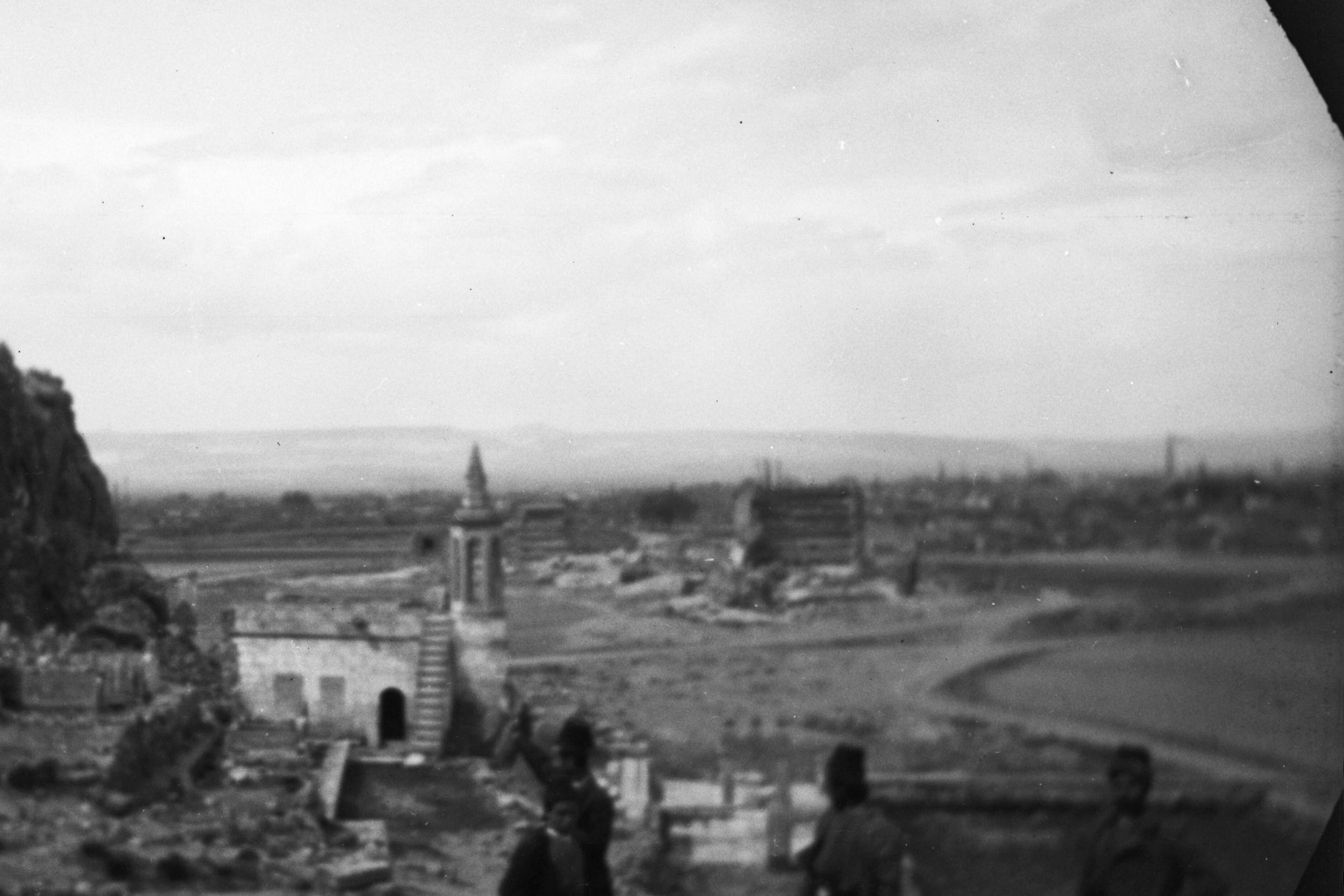
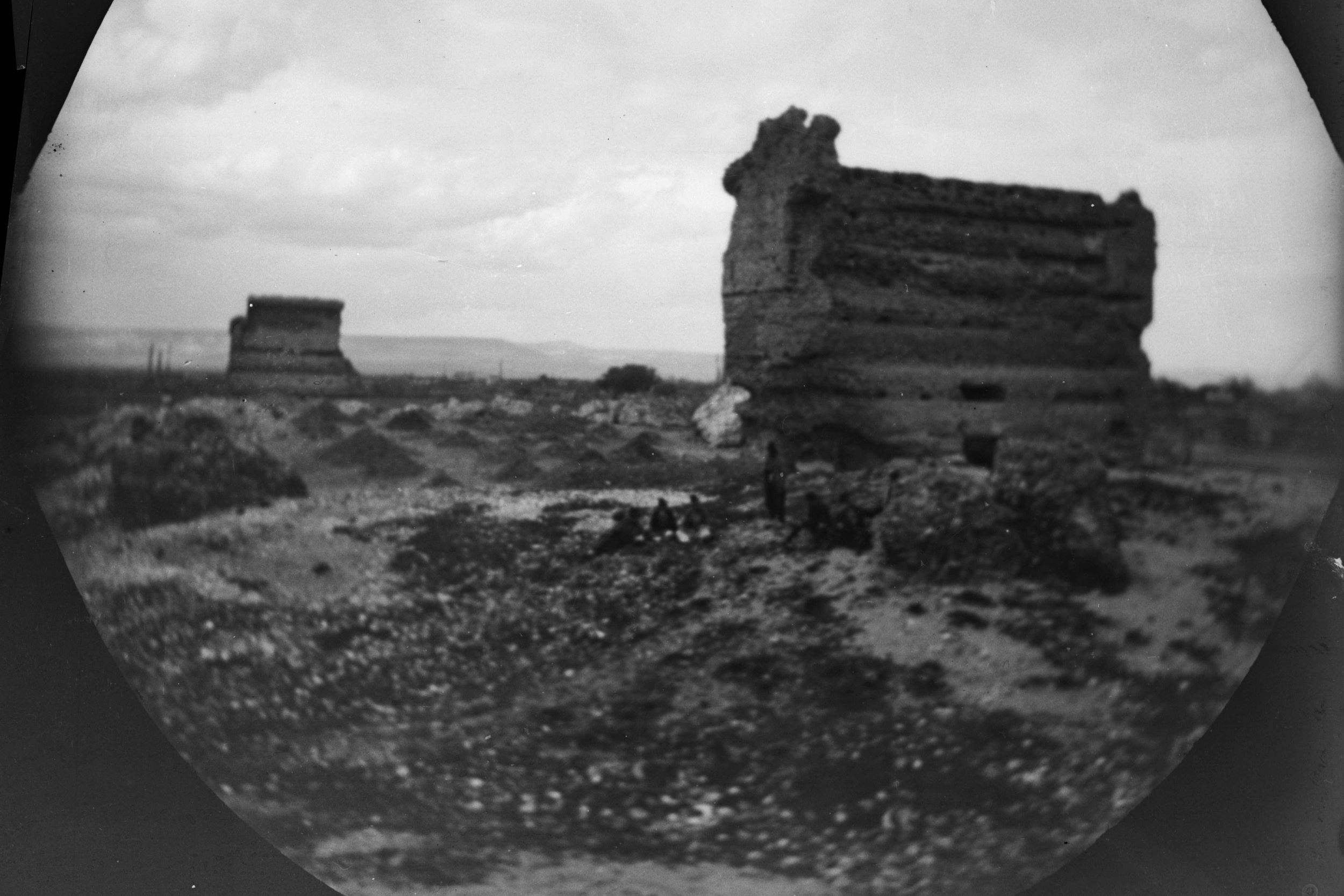
Today, the remains of the structure have largely survived in the form of rubble and mortar fillings. Over time, the surrounding area has been occupied by shanties and public buildings; furthermore, connected sections of the structure were destroyed during the construction of the asphalt road passing south of the ruins. Since no archaeological excavations have yet been conducted on the site, details regarding the structure’s exact date and function can only be clarified through future scientific research. On April 22, 1891, the traveler William Lewis Sachtleben, who visited Kayseri, photographed the bath ruins and referred to the site in his notes as “the ruins of a Roman bath,” recording the following statement: “The ruins of an ancient Roman bathhouse west of Kayseri.” In the photograph he took, it can be seen that the bathhouse’s northern wall—which has survived to the present day—and another wall to the south are still standing, that there are numerous fragments of ruins in the vicinity, and that the surrounding area is an open space. This structure is also mentioned in Evliya Çelebi’s *Seyahatname* and is known among the local people as the “Belinas Hekim Bathhouse,” famous for its magical warmth.
The Basileias Complex must have been built by Basileios the Great of Kayseri, likely after land was allocated for the poor during Emperor Valens’s visit to Cappadocia in January 372, and before Basileios’s death on January 1, 379. The primary reasons behind this initiative were the prolonged drought of the 360s and 370s and the severe famine that followed in 368–369.
The Basileias Complex served as a multifaceted social center, housing structures that met basic physical needs—such as shelter, food, and health care—alongside spiritual and community-related elements like a church and a monastery. The structure represents an institutionalized example of the early Christian social infrastructure model, which organized care for the poor and health services under episcopal authority. The complex included residential areas for various social groups, a guesthouse (xenodochion) for travelers, at least one church, an adjacent monastery, storage rooms and granaries, kitchens, bathhouses, workshops, stables, and a leper colony (leprokomeion) for the care of lepers.
In his work *Orationes 43*, Gregory of Nenizili makes the following statement about the complex: “Go a little way outside the city and look at the new city.” The phrase “new city” here can be interpreted in two different ways. The first possibility is that this phrase directly refers to the complex itself. The size and institutional diversity of the building complex may have led it to be perceived as an independent urban unit. In this case, the “city” must refer either to the site of today’s Kayseri Inner Castle or to the Old City, located on the hills and encompassing the Beştepeler, Battalgazi, and Tontar areas. The complex, therefore, must have been situated outside one of these settlement areas. The second possibility is that Gregor’s phrase “new city” refers to a new settlement area that emerged as a result of urban expansion. It is known that the Kayseri Inner Castle was built in 242 during the reign of Roman Emperor Gordian III. However, characterizing this date as “new” within the context of the 4th century is chronologically debatable. Therefore, it seems a more cautious interpretation to assume that the phrase “new city” refers to a new settlement area that emerged during the urban development process of the period, rather than to a specific defensive structure. In this scenario, it is likely that the complex was situated between the Old City and the subsequent area of urban development. When both interpretations are considered together, the area corresponding to today’s Caferbey Neighborhood and the area to its south aligns geographically with this description. The remarkably large remains of a Roman bathhouse, church ruins, and other archaeological finds in this region suggest a strong possibility that the area in question could be associated with the Basileias Complex. However, due to the limited nature of the available archaeological data, making a definitive attribution requires methodological caution.